





Designing for the Senses
How Multi-Sensory Interiors Shape Emotional Well-being

Habiba Shohayeb, Senior Interior Designer
Interior Design has traditionally been associated with visual aesthetics—colours, shapes, patterns, and spatial arrangement. However, in recent years, there’s been a growing recognition that truly exceptional interiors go beyond the visual and engage all five senses. This multi-sensory approach to design enhances emotional well-being, offering immersive experiences that deeply connect with individuals on a physical and psychological level.
Designing spaces that cater to sight, touch, sound, smell, and even taste has the potential to elevate how we interact with our environments, making them not only more liveable but also more meaningful. In luxury residential design, this approach transforms homes into sanctuaries that nurture body, mind, and soul.
The Power of Sight: Beyond Colour and Light
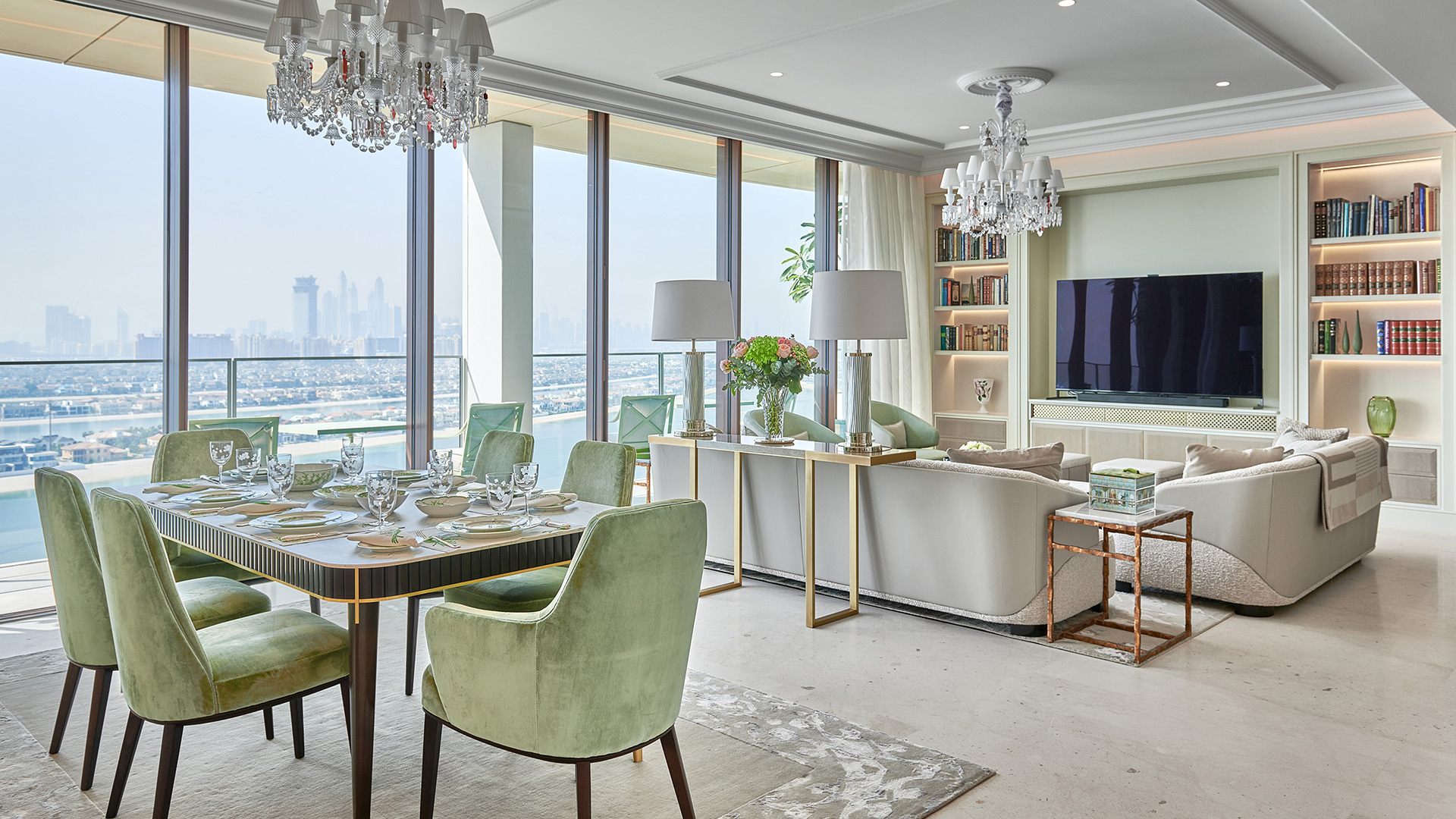
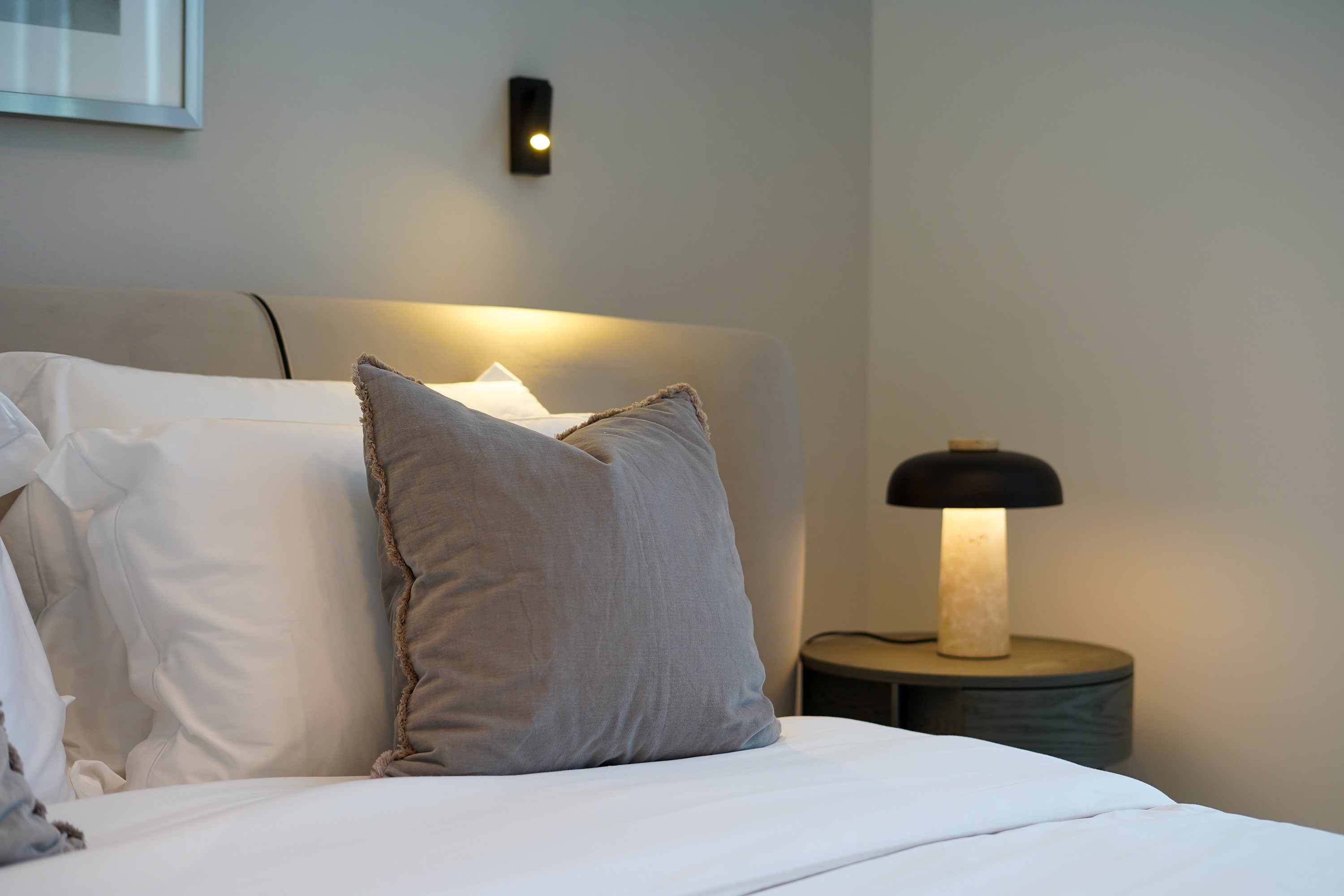
Sight remains the most obvious aspect of interior design, but when approached from a sensory perspective, it becomes more than just choosing the right colour palette or arrangement of furniture. It’s about how visual elements influence our emotions and state of mind. Soft, neutral tones like beiges and muted greens evoke calmness, while vibrant colours such as reds and yellows inspire energy and creativity.
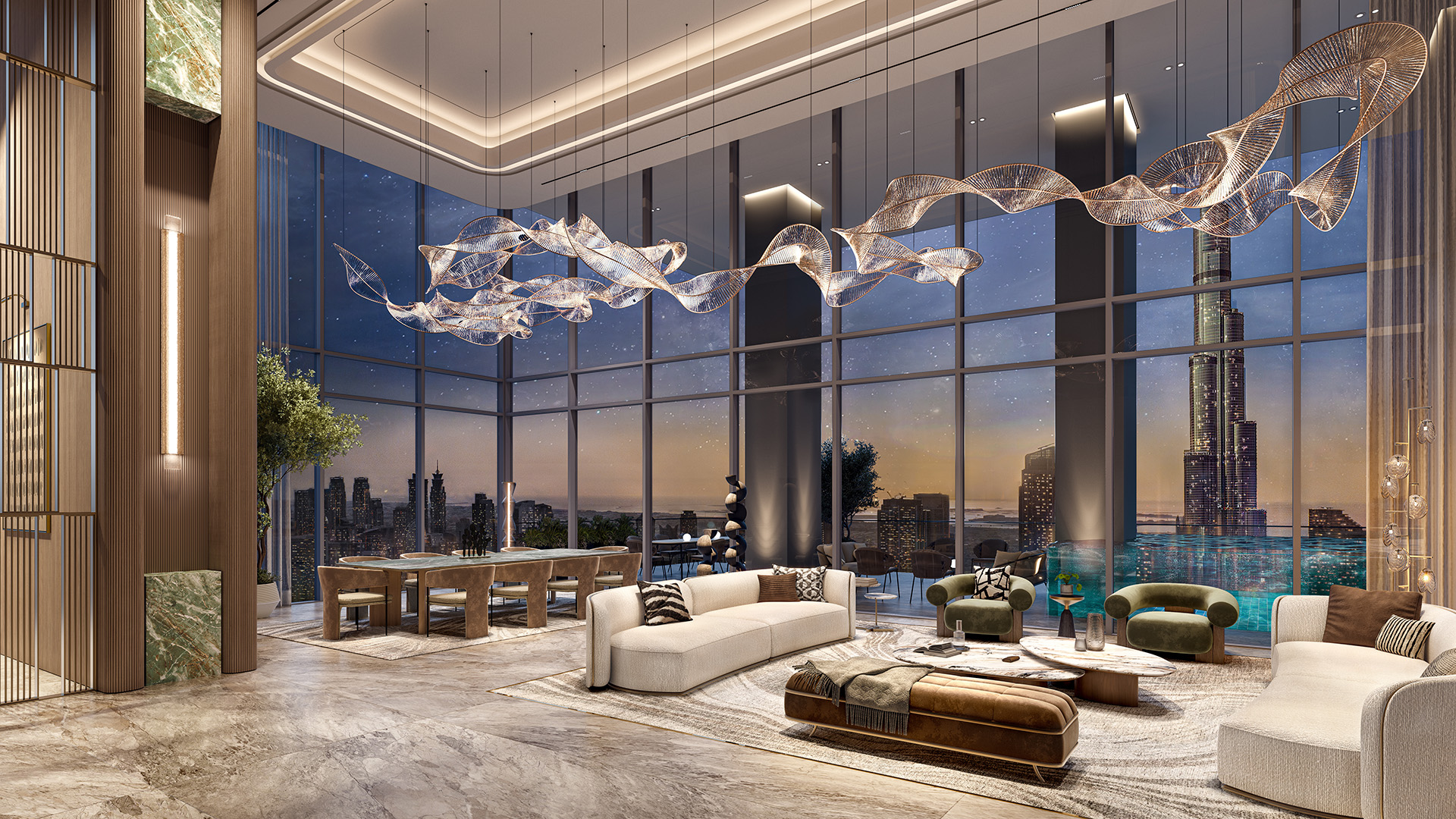
Lighting is a key factor here. Natural light brings warmth and vitality to a space, creating a sense of openness. Large windows, skylights, and glass doors can flood a room with sunlight, not only illuminating the space but also boosting mood. Thoughtful placement of mirrors and reflective surfaces amplifies this effect, enhancing the natural flow of light to create warmth and expansiveness. Incorporating various lighting layers—ambient, task, and accent—allows us to adjust the mood.
Soft, warm lighting can create a cosy atmosphere for intimate gatherings, while bright, cool tones are ideal for energising workspaces. The right lighting makes colours pop, textures more inviting, and the overall experience more engaging.
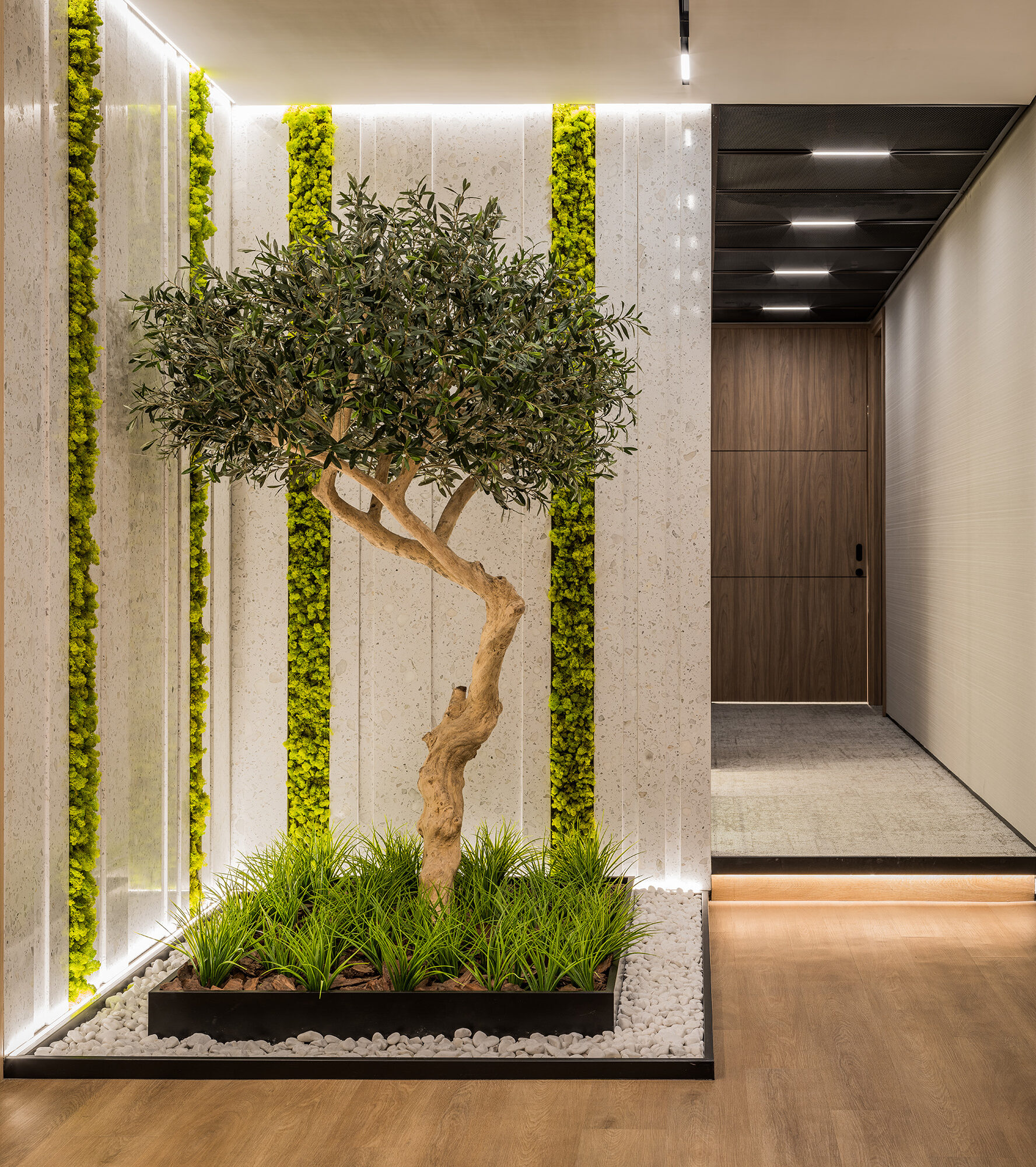
Additionally, incorporating artwork, plants, and natural vistas further engages the visual sense, giving the space character and personality. A carefully placed piece of art can draw attention and evoke a specific emotion, while views of a garden or a natural landscape provide a visual retreat that soothes and calms.
The Texture of Touch: The Unsung Hero
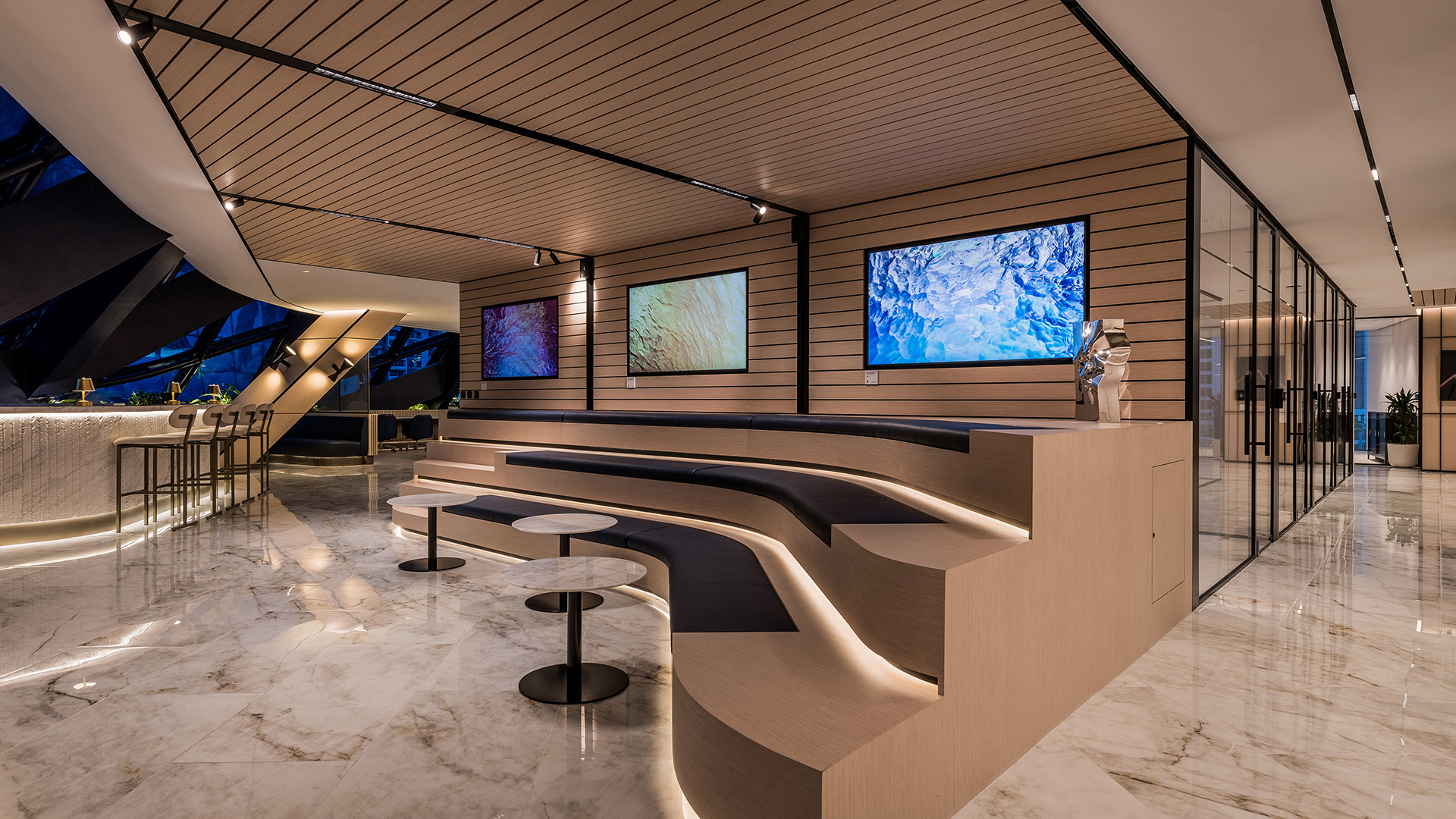
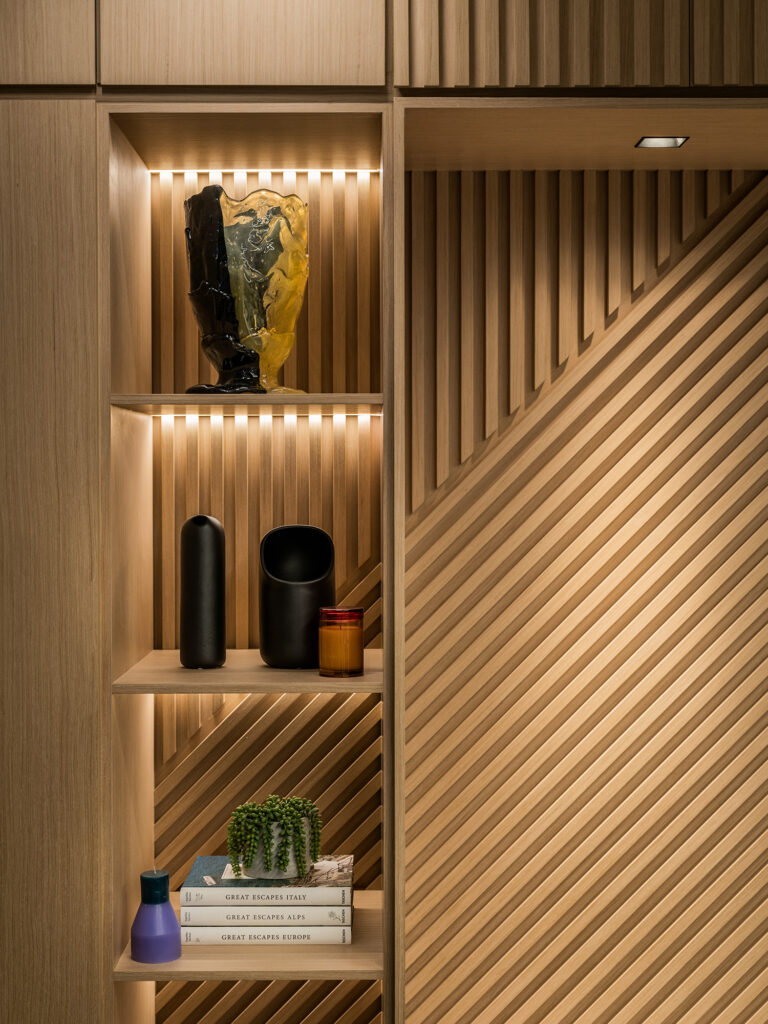
While sight may be the most obvious of the senses, touch is arguably the most intimate. The materials chosen for furniture, floors, and accessories have a direct physical impact on how comfortable and inviting a space feels. Textures that invite touch—like soft velvet, warm wood, and cool stone—add layers of depth to a design, enriching the experience of being in the space.
Consider how different textures make you feel: a plush wool rug underfoot in the living room can create a sense of cosiness, while a sleek marble countertop in the kitchen exudes sophistication. Upholstery in rich, tactile fabrics such as linen or silk adds another dimension to a seating area, fostering emotional connections often overlooked in traditional design.
Designers can also play with contrasting textures to create dynamic environments. Pairing rough-hewn wood with smooth metals or textured ceramics with polished glass introduces a sensory dialogue that engages and delights the touch, making the space more interactive and emotionally engaging.

The Sound of Silence: Acoustic Design for Tranquillity
Sound plays an integral, often overlooked role in how we experience spaces. Poor acoustics can make even the most beautiful room feel chaotic or uncomfortable. Echoes and noise can cause stress and agitation, while soft, ambient sounds foster calm and relaxation.
Acoustic design should be part of the core strategy in creating multi-sensory interiors. This involves choosing materials and architectural elements that reduce noise and create pleasant soundscapes. Soft furnishings like curtains, carpets, and upholstered furniture absorb sound, while sound-absorbing panels or textured walls can mitigate unwanted echoes.
Natural elements such as water features—whether a small indoor fountain or a view of a garden with flowing water—introduce calming sounds into the environment. These soothing, organic sounds help lower stress levels and create a peaceful atmosphere, aligning with the body’s natural rhythms to enhance emotional well-being.
Aromas in Design: Scents that Shape Mood
Scent is a powerful but often overlooked sense in interior design. Certain scents can trigger memories, emotions, and even physiological responses. Lavender, for example, is known for its calming effects, while citrus scents like lemon or orange are energising and refreshing.
Designers can integrate scents into interiors by using natural elements such as scented candles, essential oil diffusers, or fragrant plants like jasmine or rosemary. Beyond specific rooms, an overall scent strategy can create a cohesive identity for the home. Soft, relaxing scents in bedrooms and bathrooms and fresh, invigorating fragrances in living spaces or kitchens help set the mood for different activities.
Scent is particularly effective in creating sensory anchors—subtle cues that reinforce the intended emotional experience of a space. Imagine walking into a peaceful home that smells faintly of fresh lavender; immediately, your body relaxes, and a sense of tranquillity settles in.
Taste: Designing for a Full Experience
While taste is less directly involved in the typical interior design process, it can still play a role in how a space is experienced. Kitchens and dining areas can be designed to enhance the experience of sharing food and drink, with the layout and materials catering to social interaction and culinary enjoyment.
Materials such as wood, stone, and metals can complement the tactile and visual experience of dining, while careful attention to lighting and spatial arrangement enhances the flavours and presentation of meals. Design choices can influence how people gather and eat, with cosy dining areas fostering intimate conversations or open-plan kitchens encouraging collaboration during cooking.
The Holistic Approach: A Symphony of the Senses
When all five senses are considered in interior design, the result is an environment that is deeply immersive and emotionally resonant. A holistic, multi-sensory approach not only enhances the aesthetic appeal of a space but also its functionality and emotional impact.
Designers have the unique ability to craft spaces that make people feel good—whether it’s through the warmth of natural wood beneath bare feet, the subtle aroma of lavender wafting through the air, or the gentle sound of water trickling nearby. By thinking beyond the visual and engaging all the senses, interior design becomes a transformative tool for shaping emotional well-being.
In luxury homes, where personalisation and comfort are paramount, this multi-sensory approach creates spaces that are not just beautiful but also restorative, meaningful, and ultimately, unforgettable.