



Finding the Balance
Discussing Style and Function in Interior Design

Georgina Musa, Senior Interior Designer
In interior design, achieving harmony between style and function is essential to creating spaces that are both visually appealing and practical. A beautifully designed room can fall short if it doesn’t meet the daily needs of its users, just as a purely functional space can feel uninspired if it lacks aesthetic interest. In today’s world, where trends, technology, and personalisation are becoming more prominent, this balance becomes even more critical. Here’s a closer look at why this balance is important, what happens when it’s not achieved, and how to create spaces that seamlessly merge form and function.
The Importance of Balancing Style and Function
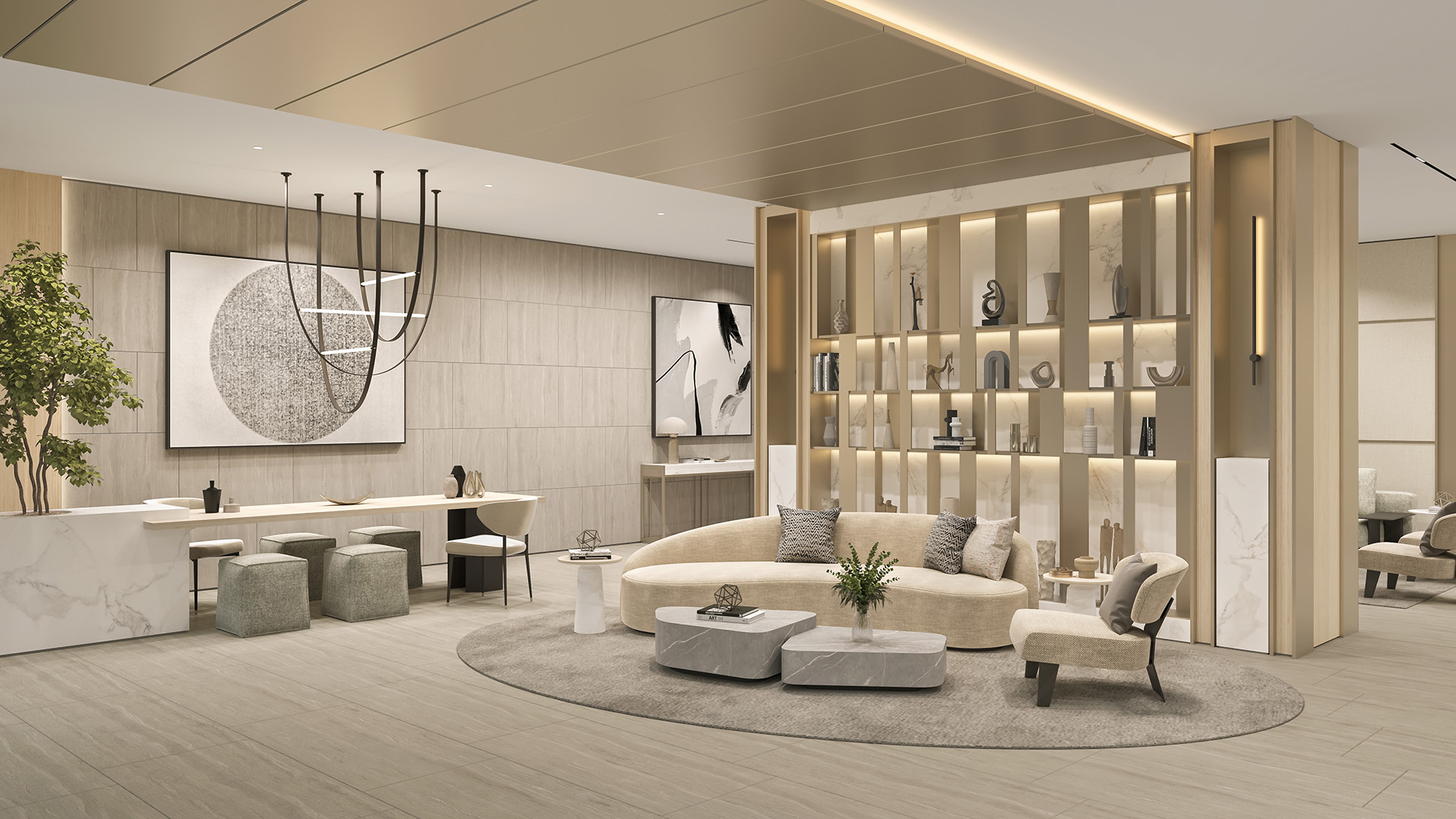
The perfect interior space is more than just a showpiece—it’s a place that serves its users effectively. Functionality ensures that the space meets the practical needs of its occupants, while style enhances the space's appeal, making it enjoyable to live or work in. Balancing both aspects means that users don’t have to compromise one for the other.
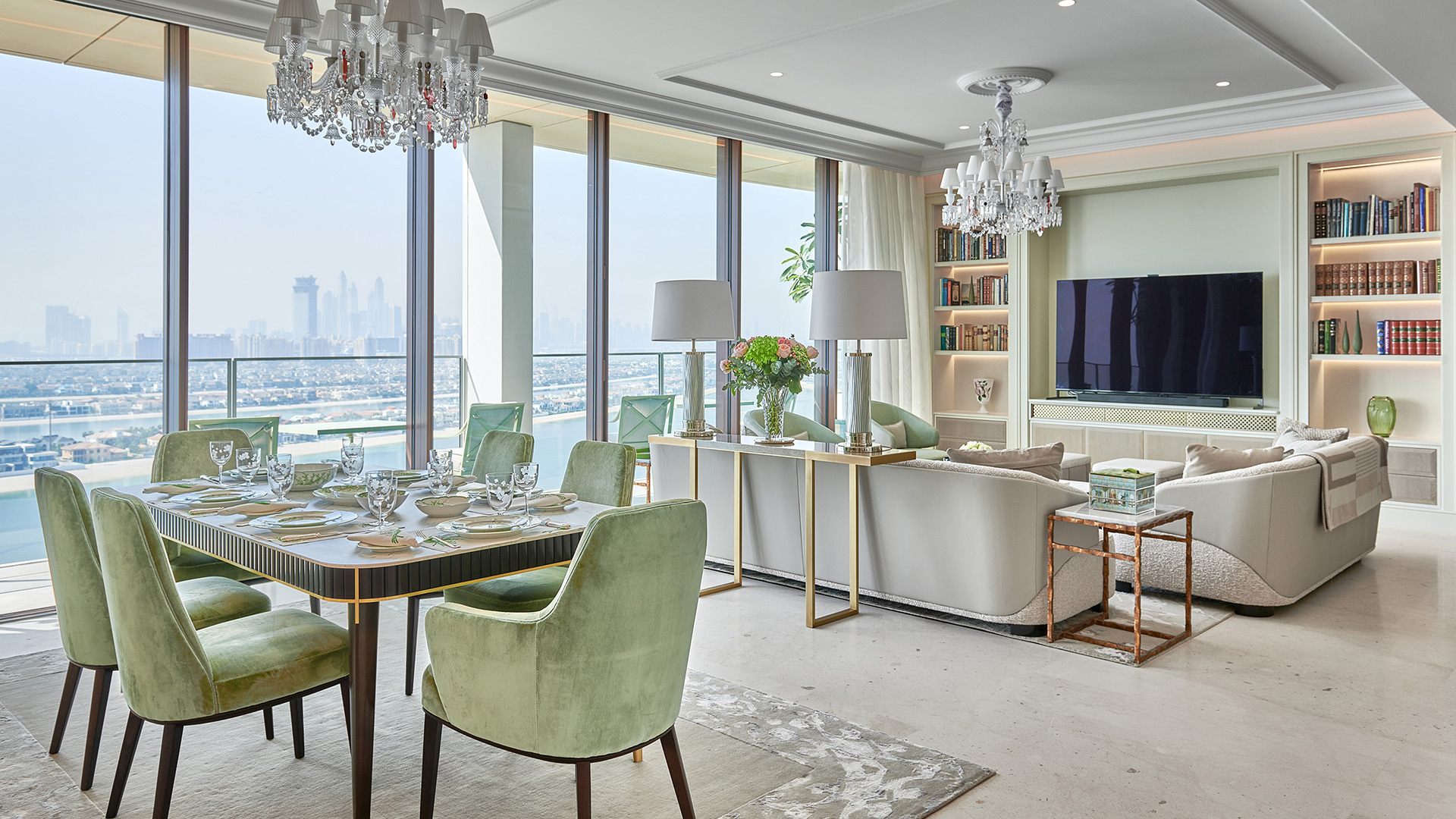
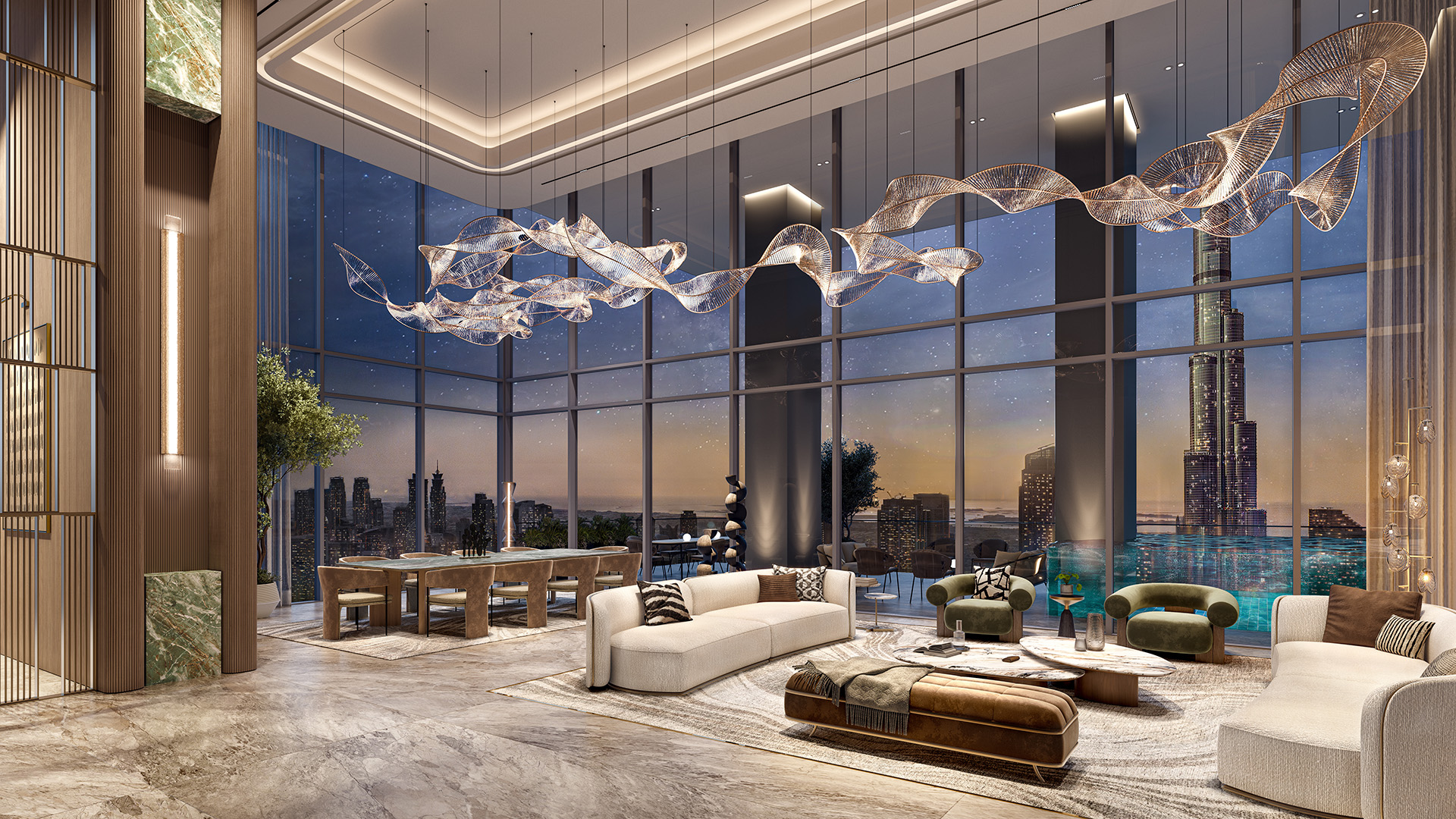
For example, a family living room that looks stylish but doesn’t offer comfortable seating or enough storage is less likely to be used effectively. On the flip side, a room filled with practical furniture but lacking any design aesthetic can feel dull and uninspired. Achieving a balance ensures that a space not only works well but also feels harmonious and inviting.
The Key Steps in Creating a 3D Architectural Visualisation
Creating a realistic 3D visualisation isn’t just about jumping into a software programme and starting to build. It’s a carefully planned, multi-step process that requires technical skills, attention to detail, and a healthy dose of creativity.
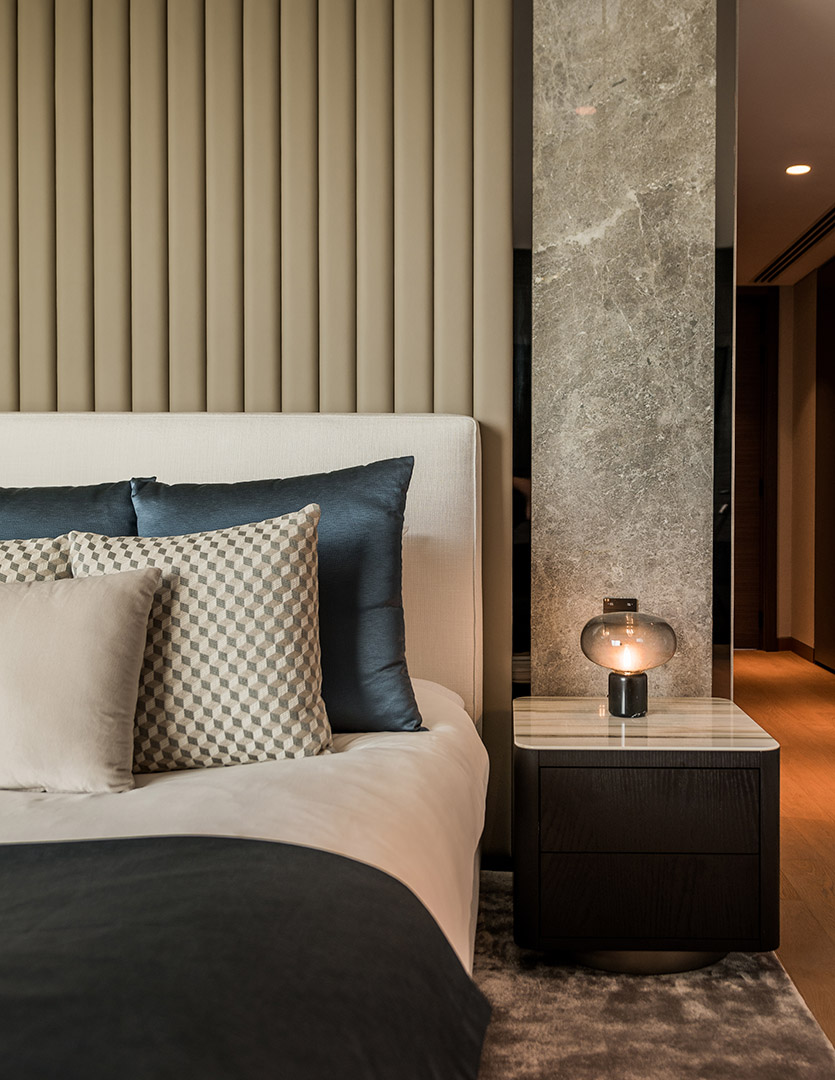
When a space leans too heavily on either style or function, problems can arise.
Overemphasis on Style: A room that prioritises aesthetics over practicality may look good in photos but can be difficult to live in. For example, a visually stunning dining room might have chairs that are uncomfortable to sit on for long periods, or a minimalist kitchen might lack adequate storage for essentials. In such cases, users quickly become frustrated because the design doesn’t support their daily activities.
The process begins with building a digital 3D model of the space. Using tools like 3ds Max or SketchUp, artists create accurate digital versions based on the architect’s blueprints. Every element, from walls and floors to fixtures and furniture, is built with care. This first step ensures that the model matches the design vision, setting a solid foundation for the visualisation.
Overemphasis on Function:
On the other hand, a space that focuses too much on practicality might fulfil all functional needs but lack character, creativity, and warmth. A home office that is equipped with everything you need but lacks any personal style can feel uninspiring, making it harder to feel motivated.
This imbalance often results in dissatisfaction, making the space less enjoyable and effective.
Achieving a balance between style and function starts with thoughtful planning and intentional design. Below are key strategies for ensuring that form and function coexist harmoniously in a space.
Up-to-Date Trends in Style
Staying aware of current design trends is essential, but it’s equally important to recognise that trends should complement rather than dictate the space. The use of natural materials, biophilic design, and bold colours are popular in today’s interiors. These trends can be integrated in a way that doesn’t disrupt functionality, such as choosing durable, sustainable materials that are both beautiful and long-lasting. Balancing trends with timeless pieces ensures that the space remains both stylish and functional over time.
Creative Innovation in Design Elements
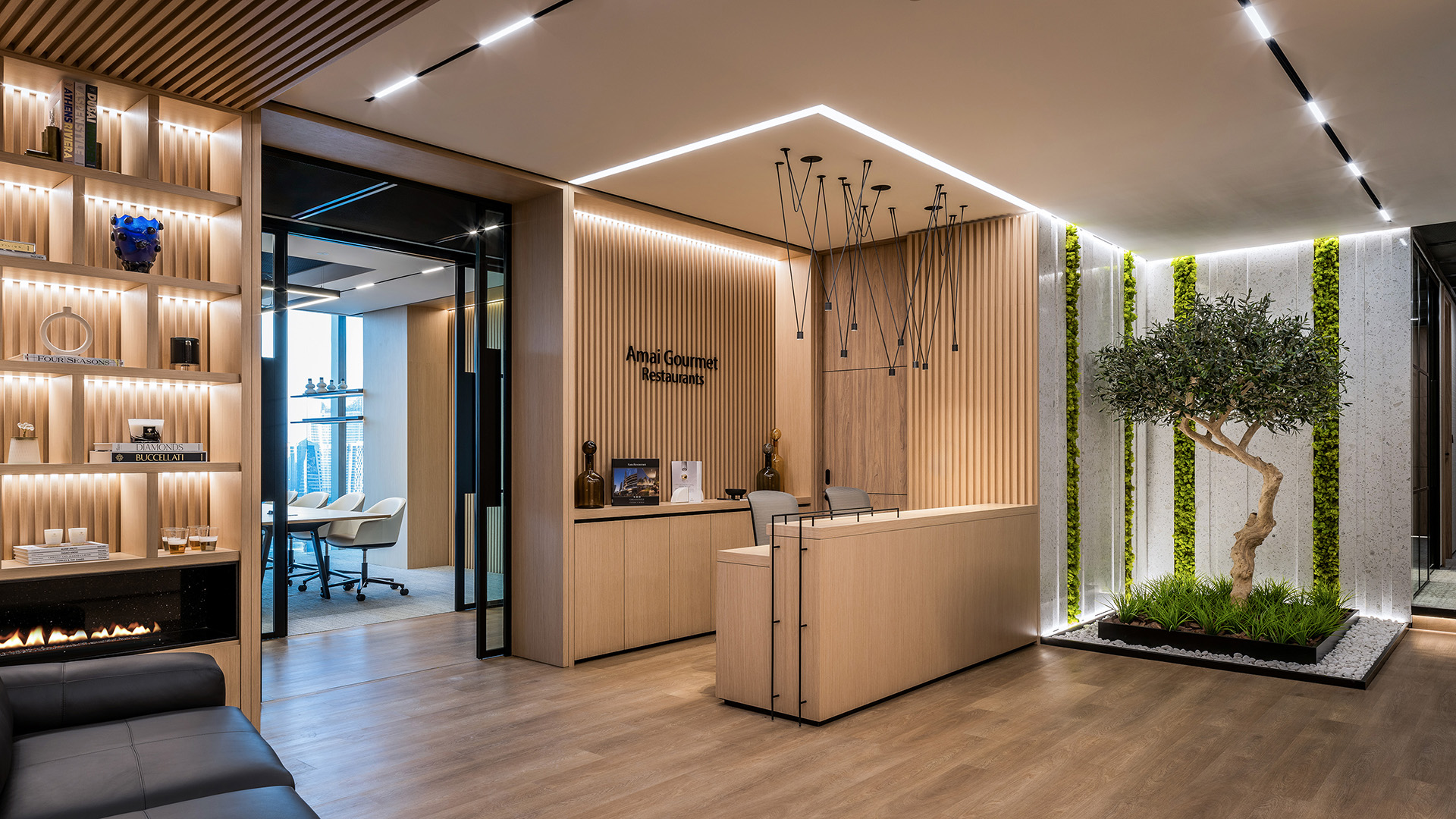
Incorporating innovative design elements can add flair while also enhancing functionality. For example, multifunctional furniture, such as ottomans that provide extra storage or fold-out tables that save space, offer creative solutions to common design challenges. Custom-built cabinetry and shelving can maximise storage without compromising aesthetics, proving that function and style can coexist when approached creatively.
Personalisation for End Users
Another critical factor is personalisation. Every client has different needs, preferences, and lifestyle demands. Understanding who will use the space and how it will be used ensures that the design reflects the user’s personality and requirements. Tailoring the style to fit the end user, whether through custom furniture, personalised colour schemes, or unique art pieces, guarantees a space that is both functional and reflective of the user’s taste.
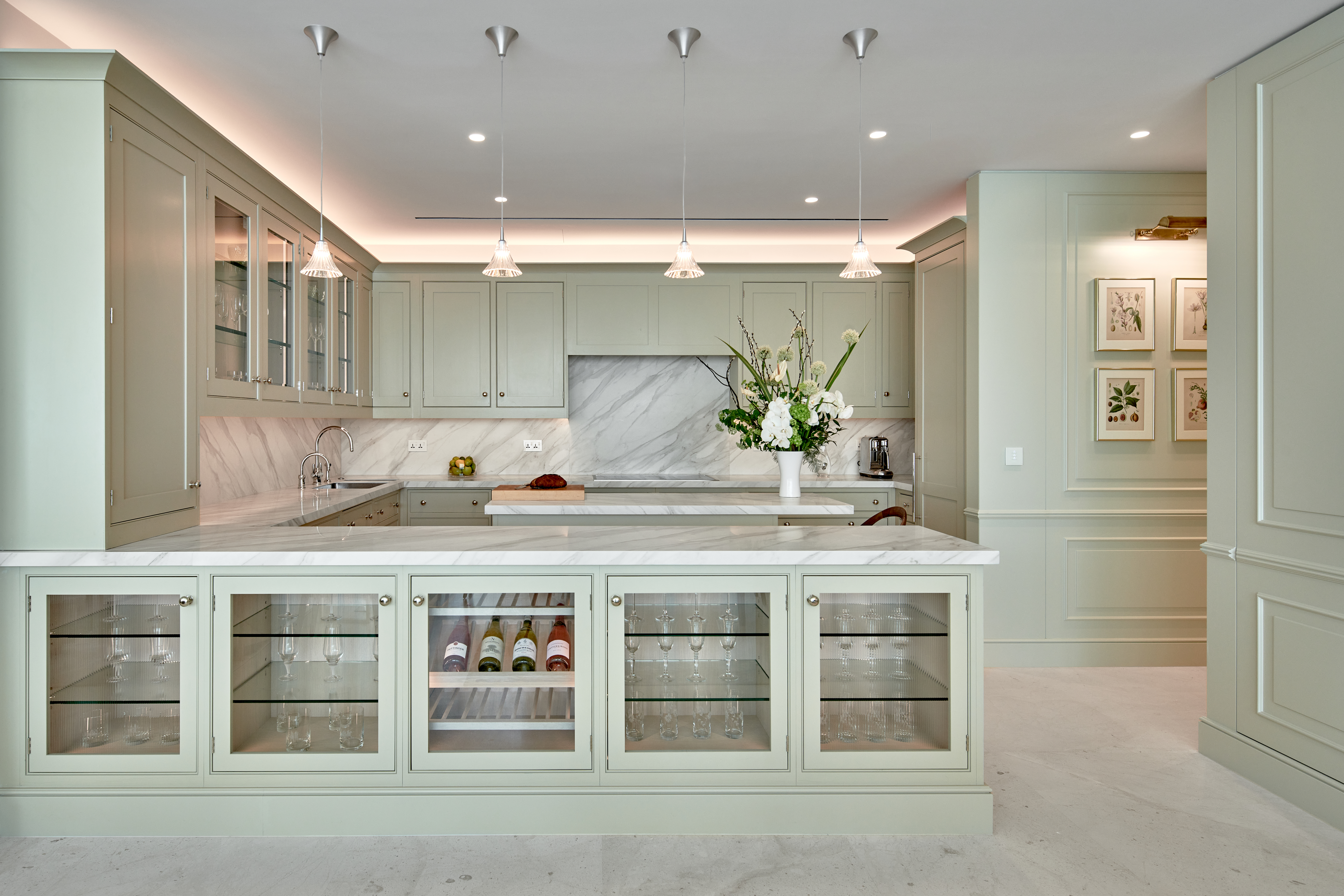
There are several reasons why some designers might struggle to achieve the balance between style and function.
Focus on Visual Appeal
Some designers may prioritise creating eye-catching spaces that photograph well, especially in the age of social media. Instagram-worthy interiors may generate buzz online but often come at the expense of usability. This focus on aesthetics can lead to spaces that look great but are uncomfortable or impractical to live in.
Budget Constraints
Budget limitations can also play a role. A designer may choose to prioritise either form or function due to the constraints of a client’s budget, potentially sacrificing one over the other. However, thoughtful planning and creative solutions can help strike the right balance, even on a limited budget.
Misunderstanding Client Needs
In some cases, designers might not fully understand the needs and desires of their clients, leading to spaces that don’t function as intended. Miscommunication or assumptions about how a space will be used can result in an imbalance that leaves the client dissatisfied. Engaging with clients throughout the design process helps avoid this pitfall.
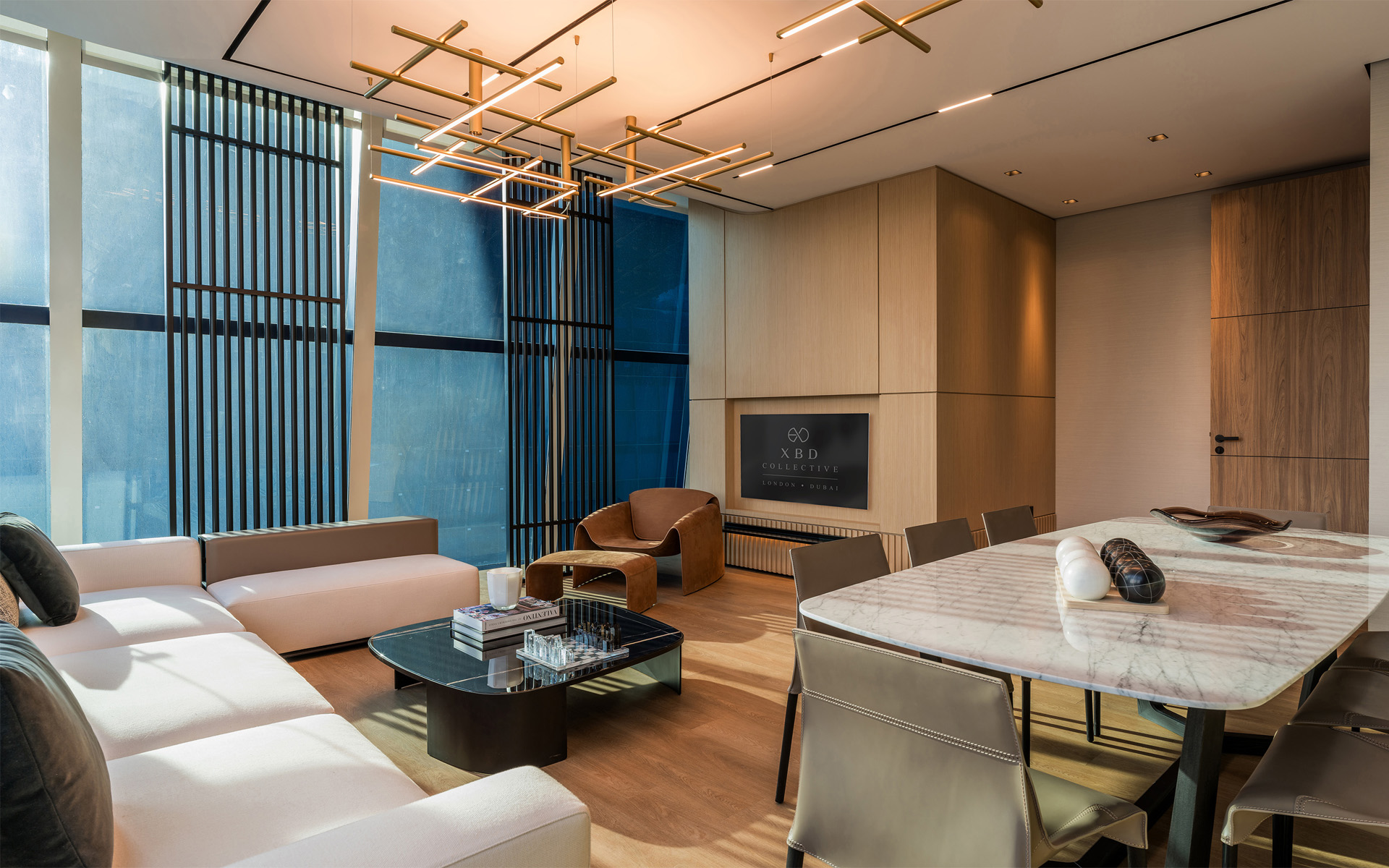
Balancing style and function is a challenge, but it’s one that all successful interior designers must embrace. When done correctly, this balance creates spaces that are not only beautiful but also practical, enhancing the user’s experience. Through careful space planning, incorporating trends and innovation, personalising designs, and leveraging smart technology, designers can create interiors that meet both the aesthetic and functional needs of their clients. Moreover, understanding the reasons behind why some neglect this balance—whether it's due to budget constraints, an overemphasis on visual appeal, or miscommunication—can help designers avoid these common pitfalls and achieve more successful outcomes.