



A 3D Artist’s Perspective
Using AI and VR in Architecture and Interior Design

Jayesh M Jacob, 3D Visualiser
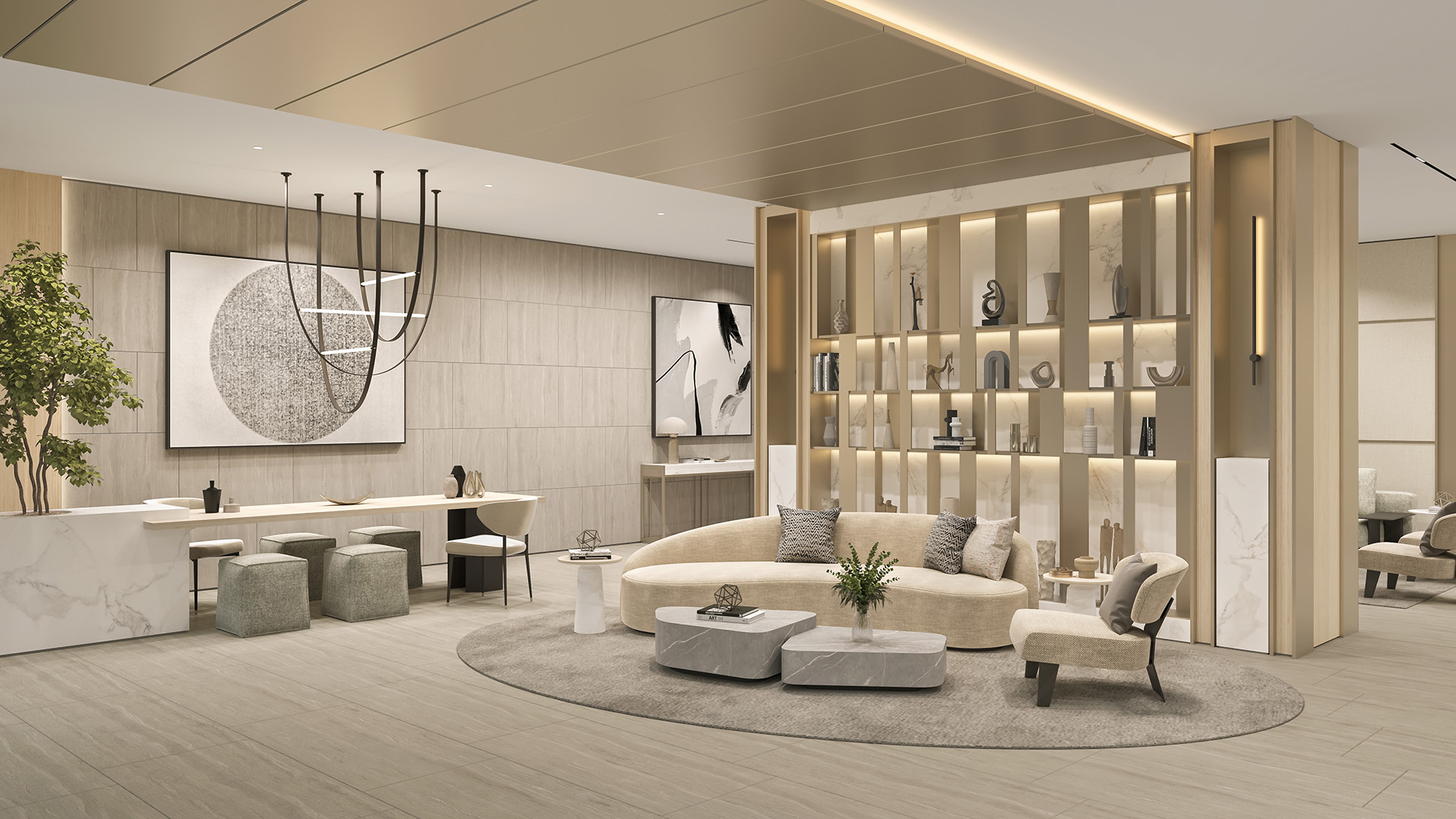
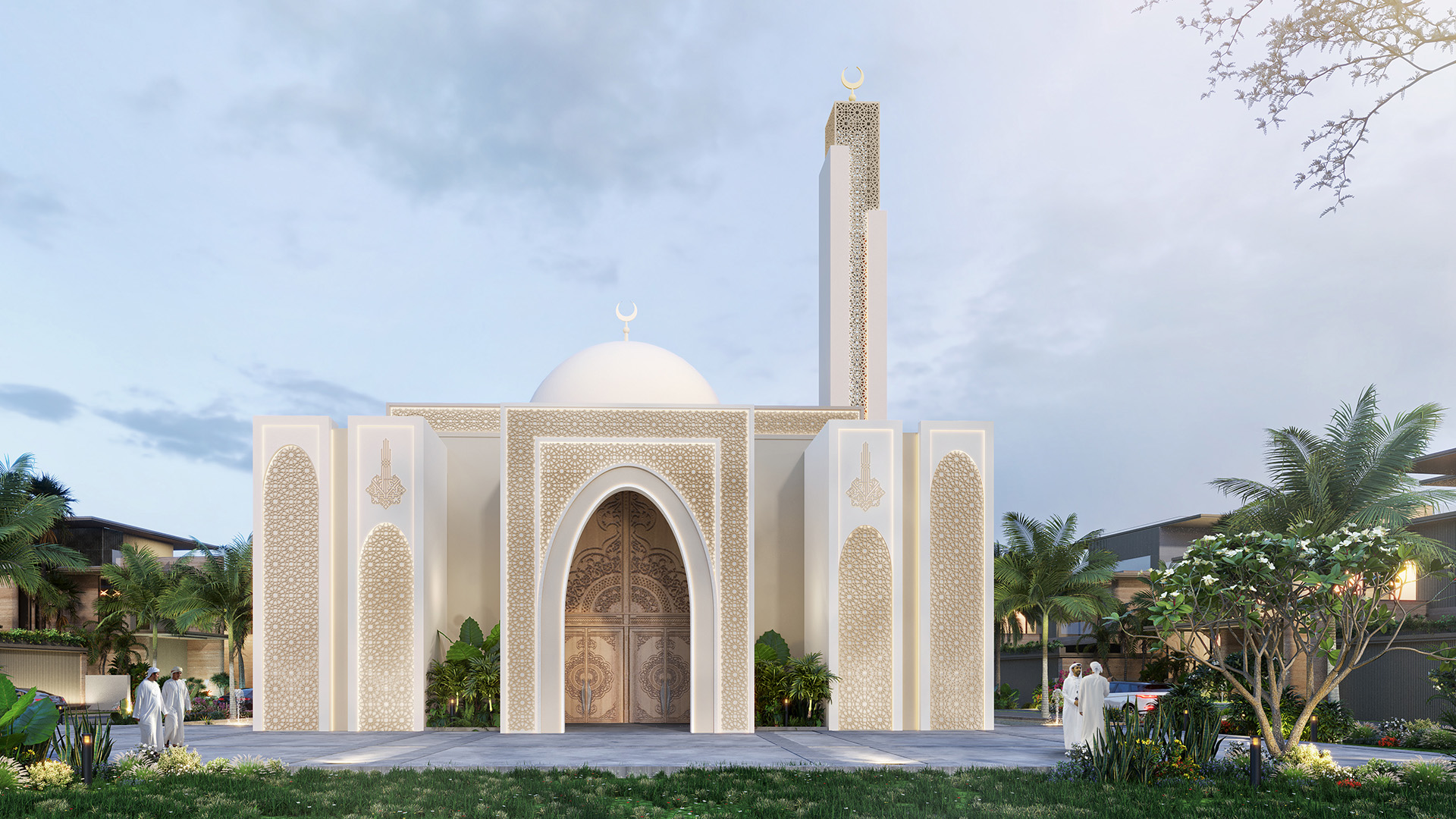
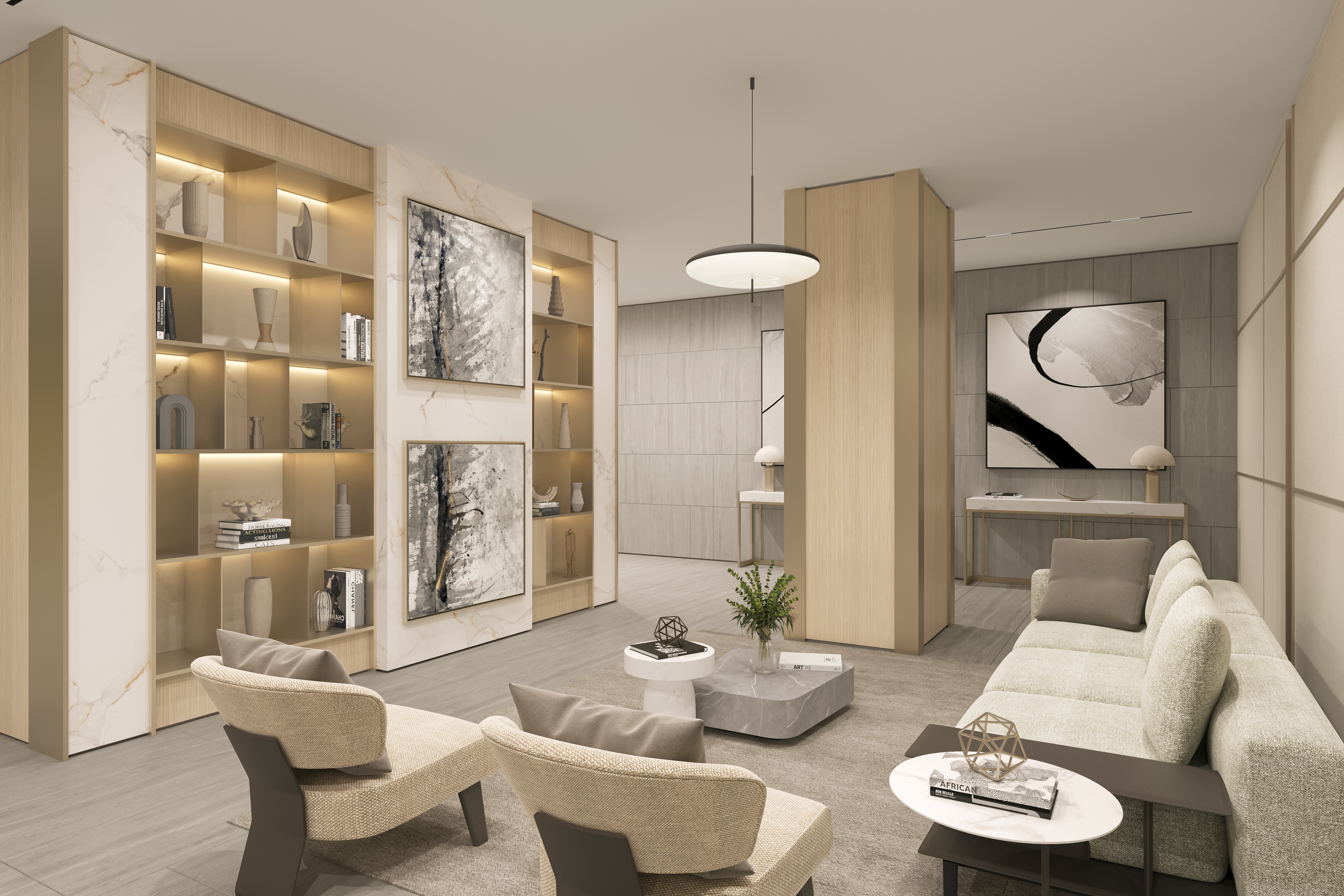
As a 3D artist in the fields of architecture and interior design, I’ve witnessed firsthand how artificial intelligence (AI) and virtual reality (VR) are transforming our industry. These technologies enhance creativity, streamline workflows, and elevate client experiences, making the design process more efficient and engaging.
AI: Redefining Design Possibilities
AI has become an invaluable tool in architectural design. One of its most compelling applications is generative design. By inputting specific parameters—like size, budget, and material preferences—AI can produce a multitude of design options. This not only inspires creativity but often leads to solutions that are more innovative than traditional methods would yield. The ability to explore a wide range of possibilities allows us to push the boundaries of conventional design.
Moreover, AI’s predictive analytics capabilities help us understand market trends and client preferences. By analysing data from previous projects, AI can suggest design elements that are likely to resonate with target audiences. This ensures that our designs are not only visually appealing but also functional and aligned with contemporary needs.
AI also automates repetitive tasks, such as drafting and rendering. This automation frees up time for us to focus on creative exploration and collaboration with clients. It allows for faster iterations, enabling us to refine designs based on client feedback without extensive delays.
VR: Immersive Client Engagement
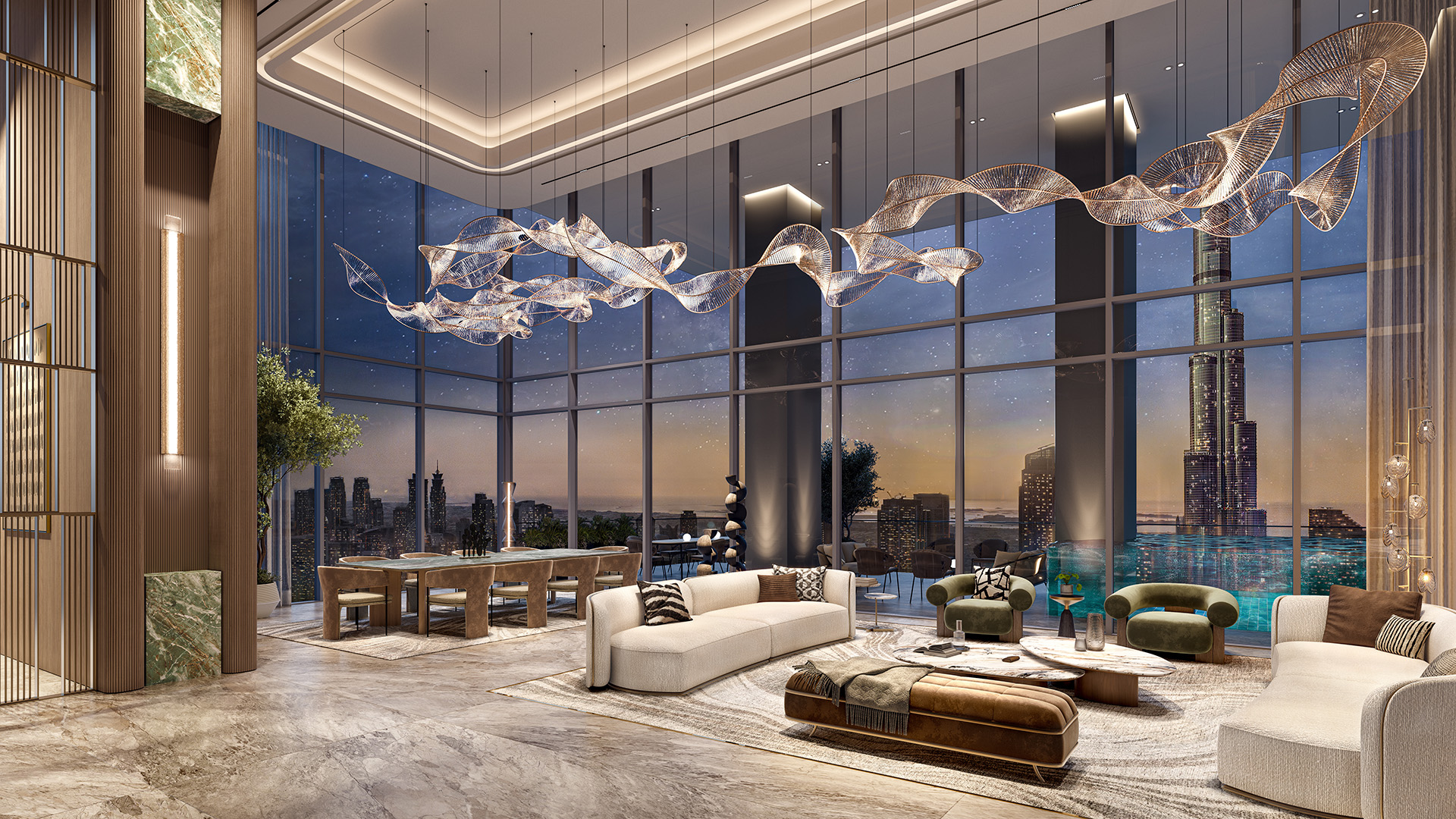
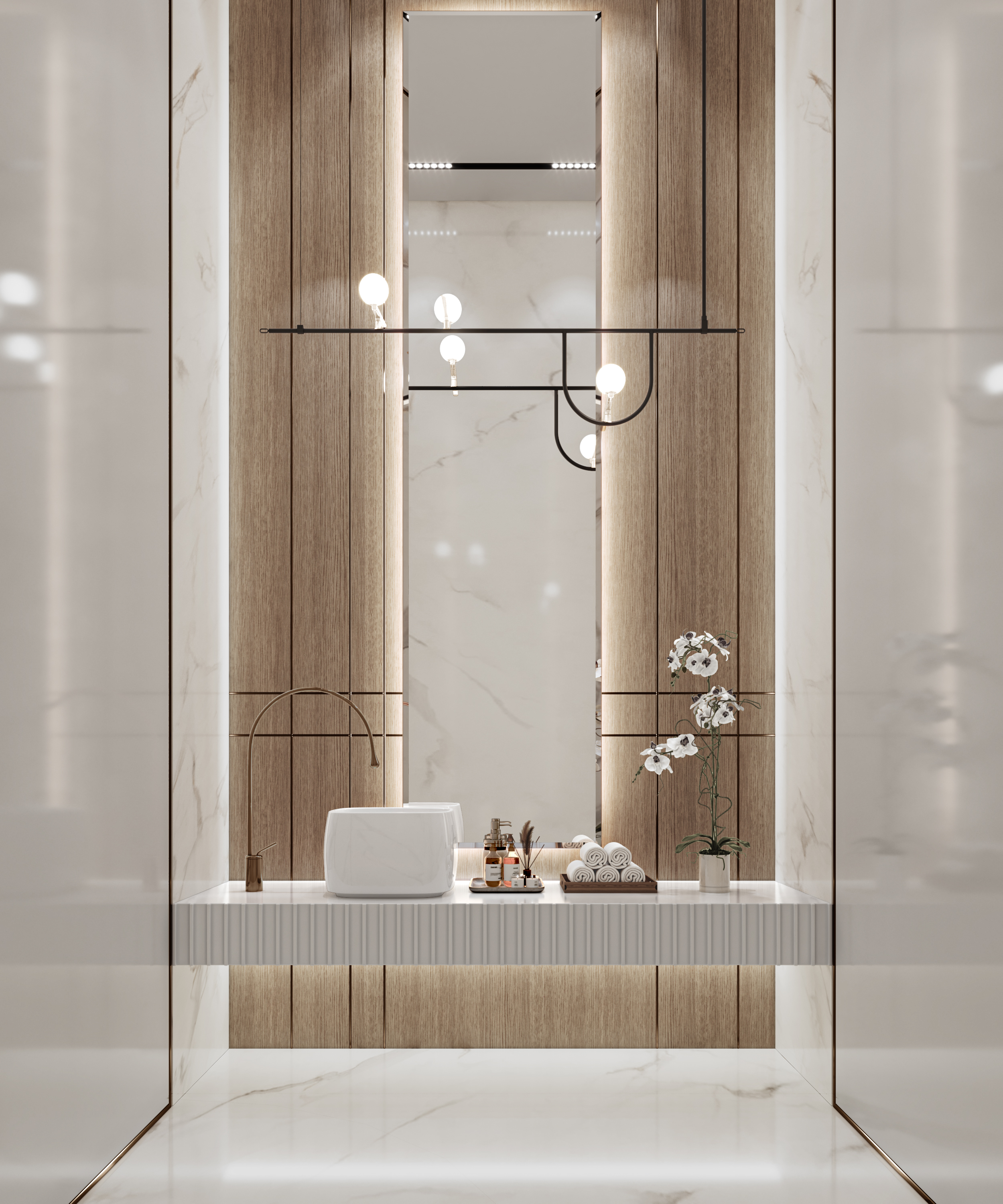
Virtual reality is revolutionising how we present and visualise our designs. VR allows clients to immerse themselves in 3D environments, walking through spaces before they are built. This firsthand experience helps clients grasp scale, layout, and materials, making it easier for them to provide meaningful feedback.
Collaboration is greatly enhanced with VR as well. Teams can meet in a virtual space, discussing design elements while experiencing the environment together. This real-time interaction not only improves communication but also allows for immediate decision-making, reducing the risk of misunderstandings that can occur with traditional methods.
The immersive nature of VR enhances understanding and fosters a deeper emotional connection to the design.
Rapid iteration is another key benefit of using VR. Instead of waiting for lengthy renderings, we can quickly prototype different design concepts and make adjustments on the spot. This agility is crucial in fast-paced projects, ensuring we stay on track and meet client expectations.
Real-World Applications
In practice, the integration of AI and VR has transformed client presentations. Using VR headsets during meetings creates an engaging and memorable experience that captures client interest and facilitates productive discussions. Clients can explore multiple design options interactively, leading to a collaborative design process that feels inclusive and personalised.
Additionally, VR serves as a powerful marketing tool. Creating virtual walkthroughs of completed projects allows potential clients to experience our work in a way that static images simply cannot convey. This interactive approach not only showcases our expertise but also sets us apart in a competitive market.
The convergence of AI and VR in architecture and interior design is reshaping the industry landscape. As a 3D artist, these technologies empower me to create more innovative, efficient, and client-centred designs. The future of design is not only exciting but also filled with endless possibilities, and I am thrilled to be part of this transformative journey.