






Managing Client Expectations
Discussing High-End Residential Projects

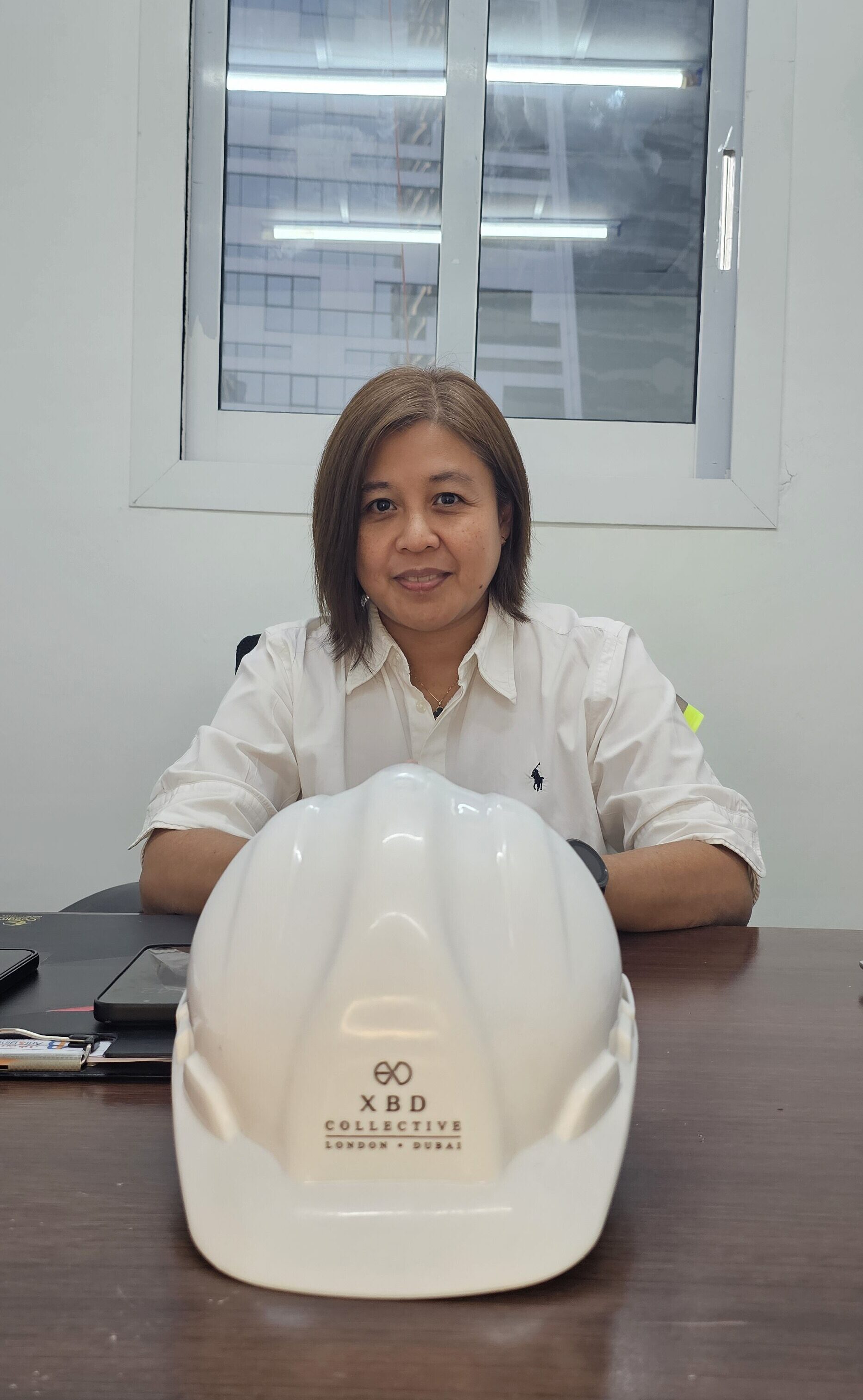
Ana Marie Dizon, Project Architect
In the world of high-end residential architecture, the process of managing client expectations is essential to project success. Working with clients who often have strong personal visions and high standards requires architects not only to deliver exceptional results but also to guide clients through every step of the journey with transparency, empathy, and expertise. I’ve found that setting clear expectations from the start and maintaining open lines of communication throughout can turn complex projects into successful, rewarding experiences for everyone involved.
In this article, I’ll share my insights into five fundamental strategies for managing client expectations effectively: budgeting with transparency, setting realistic timelines, maintaining proper communication and documentation, ensuring flexibility, and building strong client relationships. These strategies form a foundation that not only enhances the project’s outcome but also strengthens the professional relationship between architect and client.
Managing the Budget Transparently Without Sacrificing Quality or Function
Budget is often the first major point of discussion in a high-end residential project. Clients come with various expectations about what can be achieved within their financial constraints, and it’s up to the architect to help them understand how to maximise their investment without compromising on quality or functionality.
Open, honest conversations about the budget should happen right from the start. I encourage clients to share their expectations and any areas they feel strongly about, whether it's premium materials, sustainable building practices, or particular design features.
As an architect, I outline potential costs and offer alternative solutions that align with their vision. For example, rather than compromising on aesthetics, I might suggest using high-quality, locally-sourced materials that provide a luxury feel without the high cost of imported goods. It’s about making the budget work harder by focusing on value-driven choices.
The goal is to be transparent in explaining how budgetary decisions impact the project’s outcome. With this understanding, clients are more receptive to exploring cost-saving alternatives and solutions that align with their initial aspirations. This approach builds trust, as they see you’re dedicated to delivering both quality and value within the scope of their financial commitment.

Setting a Realistic Timeline and Sticking to It
Timelines in high-end residential projects can be a tricky subject. Custom materials, specialised contractors, and unforeseen challenges can all contribute to delays. That’s why I find it essential to provide a timeline that not only reflects the complexity of the project but also includes reasonable buffers for unexpected situations.
While clients may have a desired completion date in mind, it’s my responsibility to set realistic expectations about what’s achievable and when. I explain how each phase of the project, from design development to construction, requires specific steps and careful coordination. Detailing the time needed for permits, custom orders, and the inevitable hiccups in construction helps clients appreciate the work involved and the need for a feasible timeline.
Once the timeline is set, I keep clients informed of our progress. Regular updates and check-ins ensure they feel connected to the project, aware of its status, and prepared for any adjustments. When clients are kept in the loop, they’re more likely to remain patient and understanding, even if minor delays arise. A realistic timeline combined with consistent communication reduces stress and enhances the overall client experience.
Communication and Documentation for Both Protection and Clarity
Clear communication is the cornerstone of a successful project, but in the fast-paced world of architecture, it’s easy for details to slip through the cracks. That’s why I prioritise thorough documentation, ensuring that every decision, adjustment, and conversation is recorded. Not only does this protect both parties, but it also provides a transparent record of the project’s progression.
I use a range of tools to keep clients updated, from digital project management platforms to regular email summaries and face-to-face meetings. These tools help create an accessible trail of all agreements, changes, and milestones. When everyone has a shared record, there’s less room for misinterpretation, which helps build a solid foundation of trust and mutual understanding.
Another benefit of detailed documentation is that it can serve as a reference point should any disagreements or questions arise. With a clear record, it’s easier to revisit the client’s original expectations and address any concerns with factual, organised information. In the end, good documentation supports clarity, keeps the project on track, and adds a layer of professionalism that clients appreciate.
Ensuring Flexibility and Providing Effective Design Solutions
No matter how thorough the planning, clients’ needs and tastes can change over the course of a project. This is particularly common in high-end residential projects, where clients are often deeply involved in design choices. Rather than viewing these changes as setbacks, I see them as opportunities to showcase flexibility and creative problem-solving.
By maintaining a flexible approach, I can adjust the design to incorporate new ideas while keeping the project’s core vision intact. For instance, if a client decides they want a more open-concept kitchen midway through construction, I’ll assess how to make that adjustment without compromising structural integrity or increasing costs unnecessarily. I present them with feasible options and explain the implications of each choice, so they can make informed decisions.
Flexibility also means anticipating potential changes early on and building contingencies into the budget and timeline. By proactively addressing “what-ifs,” I create a framework that can adapt to evolving client needs without throwing the entire project off course. This approach not only keeps the project moving smoothly but also reassures clients that they can rely on me to support their vision, even as it evolves.
Building Strong Client Relationships
Finally, successful high-end residential projects are built on strong client relationships. As a project architect, I strive to create a partnership with each client, based on mutual respect, transparency, and shared goals. When clients feel valued and understood, they’re more likely to trust my guidance and recommendations.
Building a good relationship starts with active listening. By paying close attention to my clients’ ideas, concerns, and feedback, I show that I value their input. I aim to communicate with empathy and patience, particularly when challenging conversations are needed, such as discussing budget constraints or addressing delays. It’s in these moments that a strong relationship can make all the difference.
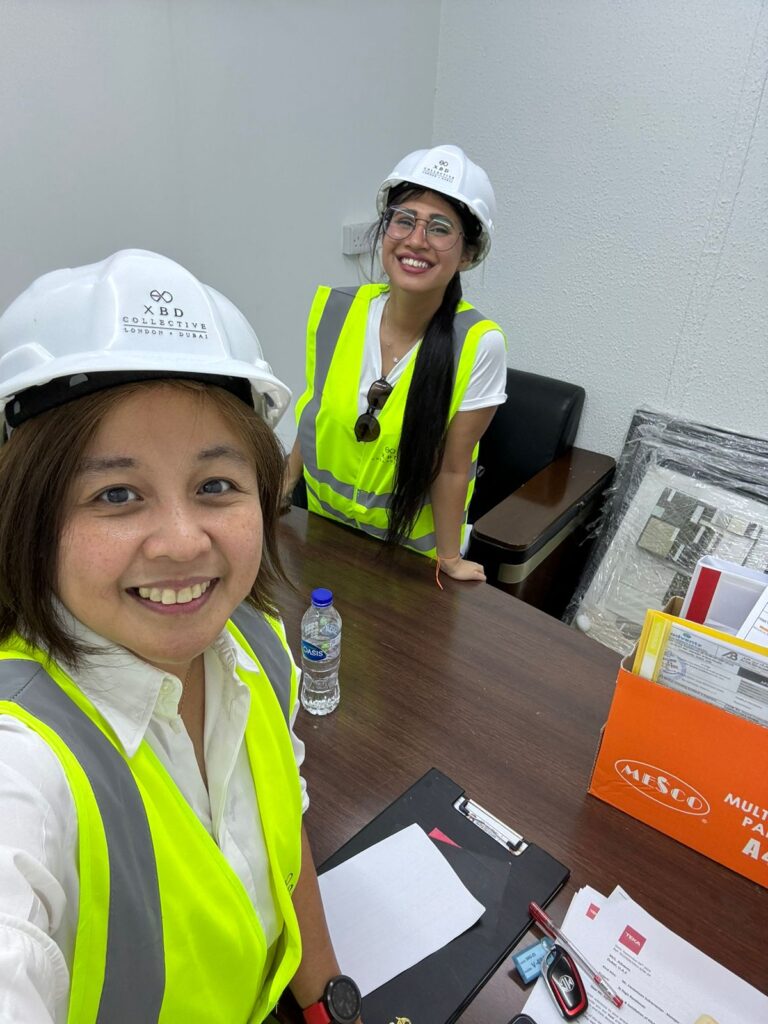
Another key to a strong client relationship is maintaining a proactive approach. By anticipating needs, providing timely updates, and offering thoughtful design solutions, I demonstrate my commitment to the project and my dedication to delivering exceptional results. Many clients appreciate this personal touch and, as a result, feel more engaged and positive about the project. Over time, these relationships often lead to referrals and repeat business, reflecting the long-term value of investing in client satisfaction.
Managing client expectations in high-end residential projects requires more than just technical skills; it demands a blend of transparency, flexibility, and relationship-building. By openly discussing budgets, setting realistic timelines, documenting every detail, staying flexible, and prioritising strong client relationships, architects can create an environment where clients feel understood and confident in the process. These strategies not only lead to more successful projects but also foster lasting professional relationships, allowing clients to experience their dream homes without unnecessary stress or disappointment.
In the end, when expectations are well-managed, clients can enjoy the journey as much as the destination, seeing their high-end residential visions come to life with clarity, care, and a sense of partnership.