






The Role of 3D Visualisers
Discussing High-End Architectural Presentations

Rejeesh PR, 3D Visualiser
In today’s world, architectural presentations have evolved far beyond traditional blueprints and 2D sketches. Thanks to 3D visualisation, architects can now offer clients a lifelike preview of projects before the first brick is even laid. The role of a 3D visualiser has become essential in high-end architecture, as they help turn imaginative designs into visual experiences that are both compelling and informative. Let’s explore how 3D visualisers are enhancing architectural presentations and why their work is so valuable to modern architecture.
Bringing Realism to the Concept Stage
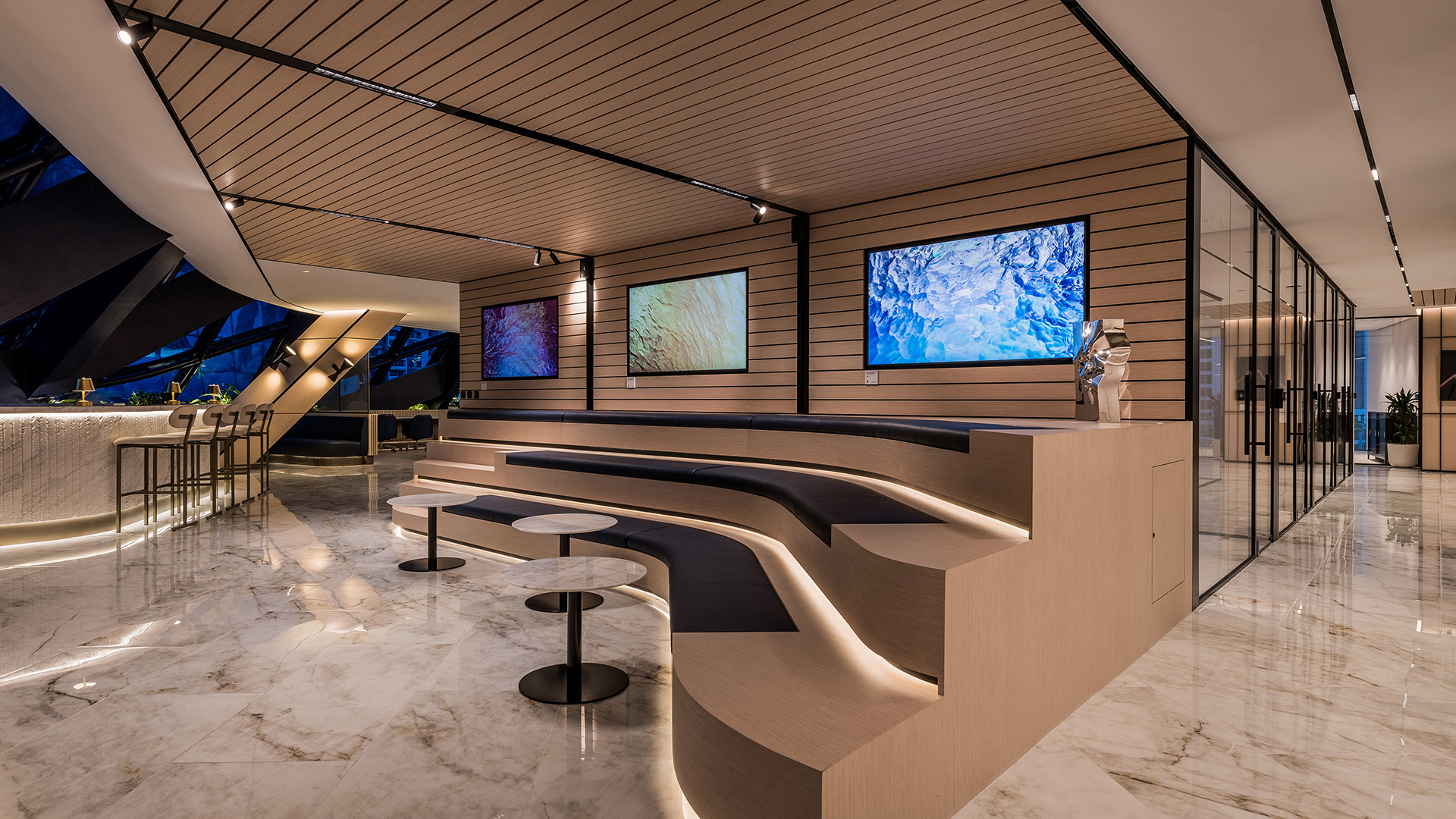
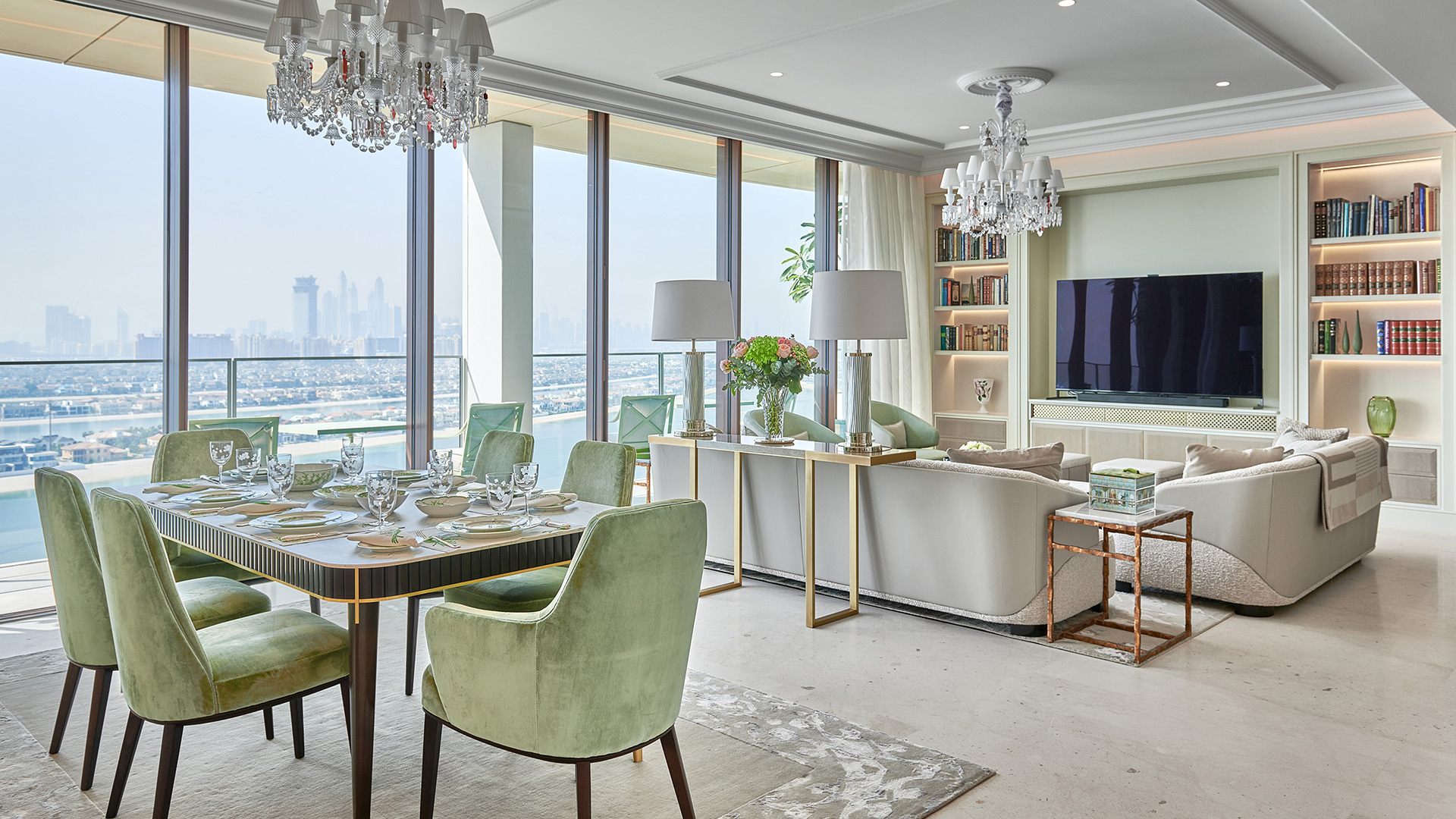
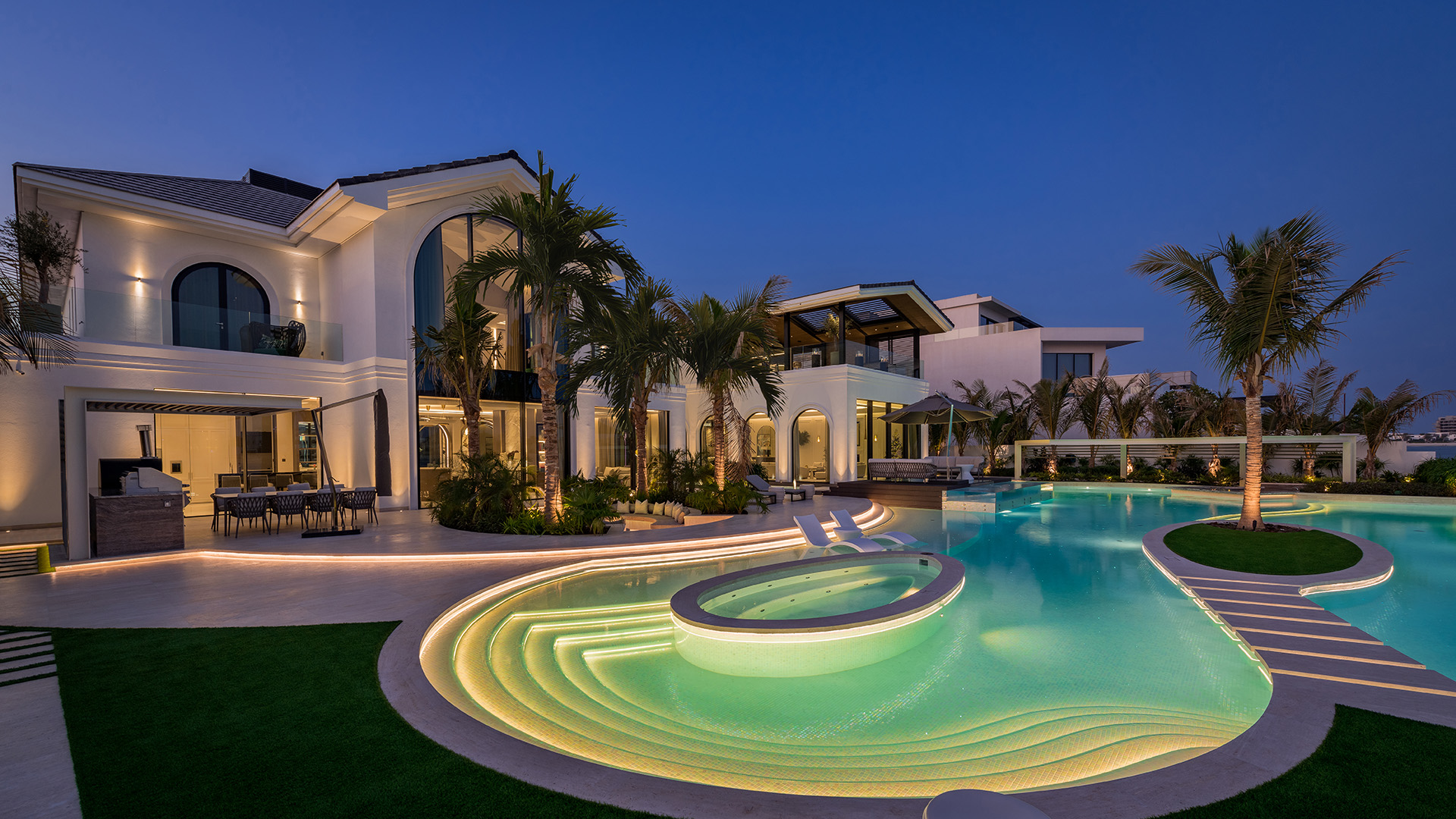
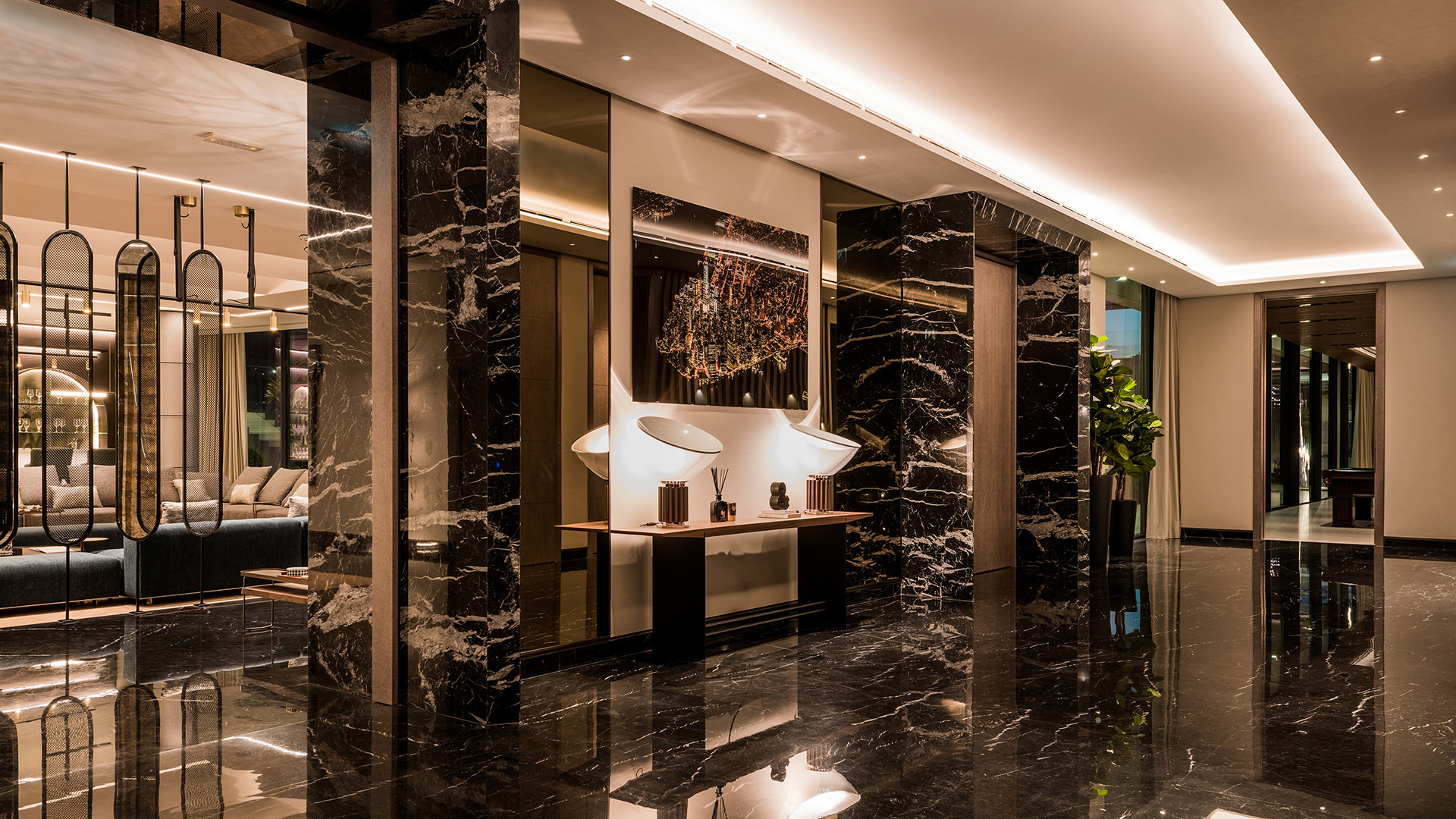
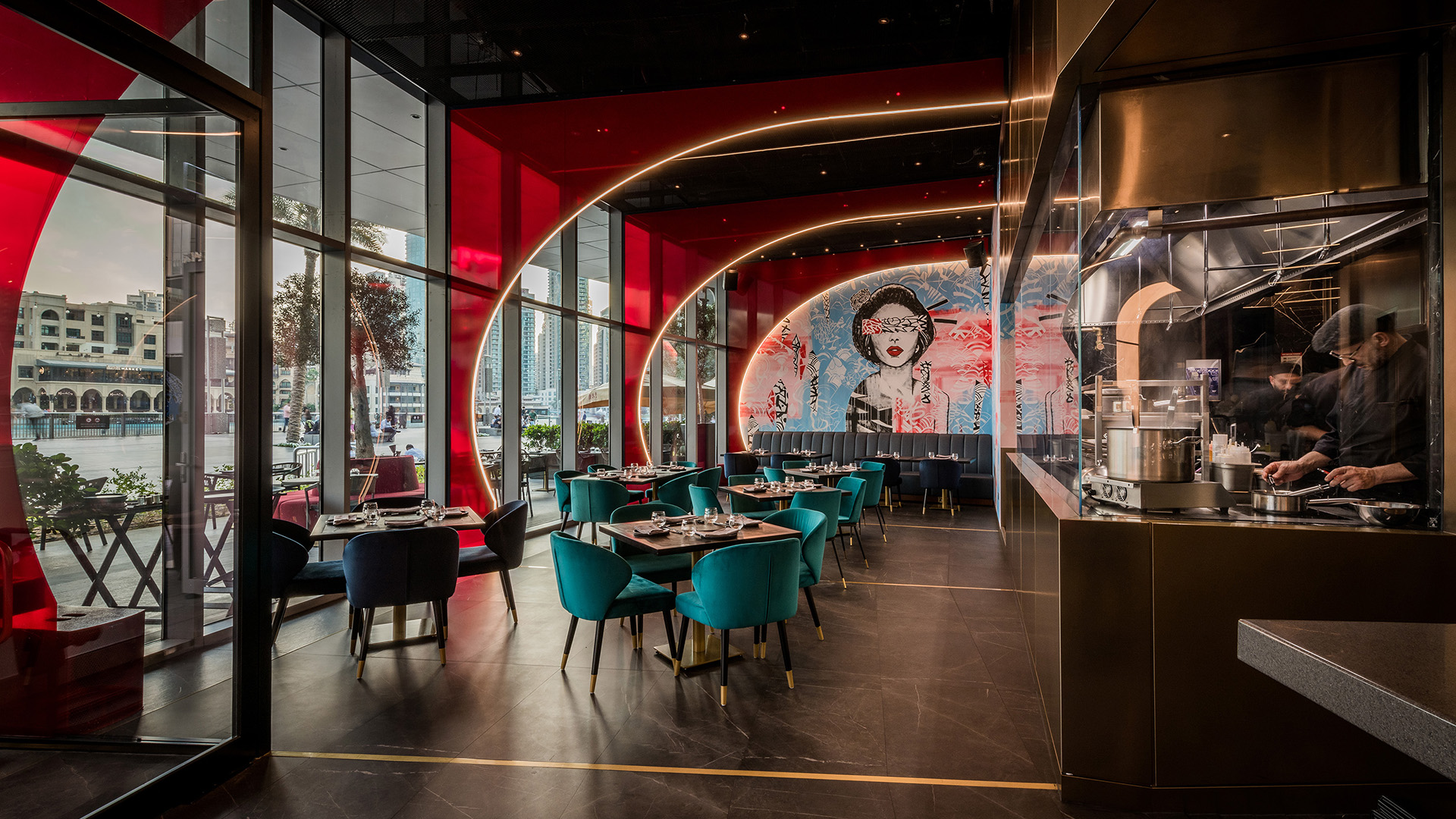
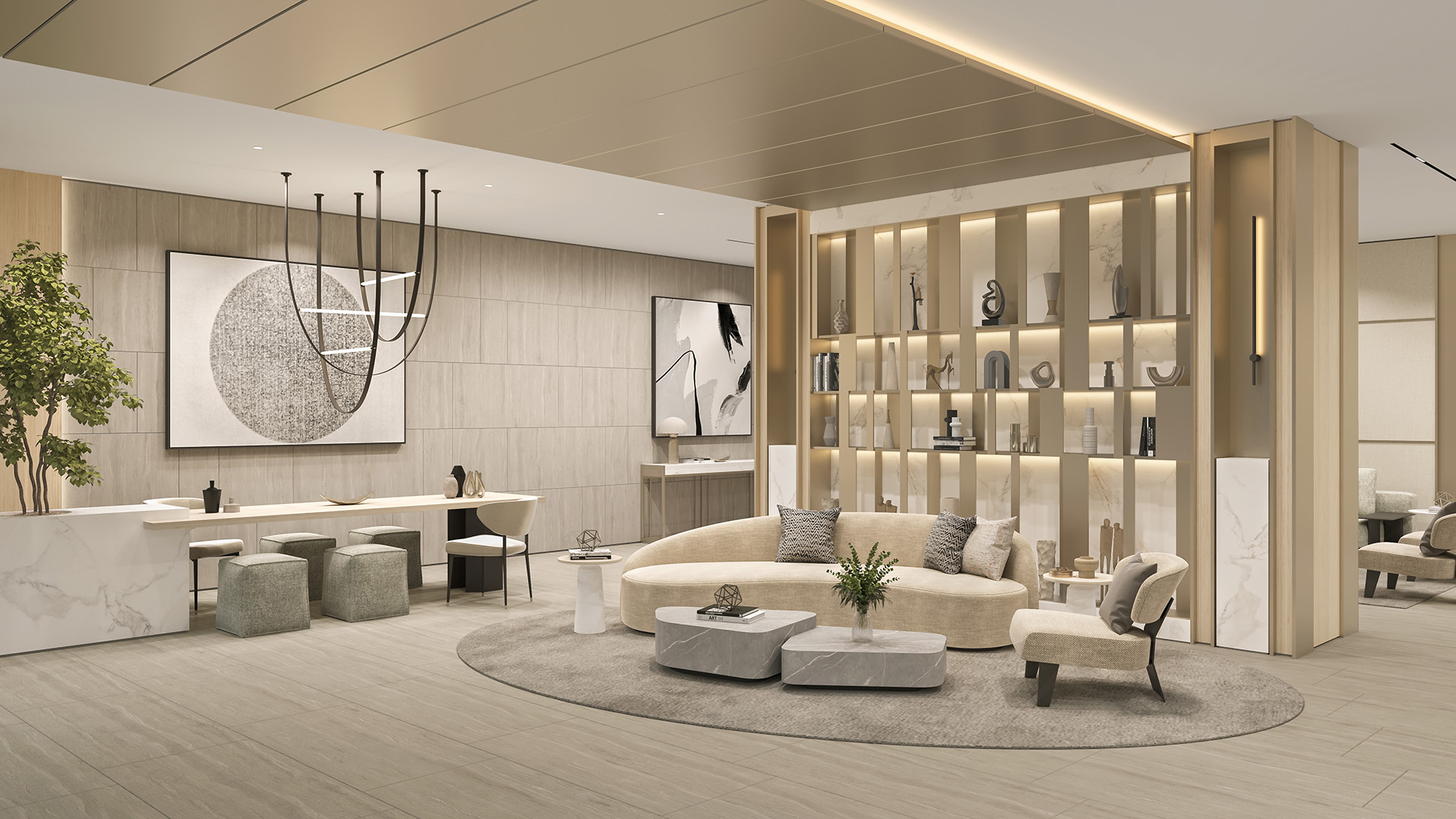
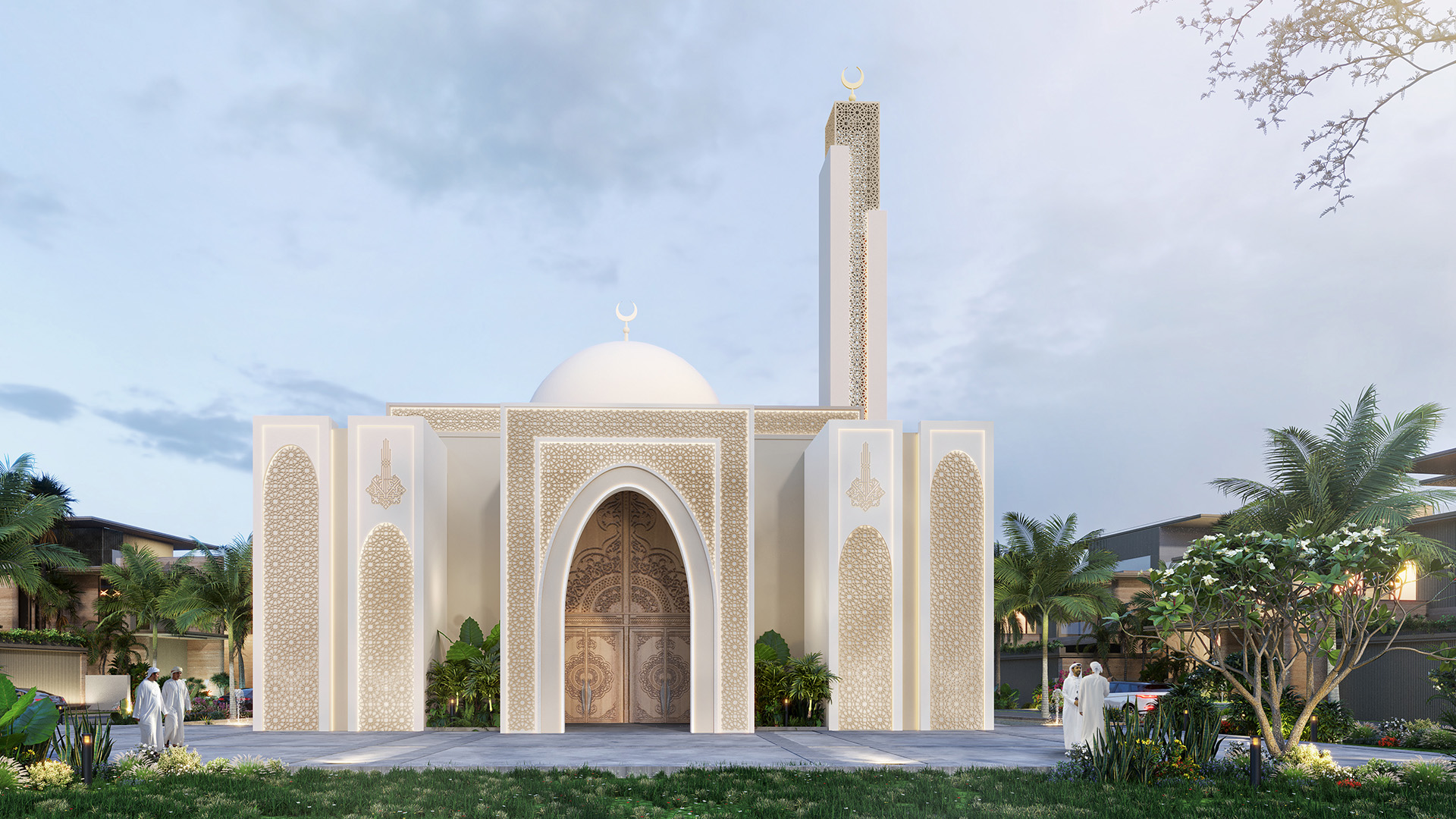
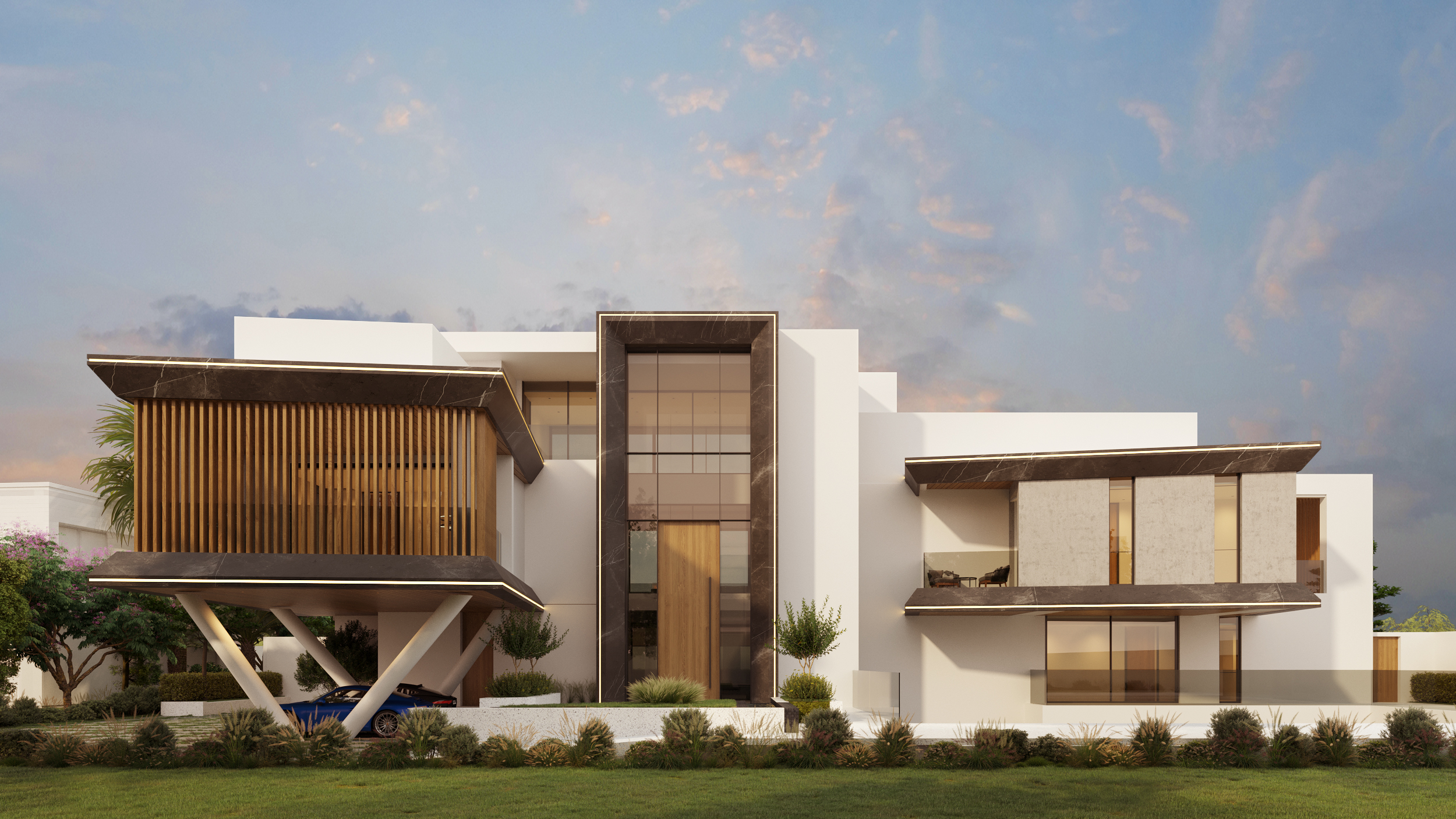
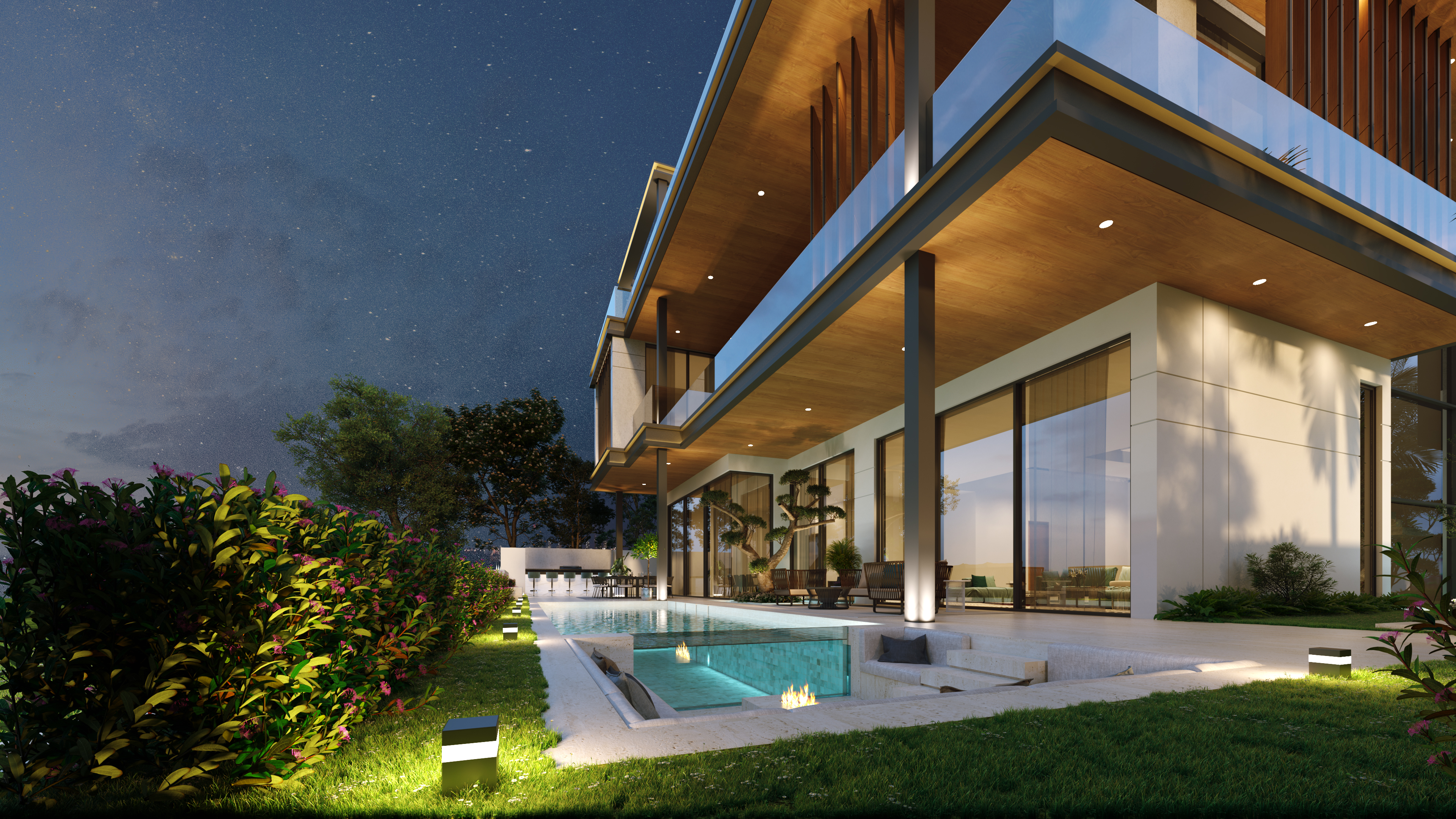
One of the greatest advantages of 3D visualisation is its capacity to provide a realistic and immersive view of a project. Unlike 2D drawings, which can sometimes leave clients guessing about the final look, 3D models offer a much clearer picture. With advanced rendering techniques, architects and visualisers can showcase details such as textures, lighting, and material finishes that closely resemble real-world conditions. This level of realism helps clients and decision-makers visualise the final outcome, creating a stronger connection to the project long before construction begins. It bridges the gap between concept and reality, turning abstract ideas into something tangible and relatable.
A Universal Language for All Involved
Architectural projects often involve a diverse group of people, including clients, contractors, and urban planners. Not everyone in this group speaks the same “language”—while architects and designers might use technical terms and complex concepts, clients may find these challenging to follow. Here’s where 3D visualisation steps in as a universal language. By translating technical designs into visually engaging presentations, 3D visualisers help everyone understand the project more fully. This shared understanding fosters clearer communication, reducing the potential for misunderstandings and ensuring that all parties are aligned on the project vision.
Enhancing Design Flexibility and Precision
A significant benefit of using 3D visualisation in the architectural process is the ability to make real-time changes. Suppose a client wants to see what a building would look like with a different façade or if the layout could be adjusted to allow more natural light. Instead of redrawing plans from scratch, a 3D visualiser can make these adjustments within the model. This flexibility allows clients to explore various design options quickly and easily, making the decision-making process smoother and more informed. In high-end architecture, where precision and personalisation are often key, this adaptability is a valuable asset.
Cost Savings Through Early Issue Detection
While investing in 3D visualisation might seem like an added expense upfront, it can actually result in substantial cost savings over the life of the project. By creating a detailed 3D model, architects and visualisers can identify potential design flaws and logistical challenges early in the process. Addressing these issues before construction begins helps avoid costly on-site changes and delays. In this sense, 3D visualisation acts as a proactive tool, allowing architects to refine designs to perfection and ensuring that projects stay on track and within budget.
Building Emotional Connections with Clients
In addition to practical benefits, 3D visualisation brings an emotional dimension to architectural presentations. When clients can see realistic renderings of their future homes, office spaces, or community buildings, they often feel a stronger emotional connection to the project. This connection can boost their excitement and confidence in the design, fostering a sense of ownership. For high-end architectural projects, which are often deeply personal and significant investments, this emotional engagement is invaluable. It turns clients into enthusiastic participants rather than passive observers, enriching their overall experience.

Elevating the Architectural Brand
Finally, the use of high-quality 3D visualisations can set an architectural firm apart in a competitive industry. When clients are considering different firms for a project, those with a portfolio of visually stunning, realistic 3D renderings can make a lasting impression. A skilled 3D visualiser doesn’t just render a building; they create a visual story that showcases the architect’s vision and creativity. This storytelling aspect can enhance a firm’s brand, highlighting its commitment to innovation, precision, and quality. For high-end projects, where reputation and brand perception are often deciding factors, investing in 3D visualisation is a powerful way to attract and retain clients.
Incorporating 3D visualisation into architectural presentations is no longer just a “nice-to-have”—it’s an essential tool in high-end architecture. By bringing designs to life with realistic detail, improving communication among those involved, enabling flexible design choices, and identifying potential issues early, 3D visualisers play a crucial role in modern architectural projects. Their work not only saves time and money but also creates memorable experiences for clients, enhancing their connection to the project. As architecture continues to push boundaries, the role of the 3D visualiser will remain central in shaping the future of architectural design.