





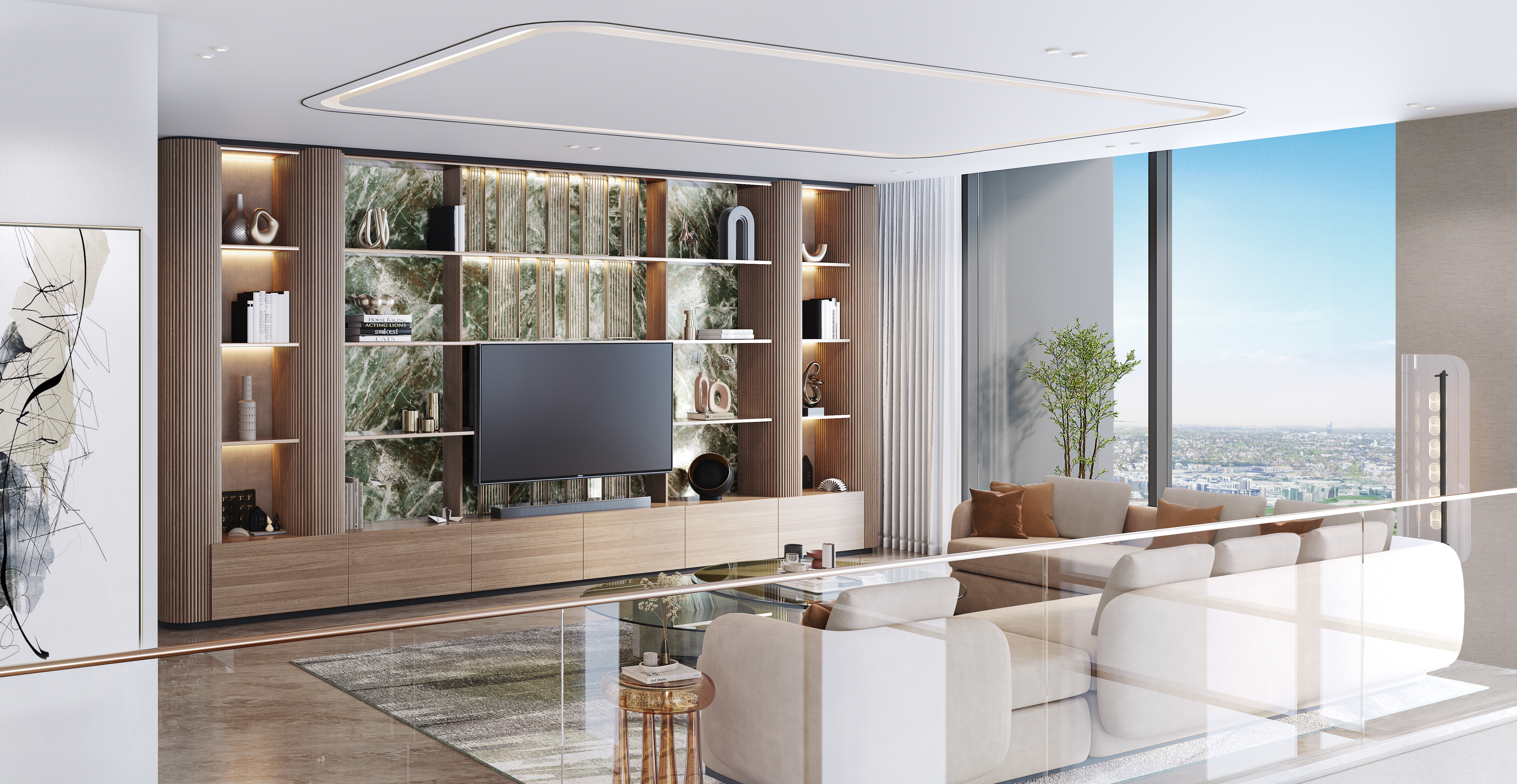
The Role of a 3D Visualiser
Showcasing Design Innovation

Noor Fareed Jagabar, 3D Visualiser
As design ideas continue to expand, 3D visualisation has become a powerful way to bring bold, imaginative concepts to life. 3D Visualisers are the creative minds who turn these concepts into captivating visuals, making them accessible and understandable for everyone involved. In this post, we’ll explore the essential role of a 3D Visualiser and how they contribute to design innovation, helping push the boundaries of what’s possible.
The Core of Design Innovation: Beyond Aesthetics
Design innovation goes beyond making things look attractive; it’s about creating solutions that are functional, sustainable, and meaningful. Whether it’s an energy-efficient building or an interactive space, innovation seeks to improve our everyday lives in practical ways. However, conveying these complex ideas through traditional methods like sketches or blueprints often falls short. This is where 3D visualisation shines, offering a dynamic and immersive way to express the full potential of innovative designs.
The Role of a 3D Visualiser in the Innovation Process
A 3D Visualiser brings a design to life, translating ideas from the abstract to the tangible. They combine artistry with technical skill to craft visuals that highlight the unique aspects of a design, making it easier for clients and collaborators to understand. Using photorealistic rendering, animation, and virtual reality, 3D Visualisers add a layer of realism that sets the design apart. In essence, they act as the bridge between a designer’s vision and a client’s understanding, giving shape and form to ideas that might otherwise remain unseen.
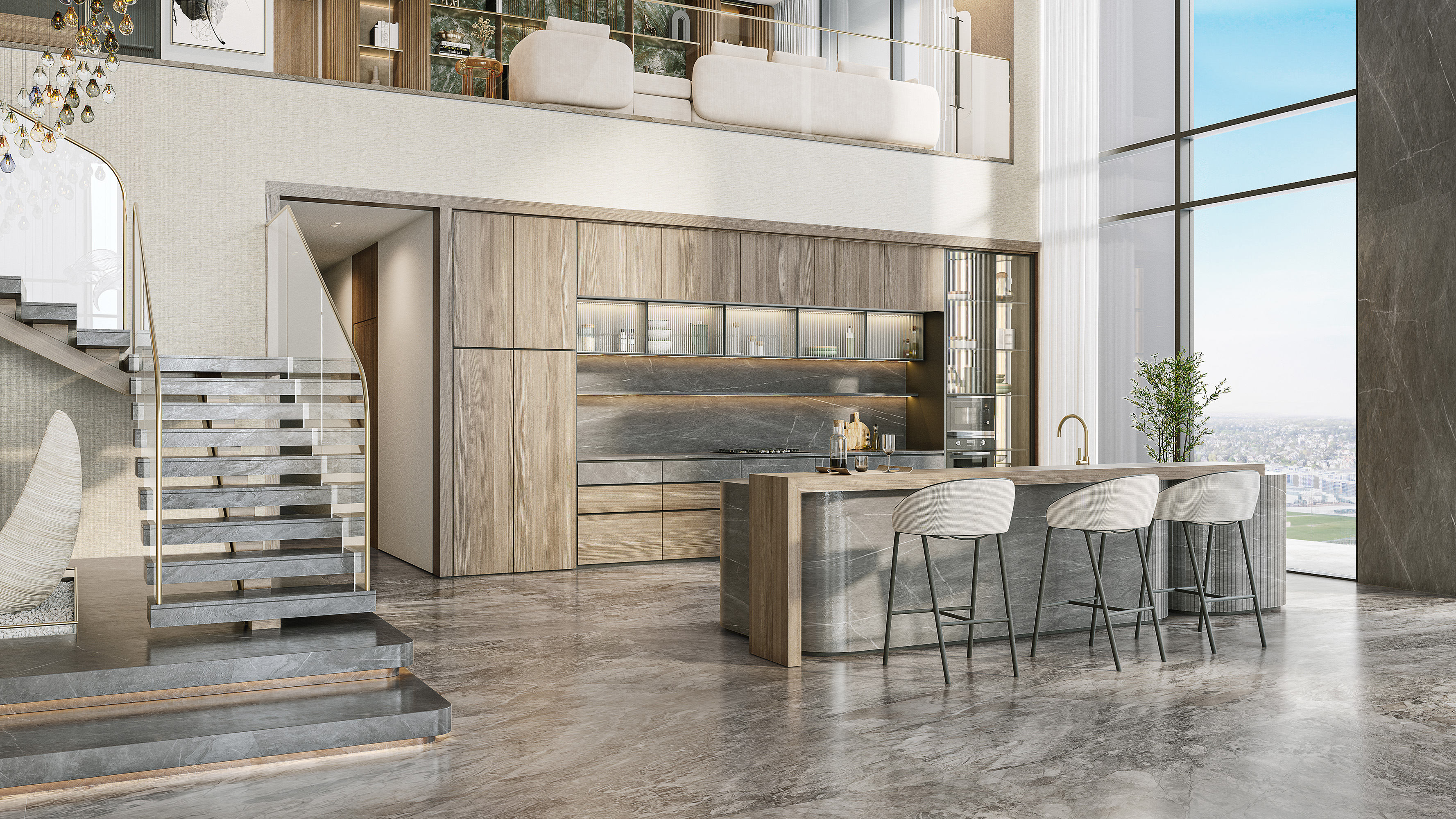
Tools and Technologies That Elevate Design Innovation
In design, innovation is as much about the tools we use as it is about the ideas themselves. Advanced technology enables 3D Visualisers to bring cutting-edge concepts to life. Virtual reality (VR) and augmented reality (AR), for instance, allow clients and collaborators to experience a design as if they were physically present within it, making even the most ambitious concepts feel real. Real-time rendering and artificial intelligence (AI) streamline the process by allowing instant adjustments, automating detail work, and speeding up the overall workflow.
Parametric design tools are another game-changer, letting designers manipulate models in real-time. This means a 3D Visualiser can demonstrate how a design might adapt to different conditions, perfect for showcasing flexible and responsive elements. With cloud collaboration platforms, designers, architects, and clients can work together seamlessly, sharing insights and feedback instantly. These technologies not only improve the process but also make it possible to explore more innovative ideas.
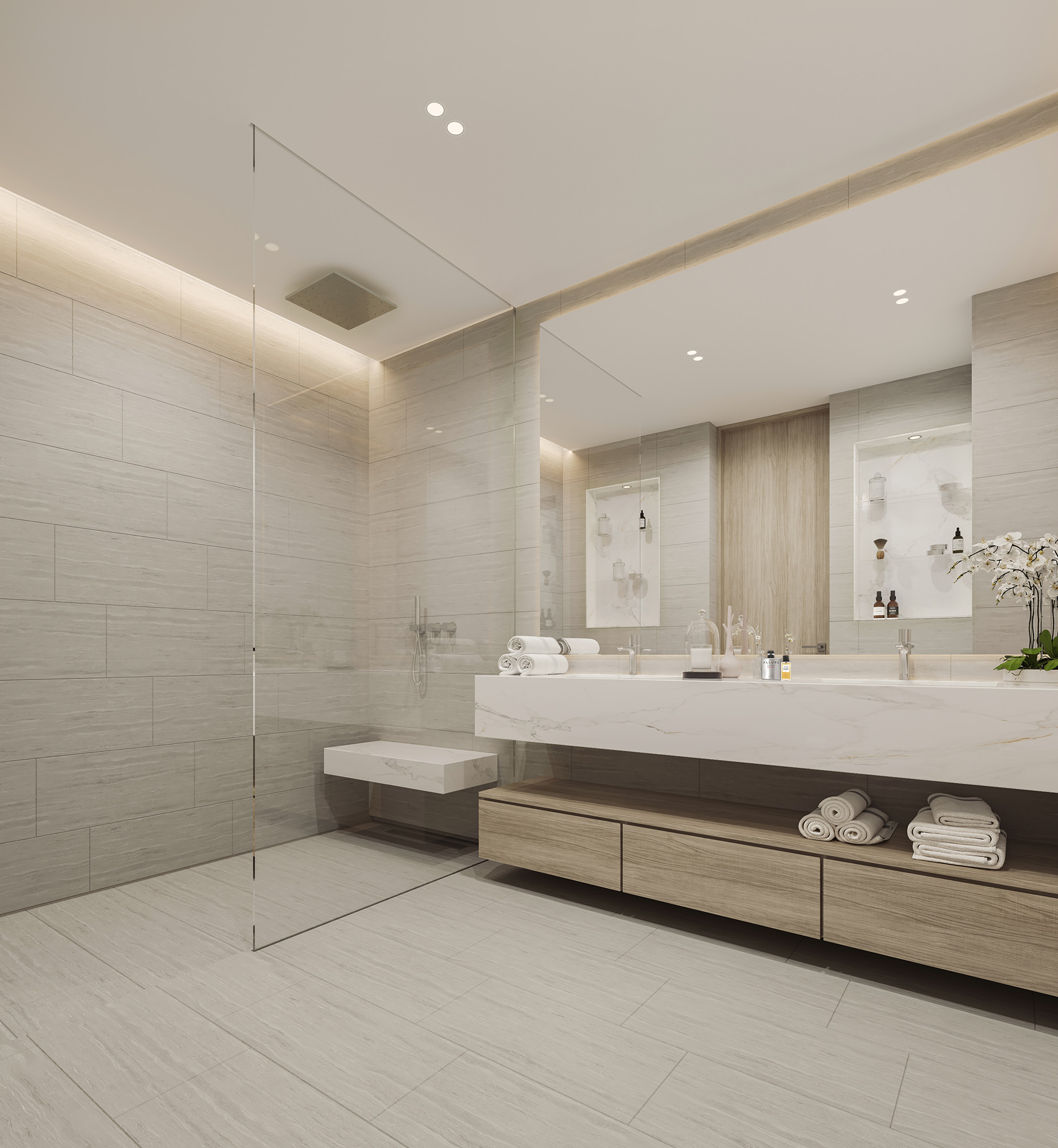
Showcasing Design Innovation with Storytelling Techniques
For a 3D Visualiser, the work is about more than just creating static images. It’s about telling the story of a design and bringing it to life in a way that resonates. Through animations, virtual walkthroughs, and interactive elements, 3D Visualisers build a visual journey that reveals a design’s features and purpose. This storytelling approach helps people connect with the design on a deeper level, allowing them to see beyond the surface.
Visuals that capture the nuances of real-world textures, lighting, and movement can evoke strong emotions, enabling clients to experience the design in a more meaningful way. This emotional connection helps clients not only understand a design’s appearance but also feel its potential. A 3D Visualiser doesn’t just show how something looks; they illustrate why it matters. For instance, an eco-friendly building concept isn’t just about a sleek exterior—it’s about sustainable materials and energy-efficient systems. This added layer of meaning helps clients fully appreciate the depth of the innovation.
Creative Applications of 3D Visualisation in Design Innovation
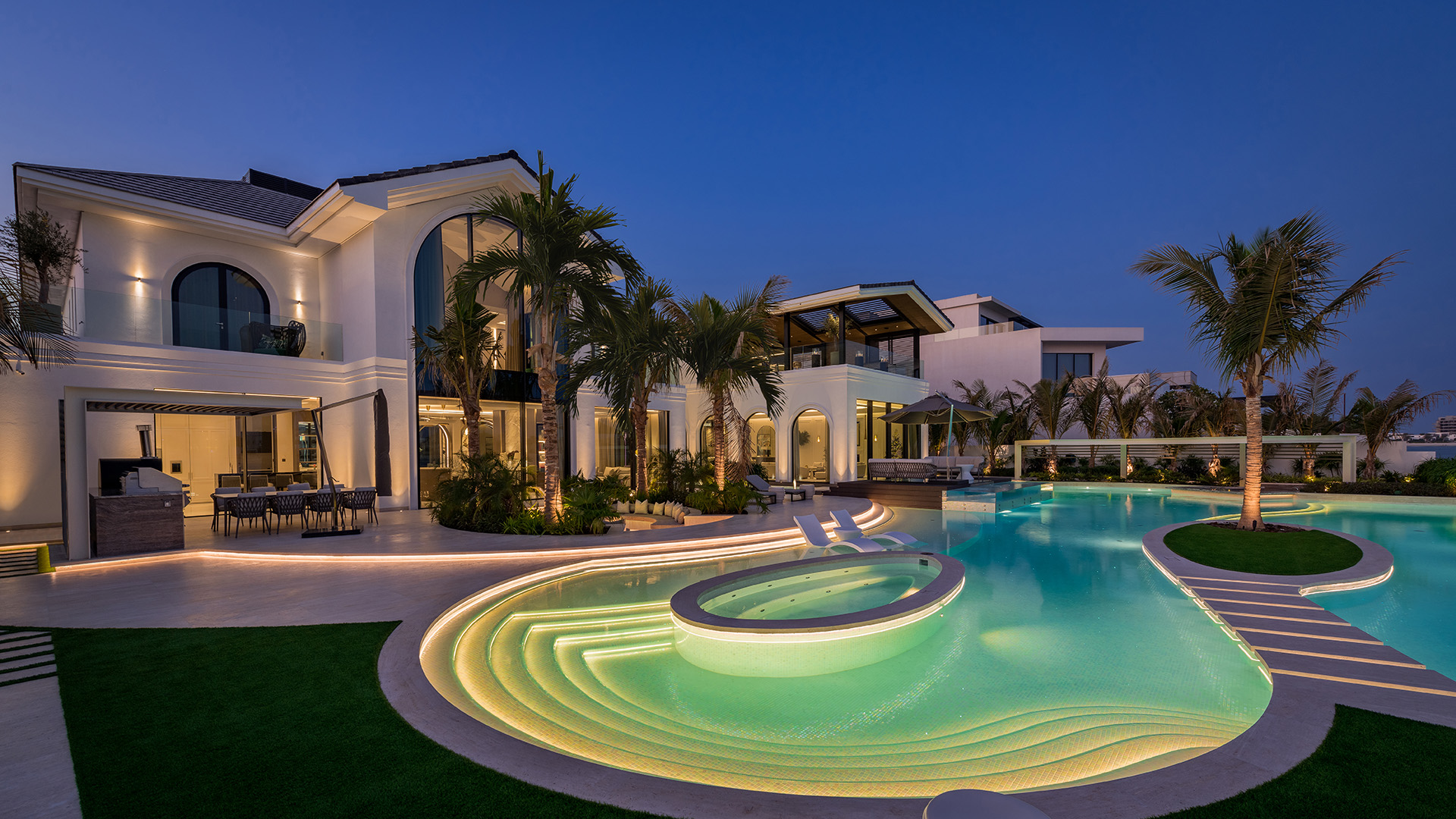
Across various fields, 3D Visualisation is making a noticeable impact by showing how innovative designs can transform spaces and experiences. In architecture and urban planning, 3D Visualisers help bring to life sustainable buildings, green technologies, and futuristic cityscapes. By creating immersive visual experiences, they allow architects to communicate ideas for spaces that are both environmentally friendly and visually compelling.
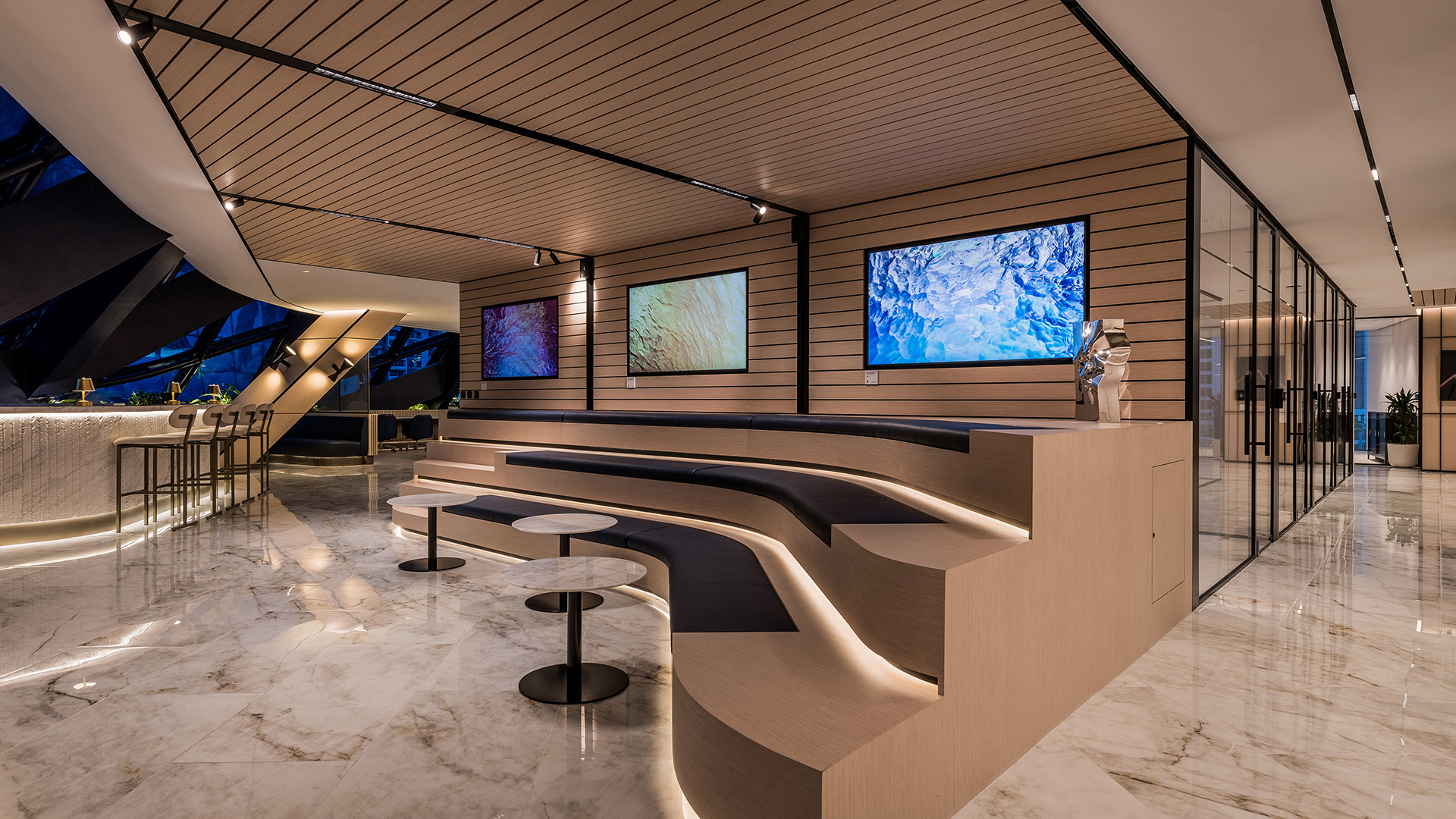
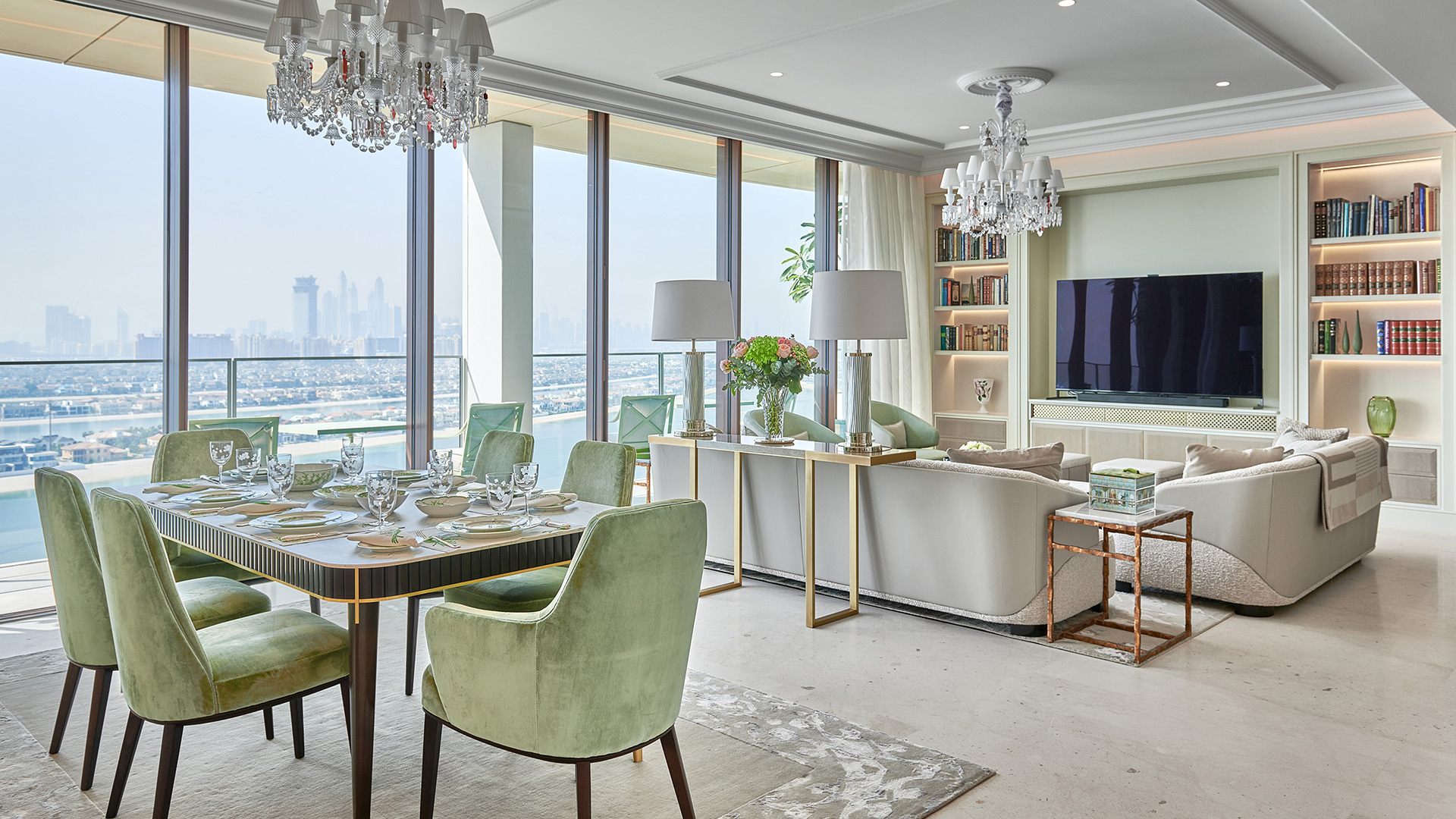
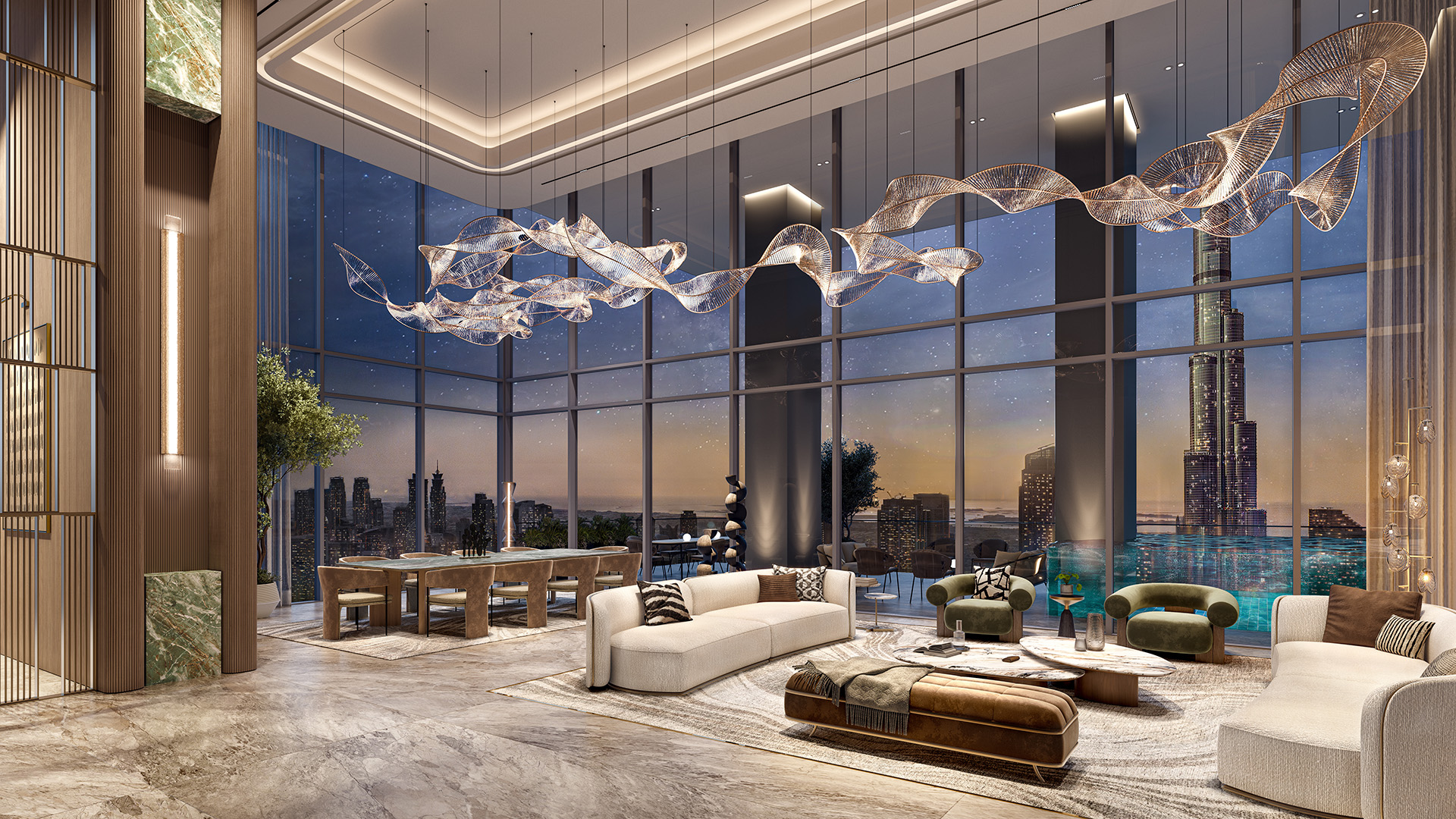
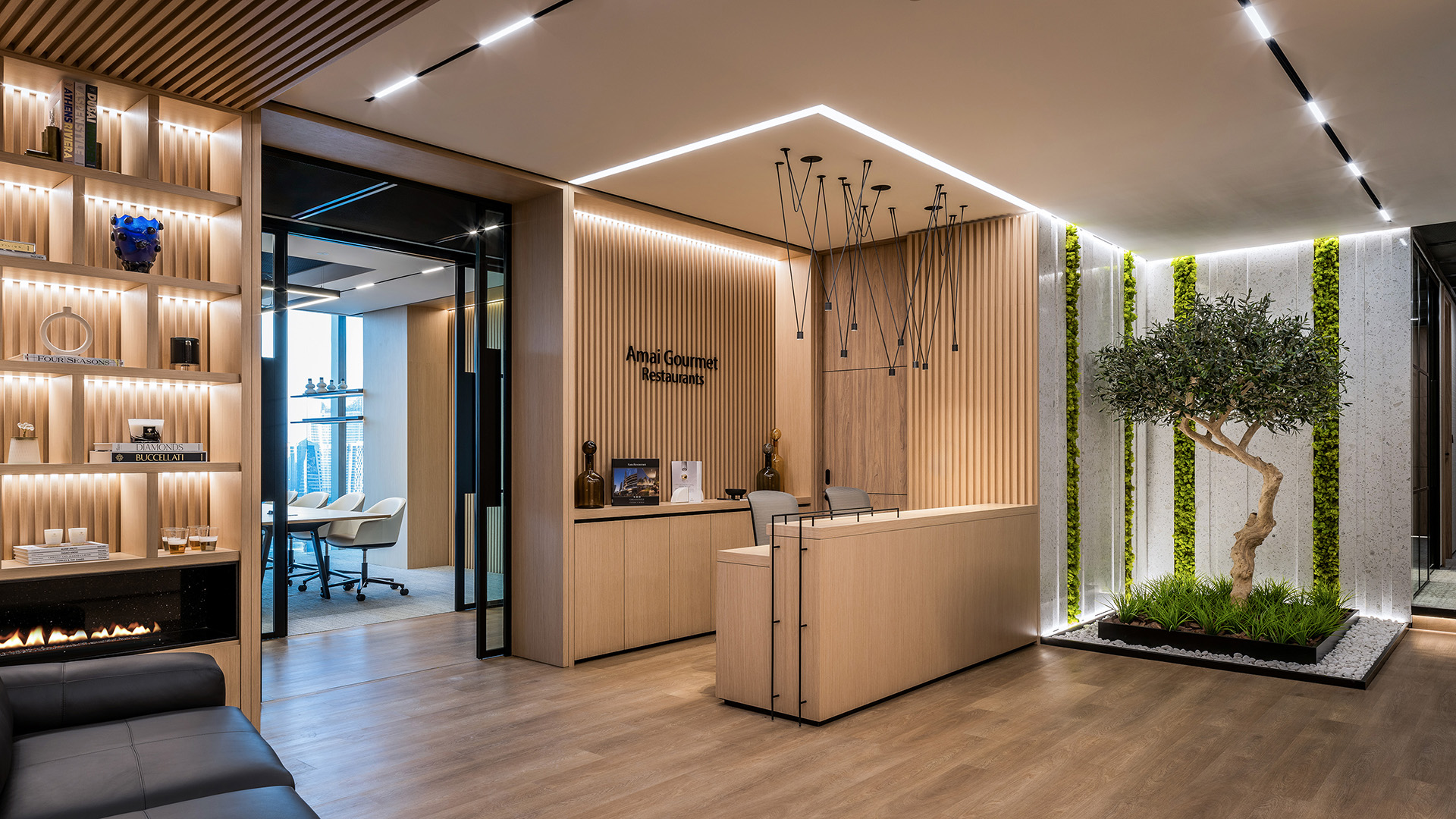
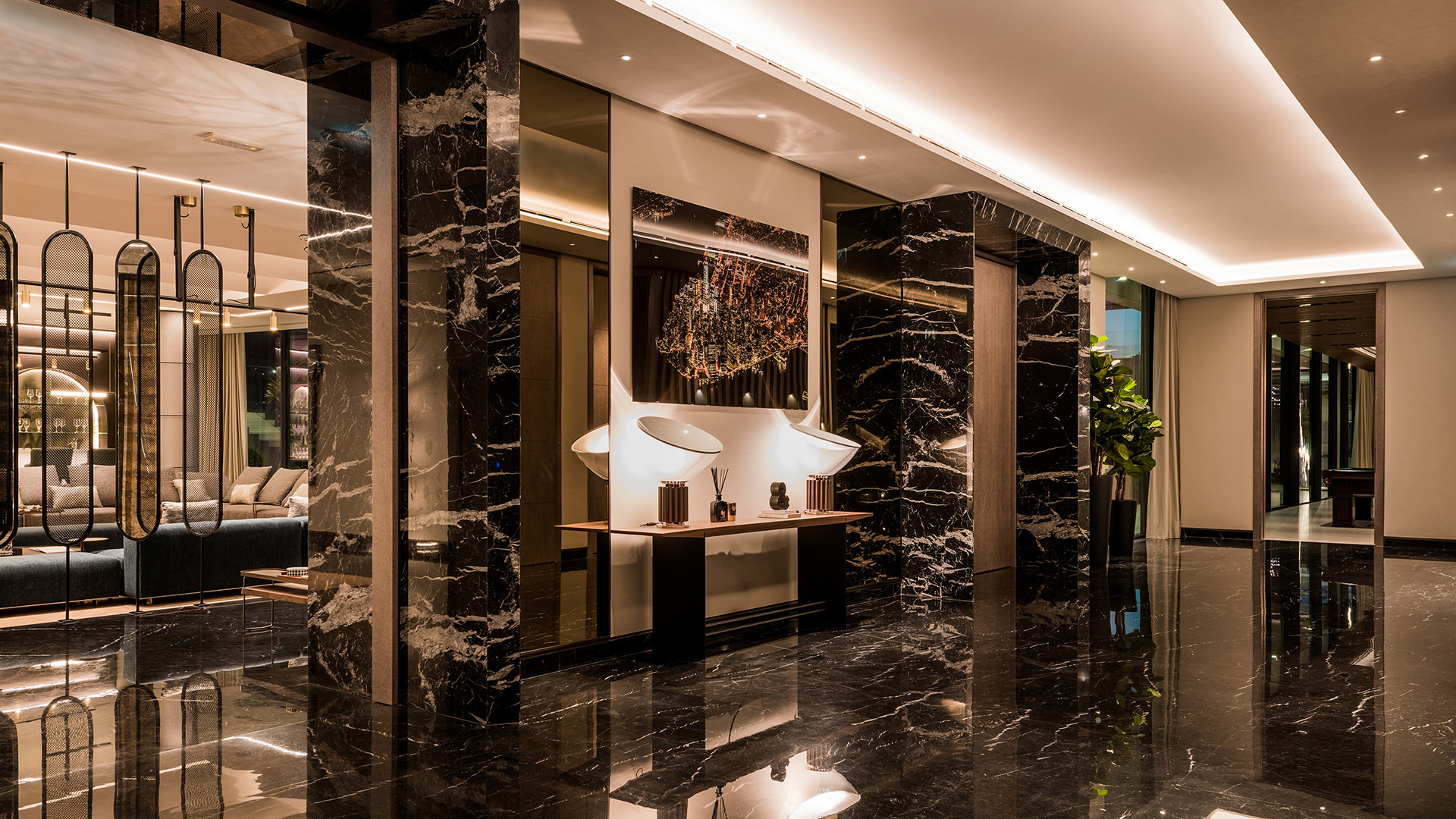
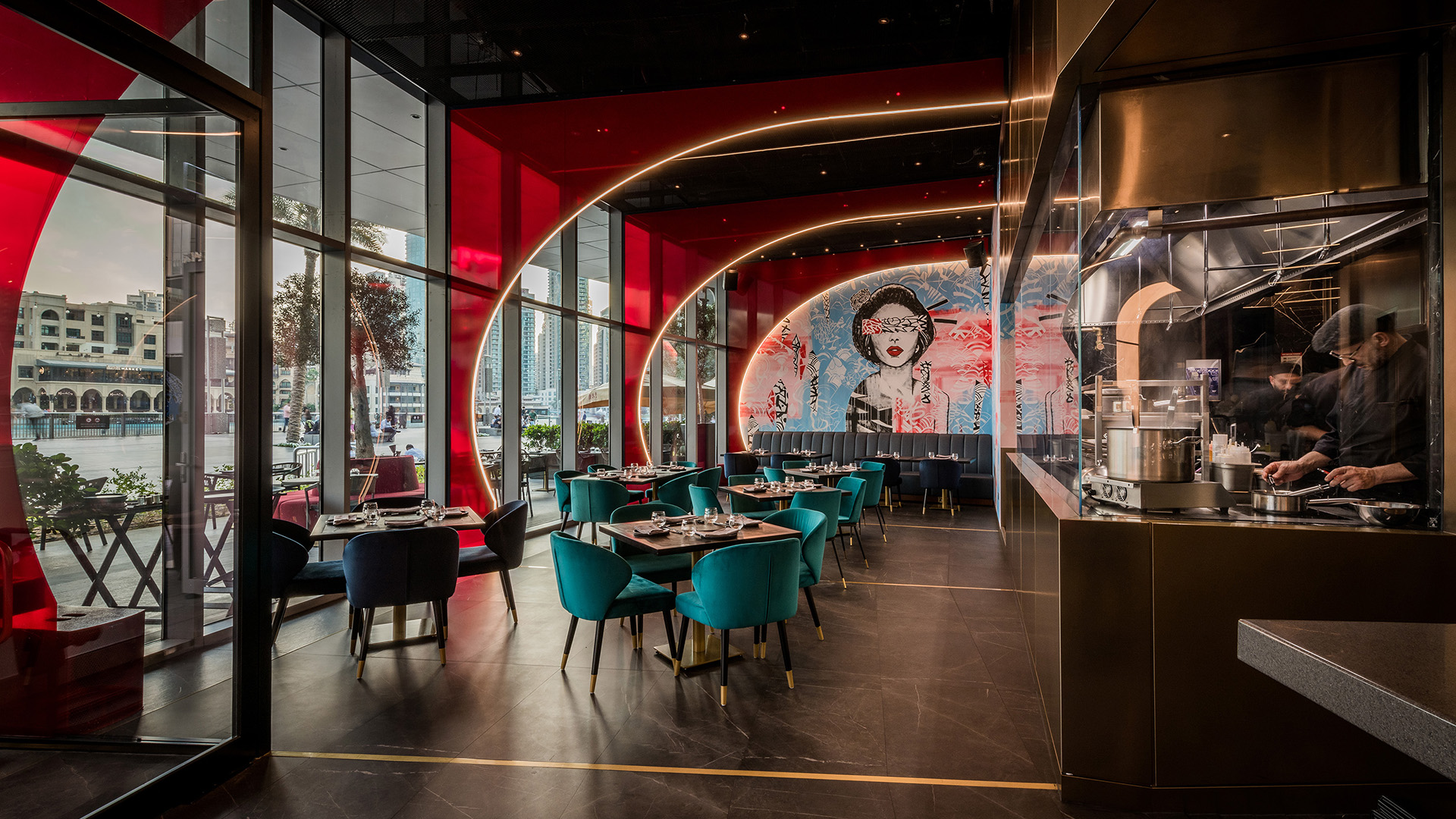
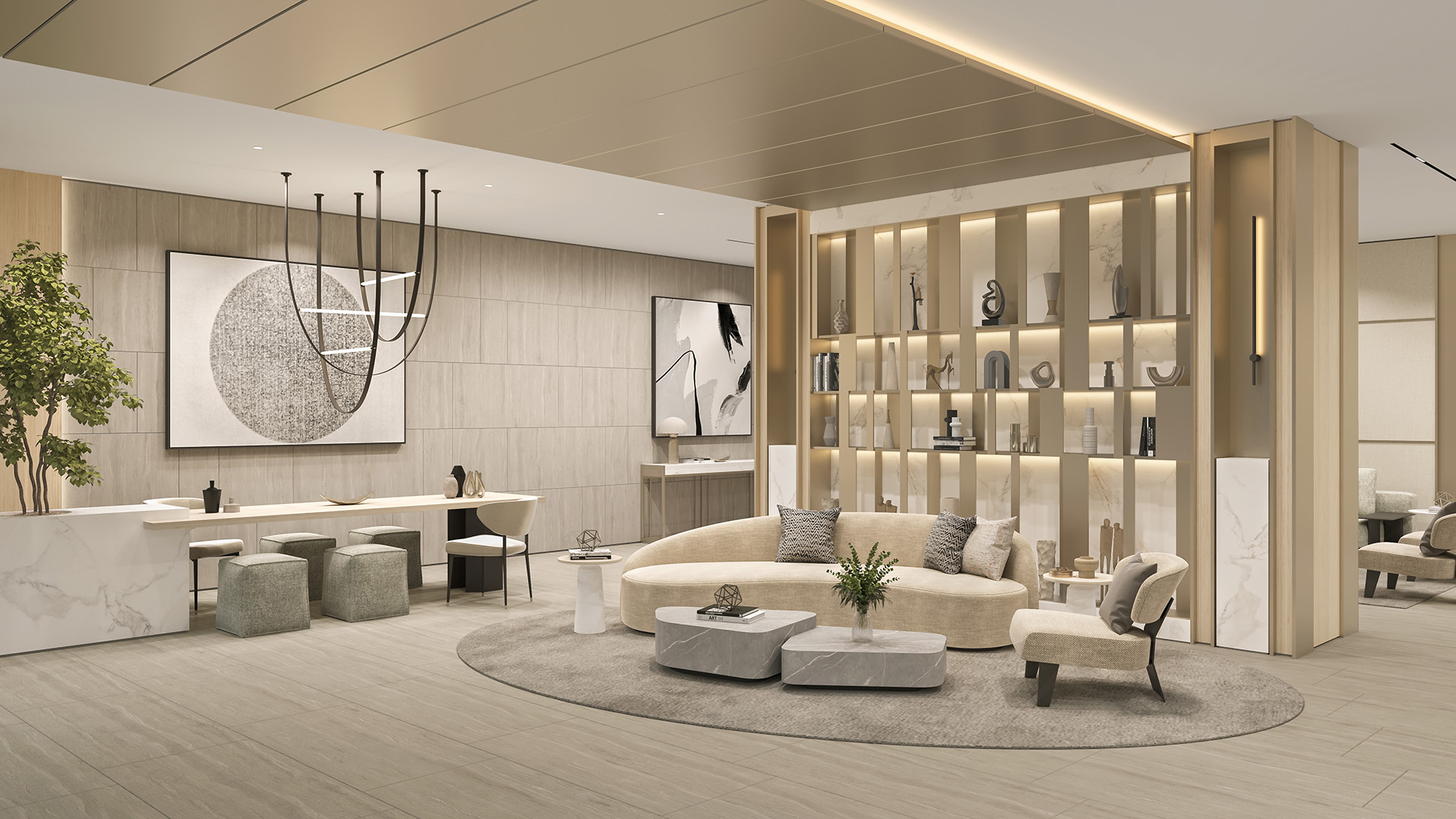
In interior design, 3D Visualisers help conceptualise spaces that are flexible and forward-thinking. From smart homes to interactive retail environments, these visualisations help clients imagine how a space will look and function before any construction begins. And in product design, 3D Visualisation is key for showcasing the latest technological advancements. Visualisers create lifelike representations of products—from concept cars to wearable tech—that highlight not only their appearance but also their potential impact on daily life.
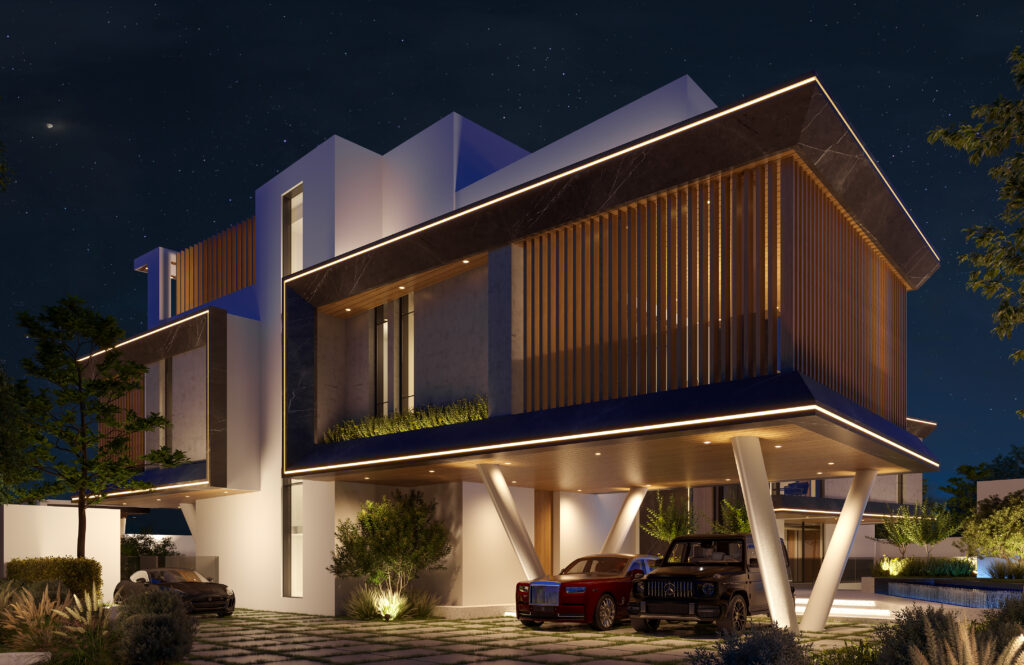
Impact of 3D Visualisation on the Design Innovation Lifecycle
Throughout the design process, 3D Visualisation provides value in a range of ways. Early on, it helps designers test and validate ideas before committing resources to physical prototypes. Seeing a design in 3D allows clients to identify areas for improvement, reducing both risks and costs. Additionally, by enabling quick adjustments based on client feedback, 3D Visualisers encourage a collaborative design process that enhances innovation and allows for fresh perspectives.
3D Visualisation offers designers a creative playground where they can experiment freely. In a virtual space, they can explore new materials, colours, and forms, encouraging bold ideas that might otherwise be left untried.
When it comes to sustainable design, 3D Visualisation lets designers test eco-friendly materials and green technology concepts without the need for physical samples, helping to support environmentally conscious innovation from the very beginning.
The Future of 3D Visualisation in Design Innovation
The future of 3D Visualisation holds even more promise for design innovation. New technologies, like AI-driven design and holographic visualisation, are already starting to reshape the way we think about design possibilities. These advancements will enable 3D Visualisers to create even more immersive and sophisticated designs, pushing the limits of what’s achievable and inviting new kinds of exploration.
Additionally, virtual and augmented reality are changing the way clients and designers interact, allowing them to collaborate in real-time. Clients can now explore and engage with designs on a deeper level, making the process more transparent and interactive. As these technologies continue to develop, 3D Visualisers will remain at the forefront of design innovation, helping to drive creativity and shape the future of the field in exciting new ways.
3D Visualisers are more than just creators of stunning images; they are visionaries who bring the future into the present. By transforming innovative concepts into visual experiences, they help bridge the gap between imagination and reality. As technology advances, their role will continue to grow, influencing design innovation and shaping the industry in ways that are both profound and inspiring.