







Architecture and Music
Uncovering Connections in Structure and Rhythm

Nikhil Jacob Ninan, Junior Architect
Both architecture and music revolve around universal principles like rhythm, harmony, and proportion, creating beauty through thoughtful design. In this post, we’ll explore how architecture and music intersect, illuminating the ways they reflect, influence, and complement each other.
“The same characteristics which please the eye also please the ear.”
- Leon Battista Alberti
At first glance, architecture and music might seem to occupy separate realms: one is made of stone and steel, grounded in physical space, while the other is crafted from sound, transient and fluid. Yet, as Alberti’s quote suggests, these two art forms share more than meets the eye – or ear.
The Harmony of Design Principles
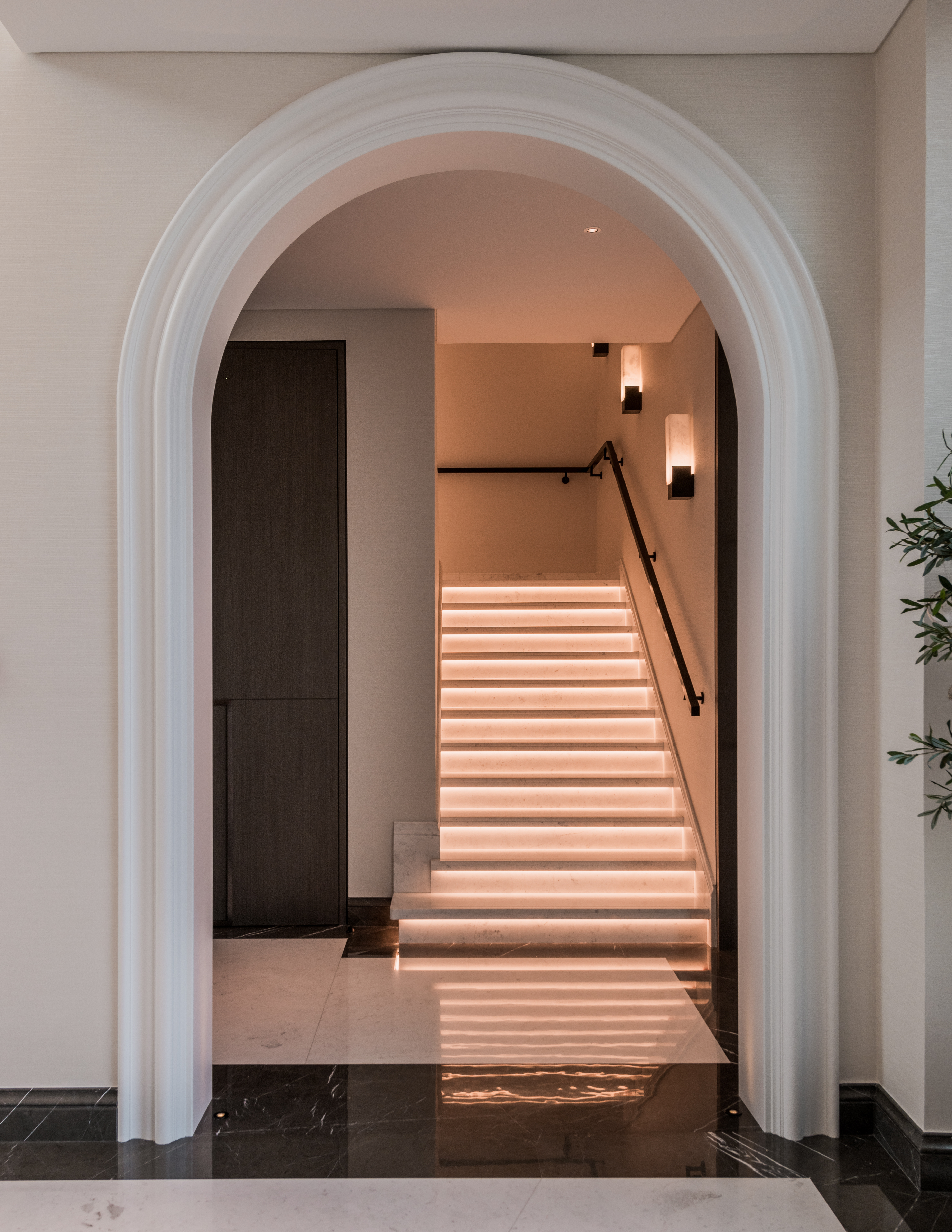
Fundamental design principles, such as rhythm, harmony, movement, and proportion, lie at the core of both architecture and music. Rhythm, for instance, emerges in architecture from the repetition of structural elements. A row of columns or a series of windows creates a visual beat, guiding the eye across the structure. Similarly, rhythm in music is the pulse that carries a piece forward, setting the pace and providing structure through a sequence of beats. In both architecture and music, rhythm establishes a sense of order and flow, one visual and the other auditory.
Harmony is another shared principle, uniting disparate elements into a unified whole. In architecture, harmony is achieved by arranging forms, colours, and textures in a balanced, aesthetically pleasing way. This balance is essential in creating a structure that resonates with viewers on a sensory level. Likewise, harmony in music is the result of blending notes and chords into a cohesive sound, resonating with listeners. A well-designed building and a well-composed piece of music both achieve harmony by uniting diverse elements into a unified, balanced experience.
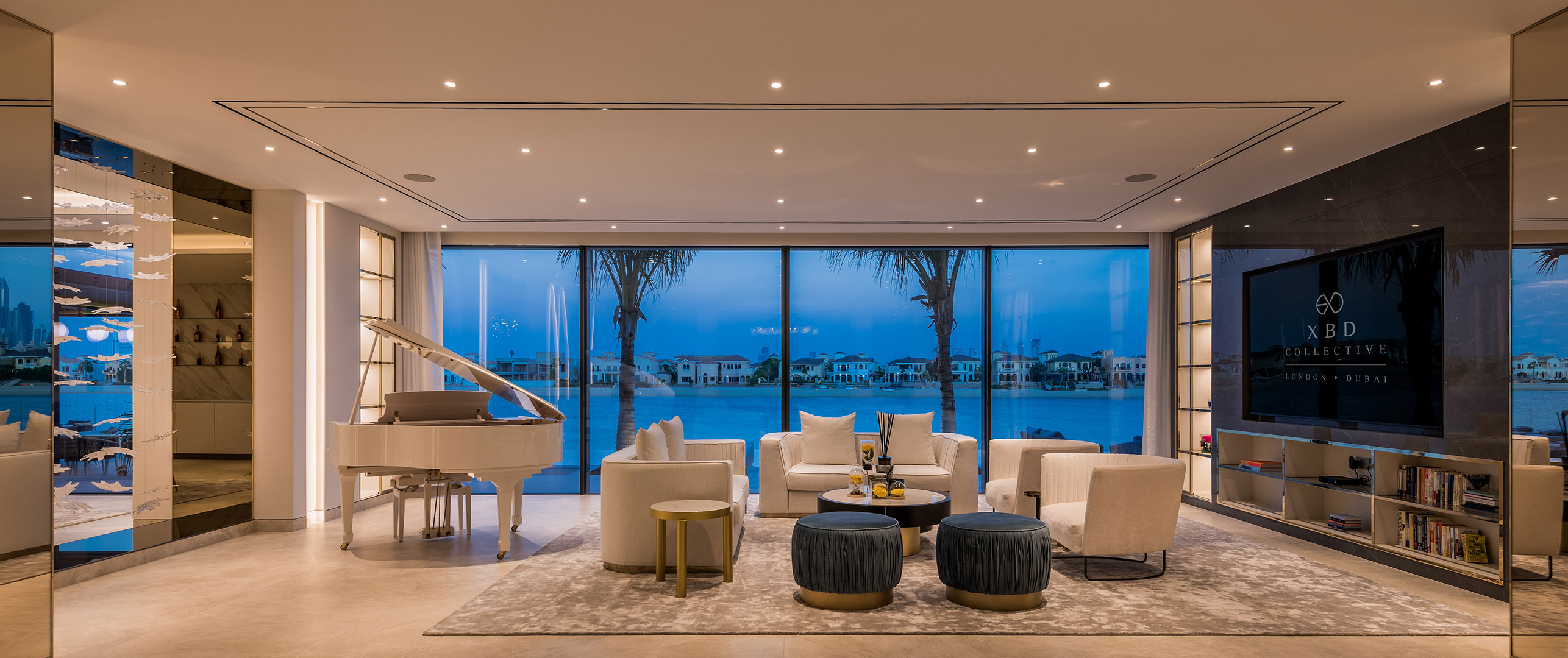
Movement is also present in both art forms. In architecture, movement is felt as we navigate through or around a space, observing how one room flows into the next or how a facade changes with the viewer’s perspective. In music, movement unfolds over time as one note leads to the next, creating a narrative progression. Just as a building can reveal new facets when viewed from different angles, a piece of music can surprise and delight as it transitions through different sections and phrases.
Proportion and scale, essential to both architecture and music, ensure that each element relates harmoniously to the whole.
Architectural proportions are often grounded in mathematical ratios, such as the Golden Ratio, which has informed the design of iconic structures for centuries. Similarly, music uses mathematical relationships between notes to create intervals, which in turn form the foundation of harmony. This shared reliance on mathematical principles speaks to the universality of beauty and balance in both visual and auditory realms.
Expressing Emotion through Space and Sound
Both architecture and music have the remarkable ability to evoke powerful emotions. A grand cathedral with towering arches and stained-glass windows, for instance, can inspire a sense of awe, enhanced by the way the space amplifies sound and light. This experience is mirrored in music; a symphony or choral arrangement, through its sheer scale and complexity, can inspire feelings of reverence and wonder. Architecture and music both immerse us in environments that are carefully crafted to evoke emotion, whether they are made of stone or sound.
In music, the difference between major and minor scales can drastically alter the mood of a piece. Major chords are often associated with joy and brightness, while minor chords evoke sadness or introspection. A similar effect can be observed in architecture. Consider the difference between a sunlit atrium and a dark, enclosed corridor. The open, illuminated space evokes freedom and optimism, while the dim corridor may feel introspective or even foreboding. By manipulating space, light, and materials, architects evoke emotions just as musicians do by manipulating sound.
The interaction between architecture and music can amplify these emotional effects. Places of worship, for example, are often designed with acoustics in mind, enhancing the sound of hymns and chants. In such spaces, architecture becomes not just a visual backdrop but an instrument that shapes the auditory experience, blending sight and sound to create an emotional impact.
Drawing Inspiration Across Mediums
The interplay between architecture and music allows each art form to draw inspiration from the other. Architects can find inspiration in musical compositions, translating the rise and fall of a melody into the physical form of a building. A concert hall, for instance, might mimic the sweeping lines of a musical composition, with curves and undulating forms that reflect the dynamics of the music performed within its walls. Likewise, musicians can draw from the structural forms of architecture to influence their compositions. A musician might translate the towering spires of a Gothic cathedral into a grand, ascending melody, or the symmetry of a Neoclassical building into a precisely structured piece of music.
By translating the essence of one art form into the language of the other, architects and musicians push the boundaries of their crafts. This cross-pollination of ideas encourages creative experimentation, leading to works that resonate on multiple sensory levels. The result is an expanded vocabulary for both art forms, allowing them to explore new forms of expression.
The Mathematical Connection
The link between architecture and music is further strengthened by their shared foundation in mathematics, a concept that dates back to ancient Greece. Pythagoras discovered that musical intervals correspond to simple numerical ratios, such as 1:2 for an octave or 3:2 for a perfect fifth. These ratios form the basis of musical harmony and have also influenced architectural proportions. For example, the ratio of a building’s width to its height might follow the same mathematical principles that govern musical intervals, creating a sense of balance and beauty that resonates with the human sense of order.
Modern architects continue to draw on these mathematical principles. Concert halls, for instance, are often designed with acoustics in mind, allowing sound to travel in ways that enhance the musical experience. By carefully controlling proportions and materials, architects create spaces that not only look beautiful but also sound harmonious. This blend of architectural design and musical theory results in spaces where visual and auditory elements are in perfect balance.
“If music is flowing architecture, architecture is frozen music.”
- Johann Wolfgang von Goethe
Architecture and music, though seemingly distinct, share a common language of rhythm, harmony, and proportion. Both are expressions of human creativity, shaped by mathematical principles and driven by a desire to evoke emotion. While one is solid and tangible and the other is fleeting and abstract, both remind us that beauty is a universal concept, transcending medium and connecting us through the shared language of art.
As long as we seek to express ourselves, architecture and music will continue to inspire and mirror each other. Whether you’re walking through a grand hall or listening to a symphony, remember that these art forms are not so different after all – they are simply two sides of the same coin, each capturing a unique aspect of the human experience.