



Creating Transformative Spaces
The Fusion Of Function, Art, And Light

Noha Khaled, Interior Designer
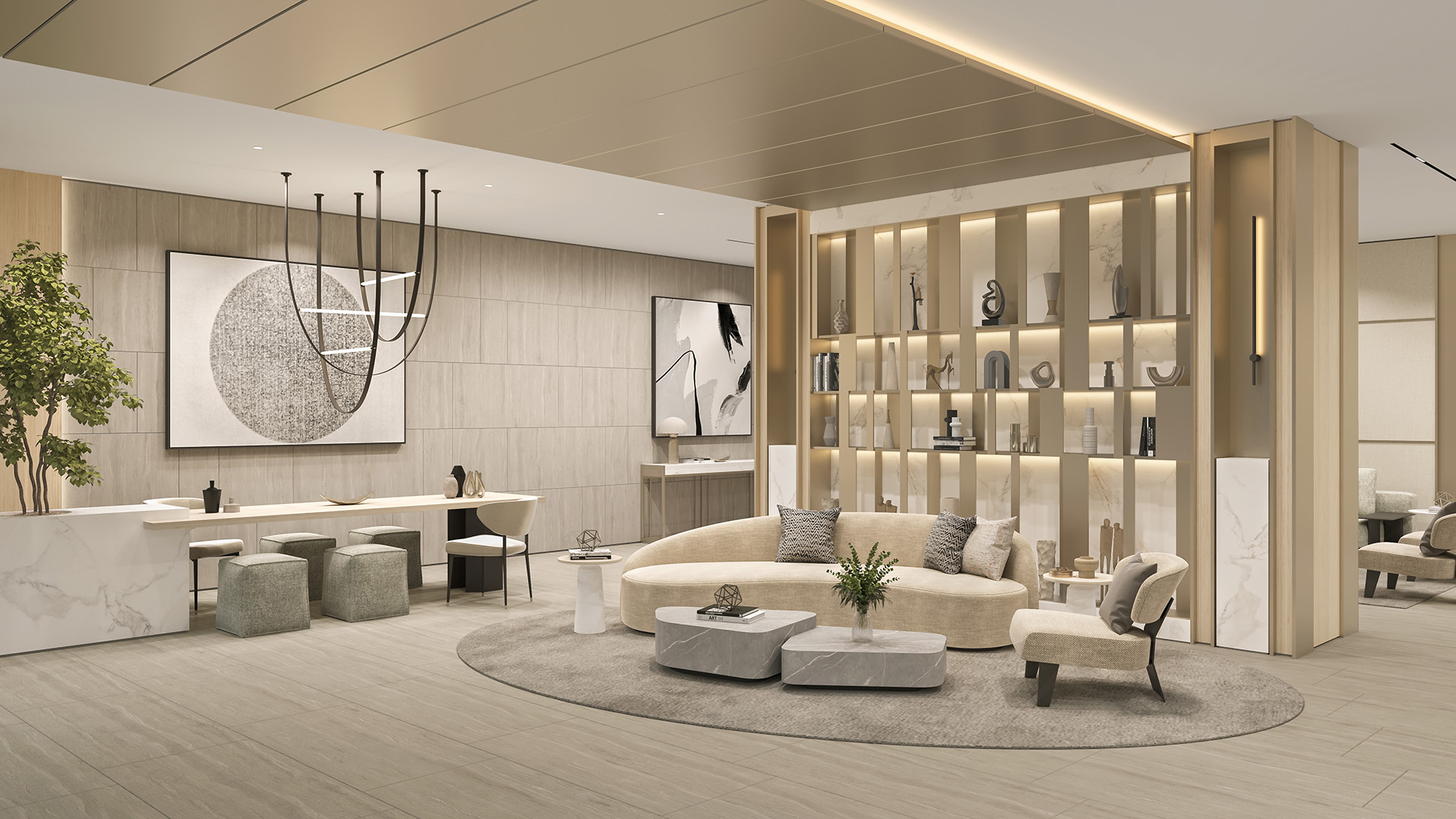
Interior design is a discipline that transcends mere aesthetics; it is a careful balance of art and function, with the ultimate goal of enhancing the lives of those who inhabit the space. As an interior designer with an architectural background, my design philosophy is rooted in creating environments that seamlessly blend form and function, with particular attention to human scale, functionality, and the power of art. Additionally, one of the most transformative elements of any space is lighting, a tool that can shape ambiance, highlight architectural features, and bring the overall design to life.
In this blog, we explore how these key elements: scale, functionality, art, and lighting, work together to create interiors that not only look beautiful but also enhance the human experience in meaningful ways. From thoughtful design choices that align with the way people interact with their environments to the subtle influence of light and art, successful interior design is about crafting spaces that are both practical and inspiring.
Designing Spaces that Elevate the Human Experience: The Intersection of Scale, Functionality, Art, and Lighting
As an interior designer with an architectural background, my design philosophy revolves around creating spaces that enrich the user experience while thoughtfully interacting with the human scale and maintaining functionality. However, another key element that often goes overlooked is lighting, which, much like art, can significantly elevate a design by setting the mood, highlighting architectural features, and enhancing the overall ambiance.
Human-Centered Design: The Importance of Scale
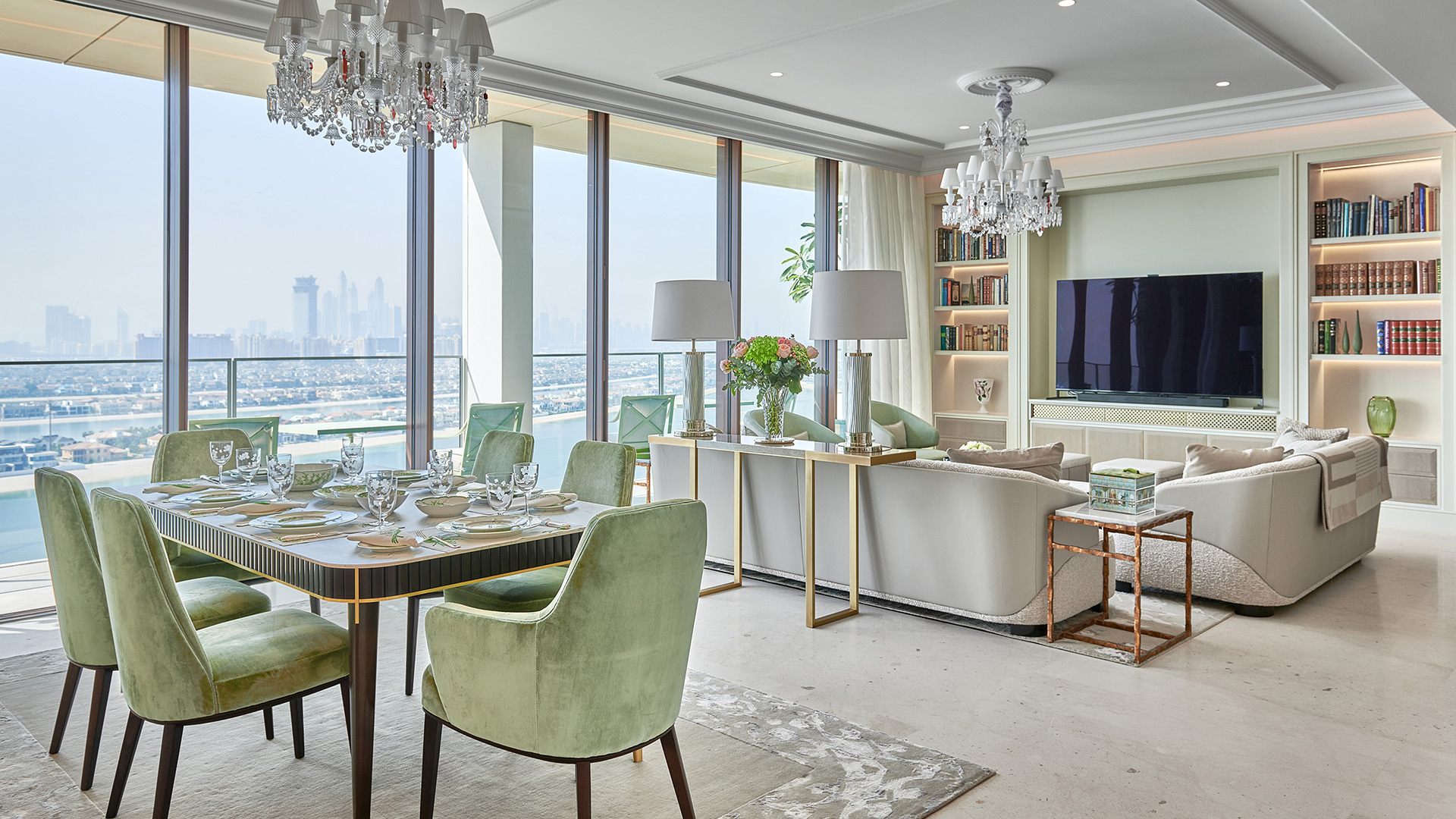
When designing for the human scale, it is essential to think about how people interact with their environment, and lighting plays a huge part in that interaction. Ambient lighting, for example, should provide enough illumination to ensure safety and comfort, while task lighting supports specific activities like reading, cooking, or working.
By tailoring lighting to the human experience, we ensure that the scale of the room is functional for day-to-day life. Well-placed lighting fixtures, whether they are overhead, wall-mounted, or integrated into the furniture, ensure that a space feels both practical and welcoming.
Functionality: Lighting as a Tool
While lighting can enhance a room's aesthetics, it also serves a deeply functional role. In design, we categorise lighting into three types: ambient, task, and accent lighting.
Each has its purpose:
• Ambient lighting provides general illumination, allowing people to move through the space easily.
• Task lighting is more focused and used for specific functions, like a desk lamp or under-cabinet lighting in the kitchen.
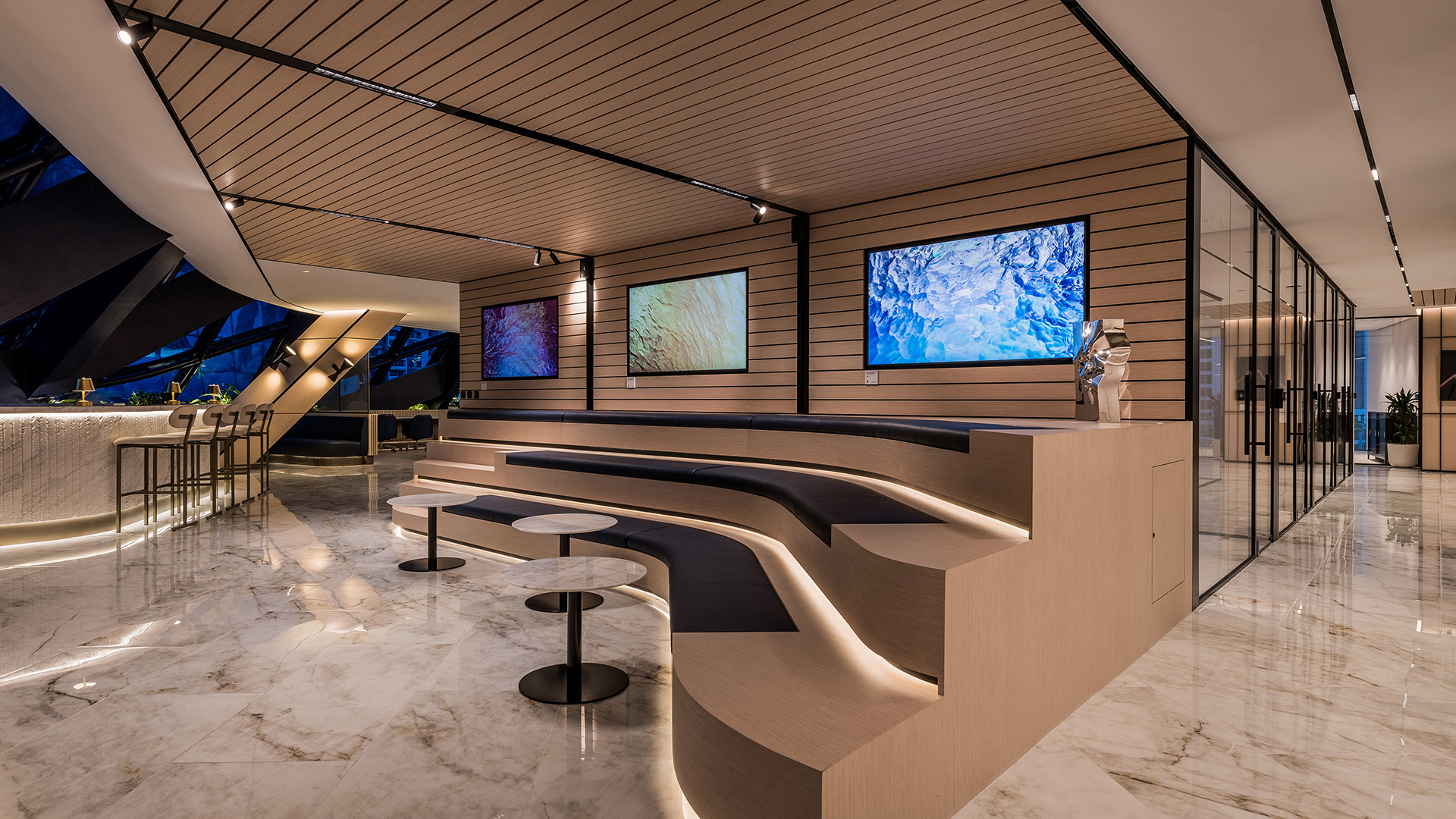
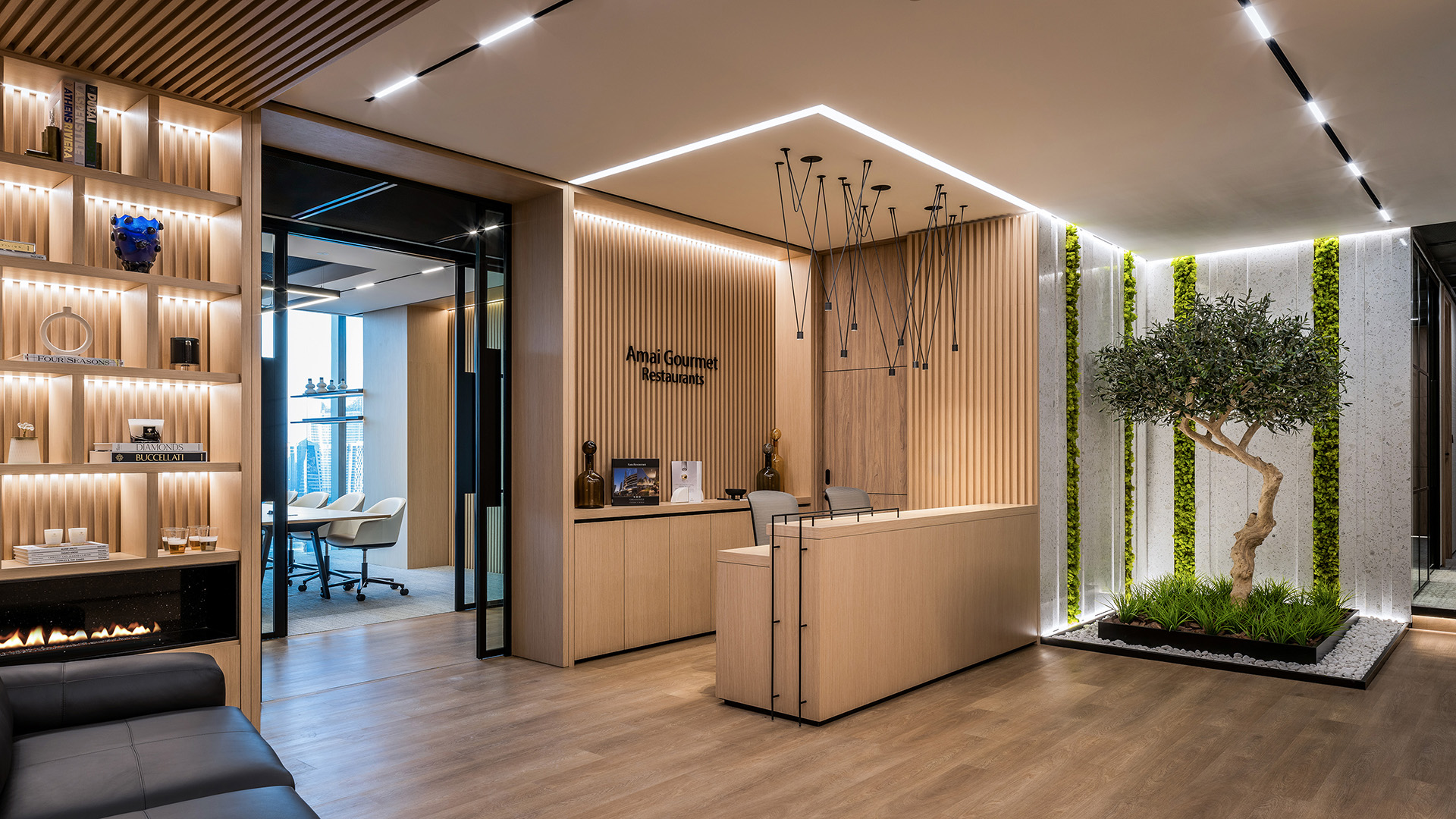
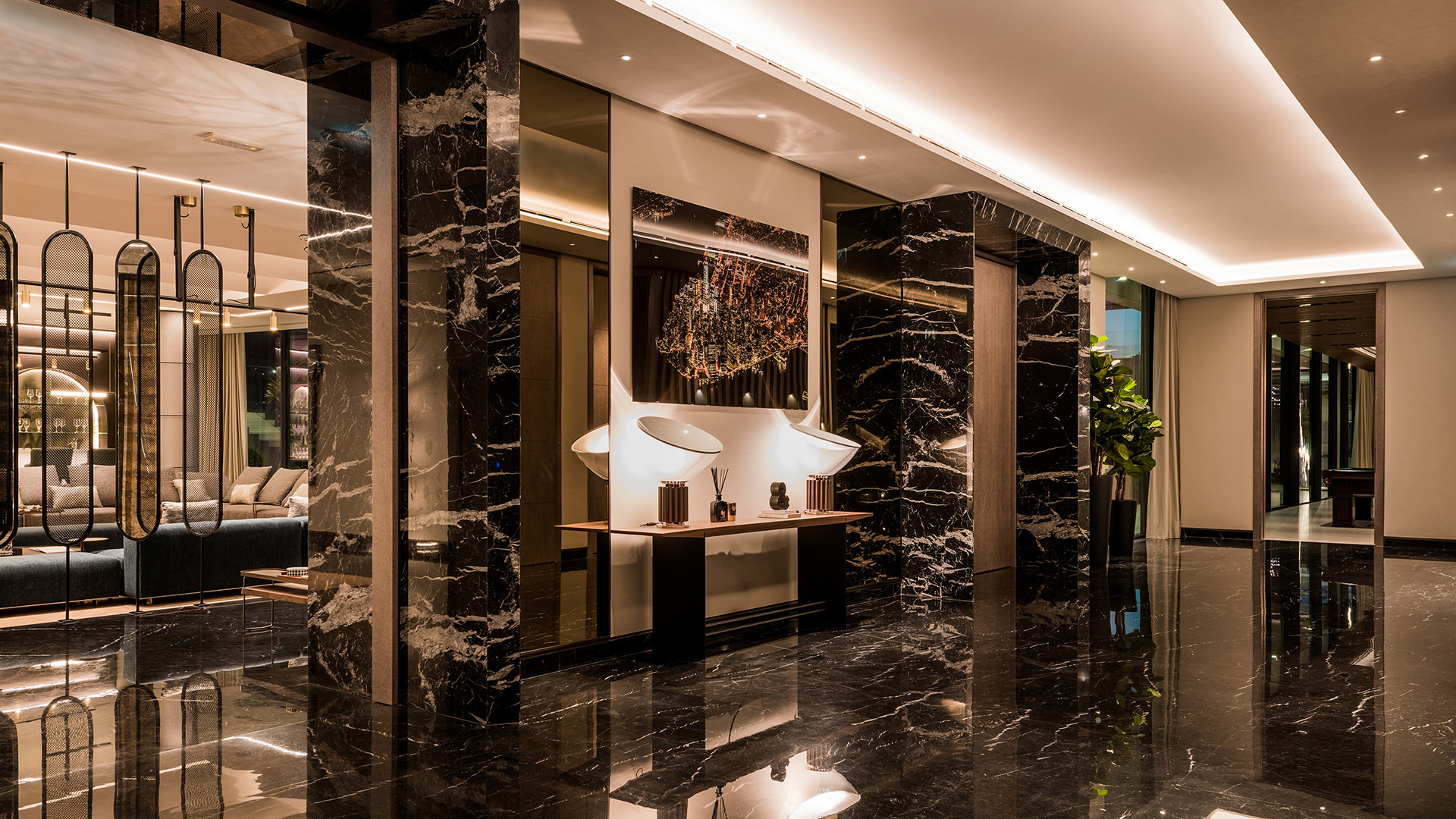
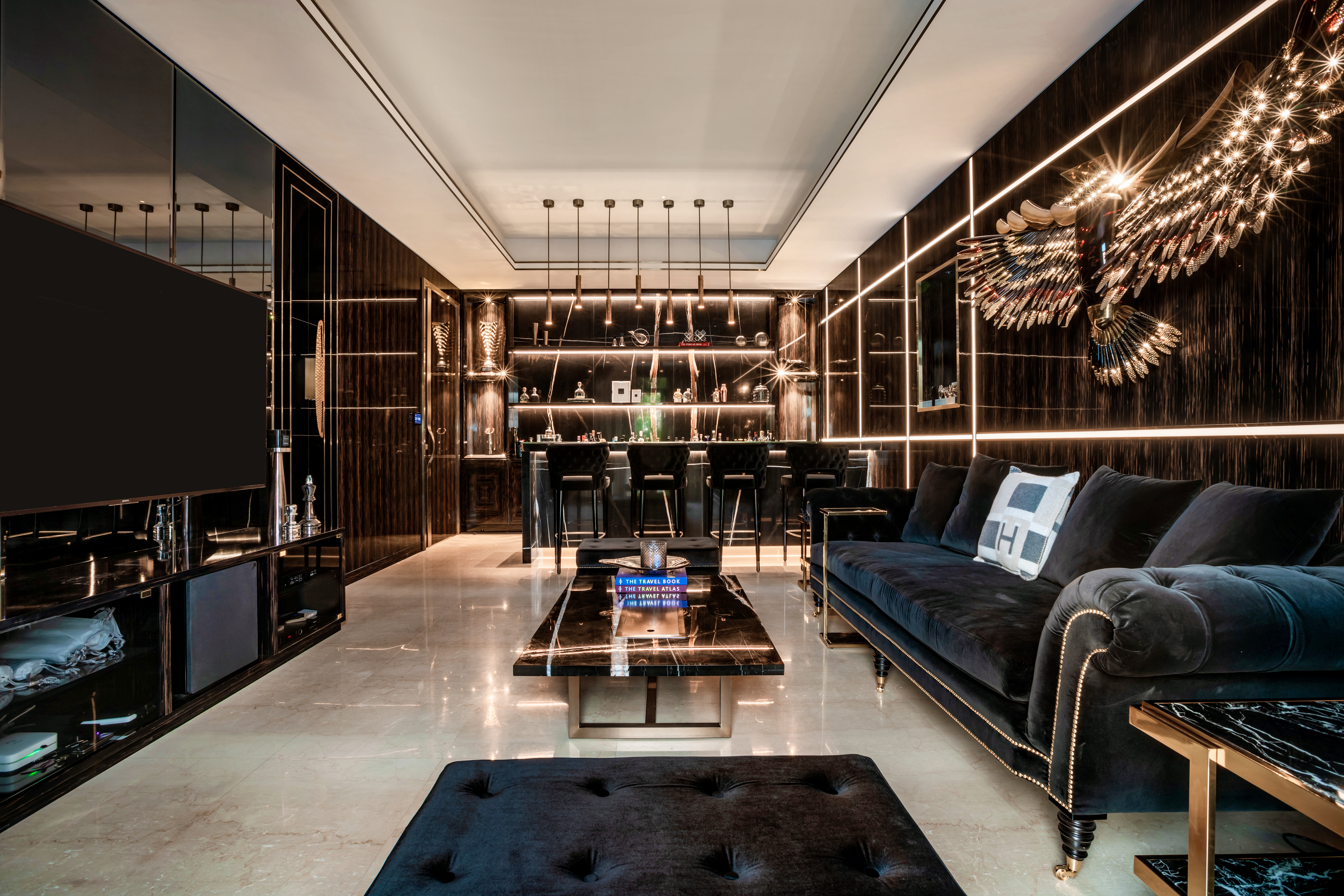
• Accent lighting highlights architectural features, art, or focal points, drawing attention to the room’s most interesting elements.
Using a layered lighting approach ensures that the room is not only functional but also flexible. You can adjust the light levels to fit various moods or tasks, making the space more dynamic and versatile. Thoughtfully integrated lighting provides visual comfort and creates a sense of balance within the room.
Art and Lighting: Elevating the Experience
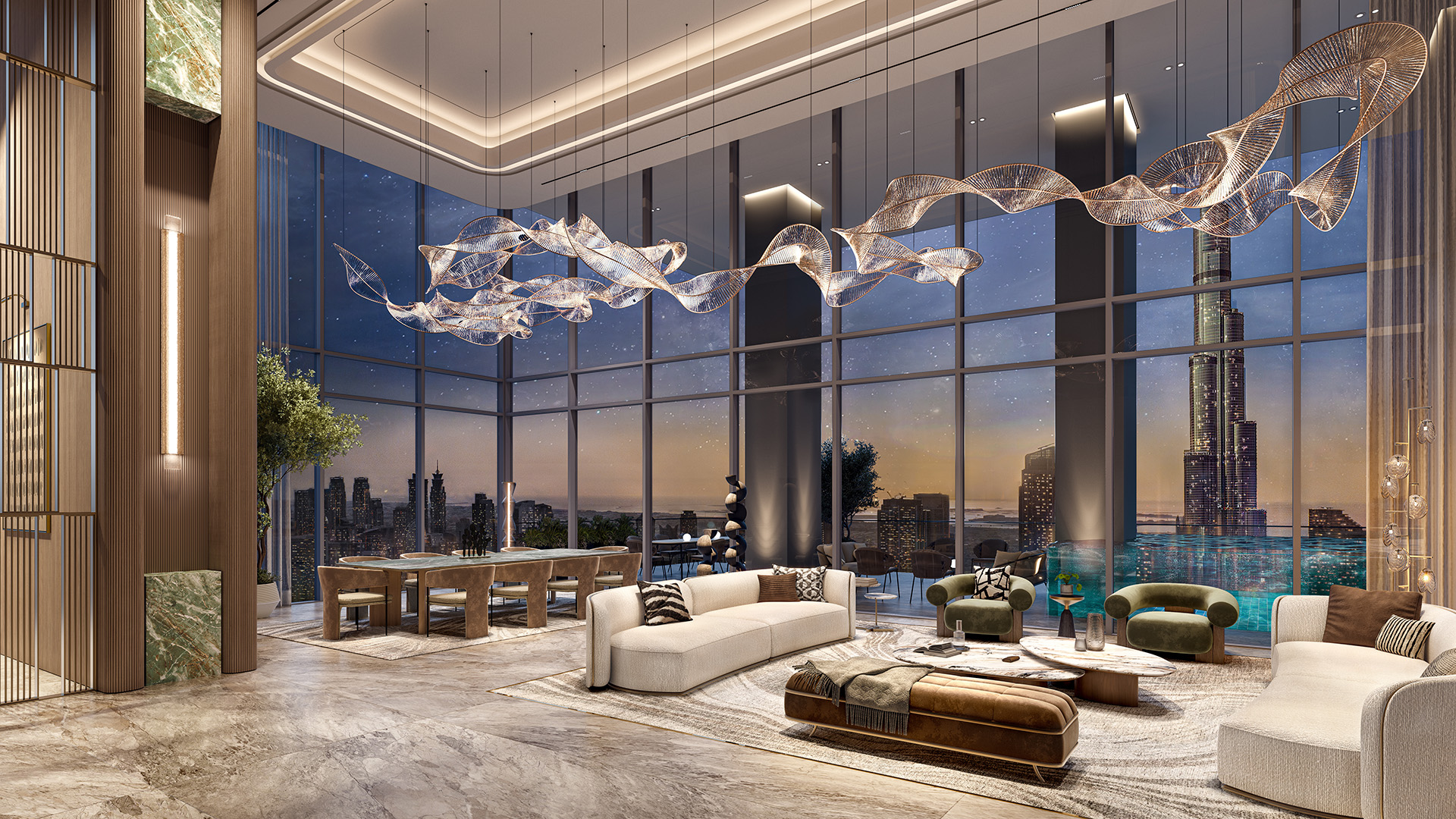
Just as art breathes life and personality into a design, lighting can emphasise and complement these artistic elements. For instance, highlighting artwork or sculptures with well-placed spotlights or accent lighting draws attention to these pieces, allowing them to become focal points in the room. Dimmable lighting near an art display can adjust the ambiance, creating a more intimate viewing experience that encourages engagement.
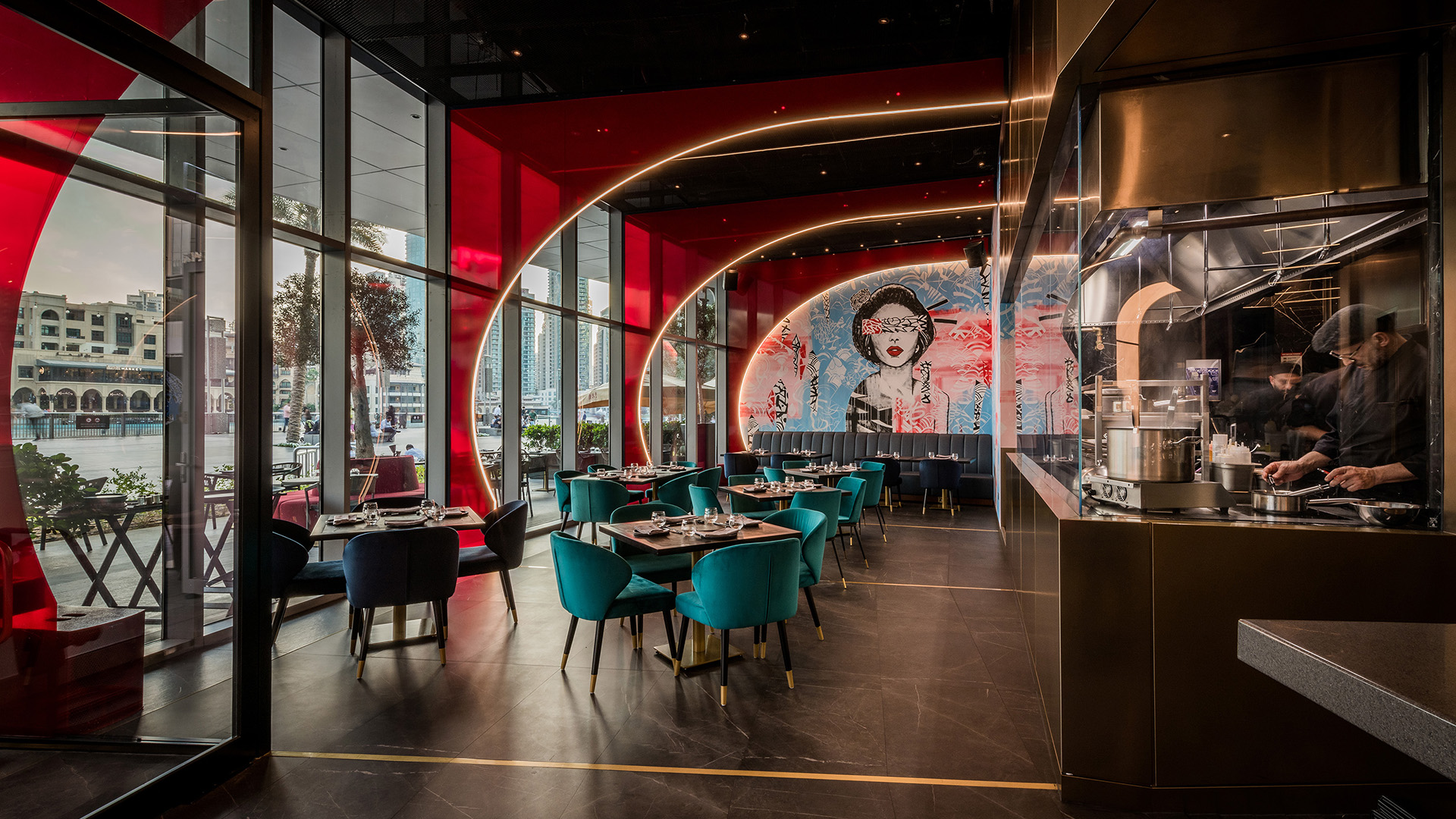
In my projects, I always consider how light interacts with textures, colours, and art. The right lighting can accentuate the depth of a textured wall or enhance the vibrancy of a colour palette. A carefully lit room feels alive, with art and design coming together to create an immersive experience.

Finding Inspiration in Everyday Life
As a designer, I draw inspiration from the world around me, often finding beauty in the small, everyday moments that we might overlook. Whether it is the vibrant colours of a blooming flower, the intricate patterns found in nature, or the rhythm of daily life in a bustling city, these elements spark creativity and inform my design choices.
The way people interact with their environments, the textures of materials, and the colours of different seasons all serve as a rich source of inspiration.
By embracing these daily influences, I aim to create spaces that feel organic and resonate with those who inhabit them.
Every project becomes an opportunity to weave in these inspirations, making the design feel not only personal but also deeply connected to the world outside. By focusing on what surrounds us, I strive to infuse each space with a sense of vitality and authenticity that enhances the user experience.
Enhancing the User Experience with Thoughtful Lighting
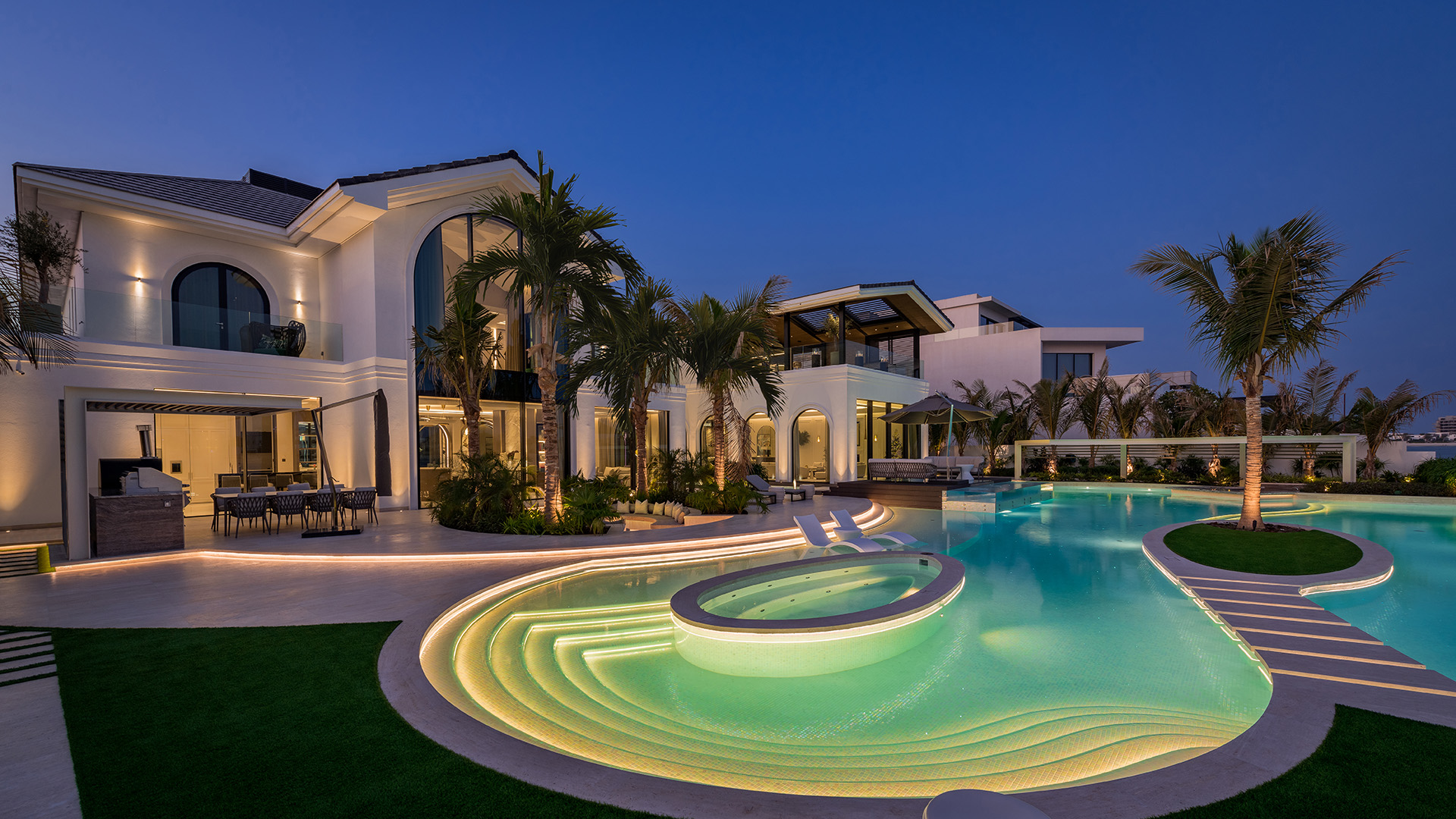
The beauty of lighting is that it can completely transform a room’s atmosphere. Soft, warm lighting can make a living room feel cosy and inviting, while bright, cool lighting can energise a kitchen or workspace. I aim to create spaces where lighting adapts to the user's needs and mood.
For instance, installing dimmers allows users to adjust the intensity of light, creating the perfect setting for a quiet evening or an energising morning. In bedrooms, I recommend using a combination of ambient and task lighting to promote relaxation while still providing functional light for reading or other activities.
Lighting is not just about illuminating a room; it is about creating an environment that enhances well-being. A well-lit space makes people feel comfortable and at ease, improving the overall user experience.
Designing interiors that elevate the human experience requires more than just a focus on scale and functionality; it involves integrating art and, just as importantly, lighting. When thoughtfully layered and strategically placed, lighting can change the mood of a space, enhance its functionality, and bring artistic elements to life. By paying attention to both natural and artificial lighting, we create spaces that are not just beautiful, but adaptive, versatile, and inspiring.
Ultimately, good design, much like good lighting, is about finding the perfect balance. By considering how light interacts with human scale, function, and art, we can create spaces that transform the way people live and experience the world around them.
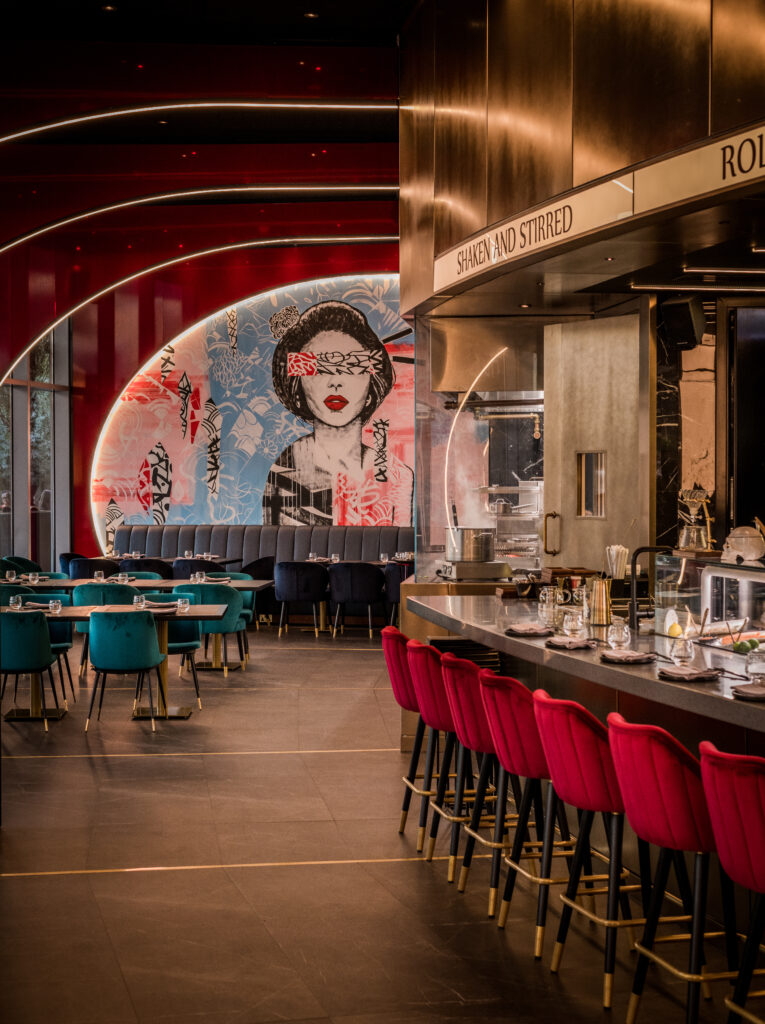
Interior design is a discipline that transcends mere aesthetics; it is a careful balance of art and function, with the ultimate goal of enhancing the lives of those who inhabit the space. As an interior designer with an architectural background, my design philosophy is rooted in creating environments that seamlessly blend form and function, with particular attention to human scale, functionality, and the power of art. Additionally, one of the most transformative elements of any space is lighting, a tool that can shape ambiance, highlight architectural features, and bring the overall design to life.
As designers, we explore how these key elements: scale, functionality, art, and lighting, work together to create interiors that not only look beautiful but also enhance the human experience in meaningful ways. From thoughtful design choices that align with the way people interact with their environments to the subtle influence of light and art, successful interior design is about crafting spaces that are both practical and inspiring.