





Indirect Lighting in Commercial Spaces
Enhancing Productivity In The Office

Heba Fareed, Interior Designer
The connection between lighting and productivity is not just a theory; it’s well-established through years of research and practical applications. Numerous studies have demonstrated the significant impact lighting can have on concentration, mood, and overall well-being. In particular, direct or harsh lighting can cause discomfort, leading to issues like eye strain, headaches, and fatigue. In contrast, well-designed indirect lighting systems can help create an environment that supports focus, reduces stress, and boosts overall productivity. In commercial and office spaces, where productivity is key, lighting becomes a crucial element in shaping the environment. Whether it’s an office where employees need to stay focused or a retail space where customers should feel comfortable, lighting plays a vital role in achieving these goals.
Indirect lighting, with its ability to create a softer, more inviting atmosphere, has gained popularity among architects and interior designers who aim to optimise both the form and function of spaces. But why is indirect lighting so effective in promoting productivity and well-being? Let’s take a closer look at the benefits and applications of indirect lighting in commercial and office spaces.
The Benefits of Indirect Lighting in Office Spaces
One of the most immediate benefits of indirect lighting in office spaces is its ability to reduce discomfort caused by direct lighting. Traditional direct lighting, particularly fluorescent or overly bright LED lights, can create intense glare on reflective surfaces such as computer screens, desks, or even walls. This glare can lead to eye strain, headaches, and an overall sense of discomfort for employees who spend long hours working in front of screens. Over time, this discomfort can build up, affecting concentration and lowering productivity.
Indirect lighting works by dispersing light evenly across a space, eliminating harsh shadows and reducing glare. This gentle diffusion creates a more comfortable environment, promoting better posture and reducing eye fatigue. Employees can work longer and more comfortably without the nagging distractions caused by poor lighting conditions. In addition, indirect lighting helps to create a more relaxed and welcoming atmosphere compared to traditional, harsh lighting, which can often make a space feel cold or clinical.
In many ways, indirect lighting mimics natural light, which is known to have a positive effect on mood and mental well-being. Natural light fosters a sense of calm, improves focus, and even enhances creativity. Indirect lighting, by replicating these qualities, helps create a workplace that is conducive to creativity, collaboration, and productivity.
This lighting style also improves the overall mood in an office, reducing anxiety and creating a more positive working environment. Employees who feel comfortable and less stressed are more likely to perform at their best, benefiting both the individuals and the company as a whole.
Design Flexibility and Aesthetics
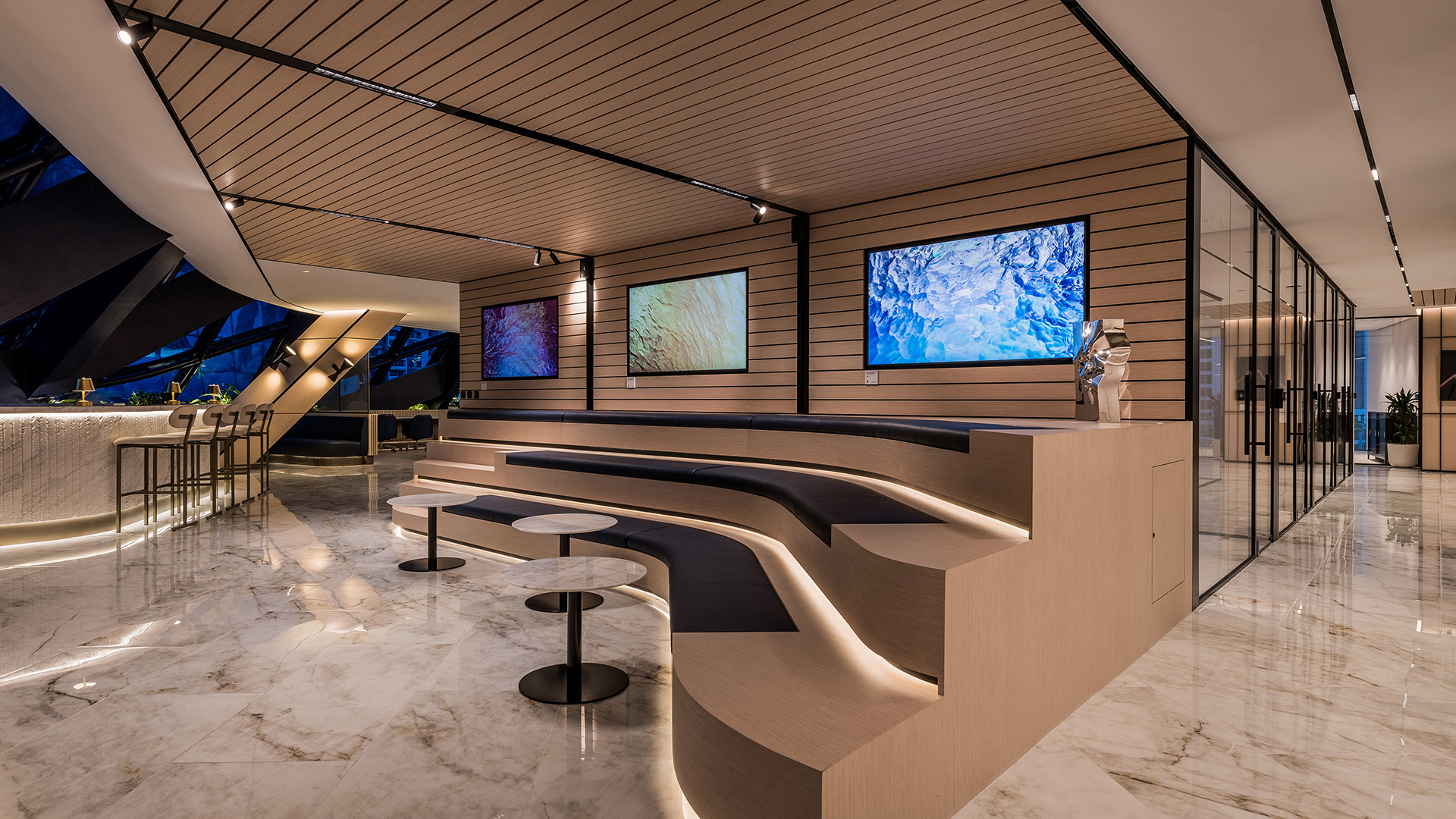
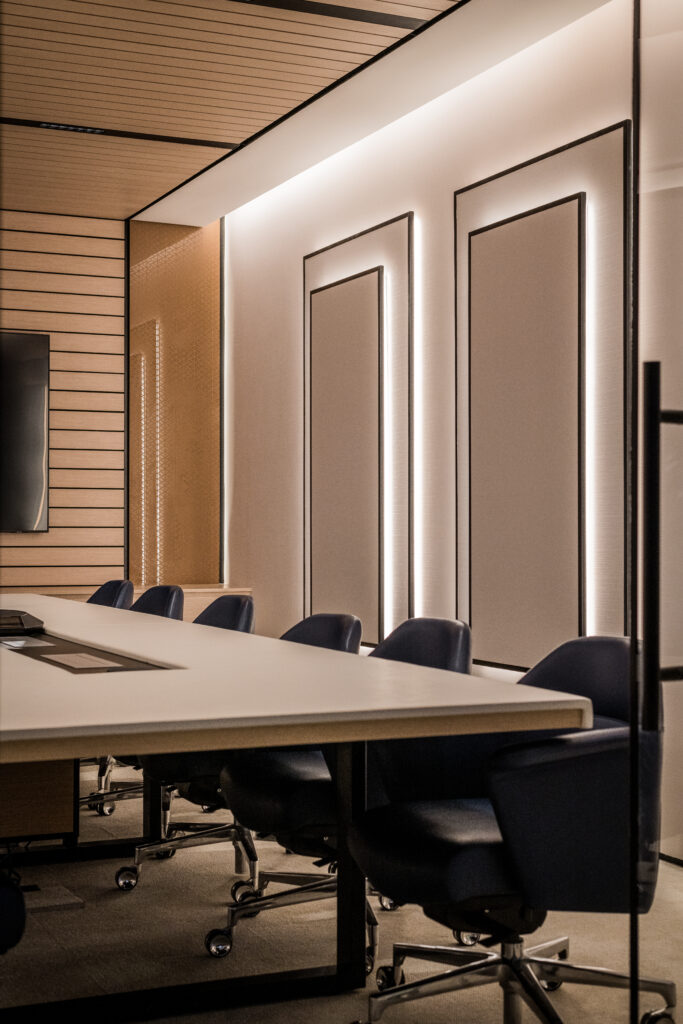
Another advantage of indirect lighting is its incredible flexibility when it comes to design. Indirect lighting systems can be seamlessly integrated into a wide variety of architectural features, such as ceilings, walls, and even furniture. This allows designers to get creative with how light is used, offering opportunities to highlight certain aspects of the room or simply maintain a clean, clutter-free aesthetic. In open-plan offices, for example, indirect lighting can be incorporated into the ceiling design, spreading an even layer of light across large areas without creating overly bright or dim spots.
Moreover, indirect lighting can be combined with other types of lighting, such as task lighting and accent lighting, to create a well-balanced lighting scheme that meets the functional needs of the space. Task lighting, which is focused on specific work areas, can be paired with the softer ambient glow of indirect lighting, ensuring that the space is both practical and visually appealing. This layered approach to lighting design offers versatility, enabling the space to adapt to different uses or moods throughout the day.
For example, in a boardroom or meeting space, indirect lighting can be used to create a calm and focused atmosphere during work sessions, while accent lighting might be employed to highlight artwork or architectural details. This mix of lighting styles not only improves the functionality of the space but also adds to its aesthetic appeal, making the environment more pleasant to spend time in.
Indirect Lighting and Sustainability
Energy efficiency is another important consideration in commercial and office lighting design, and indirect lighting, particularly when paired with LED technology, offers a sustainable solution. LED lights are known for their energy-saving properties, and when used in an indirect lighting setup, they help reduce overall energy consumption without compromising on quality or brightness.
By using indirect lighting, businesses can achieve the dual goal of creating an aesthetically pleasing, comfortable environment while also keeping their energy costs in check. This is particularly important for companies that are looking to reduce their carbon footprint and move towards more sustainable practices. In addition, the long lifespan of LED lights means that they require less frequent replacement, further reducing waste and maintenance costs.
Applications in Different Commercial Settings
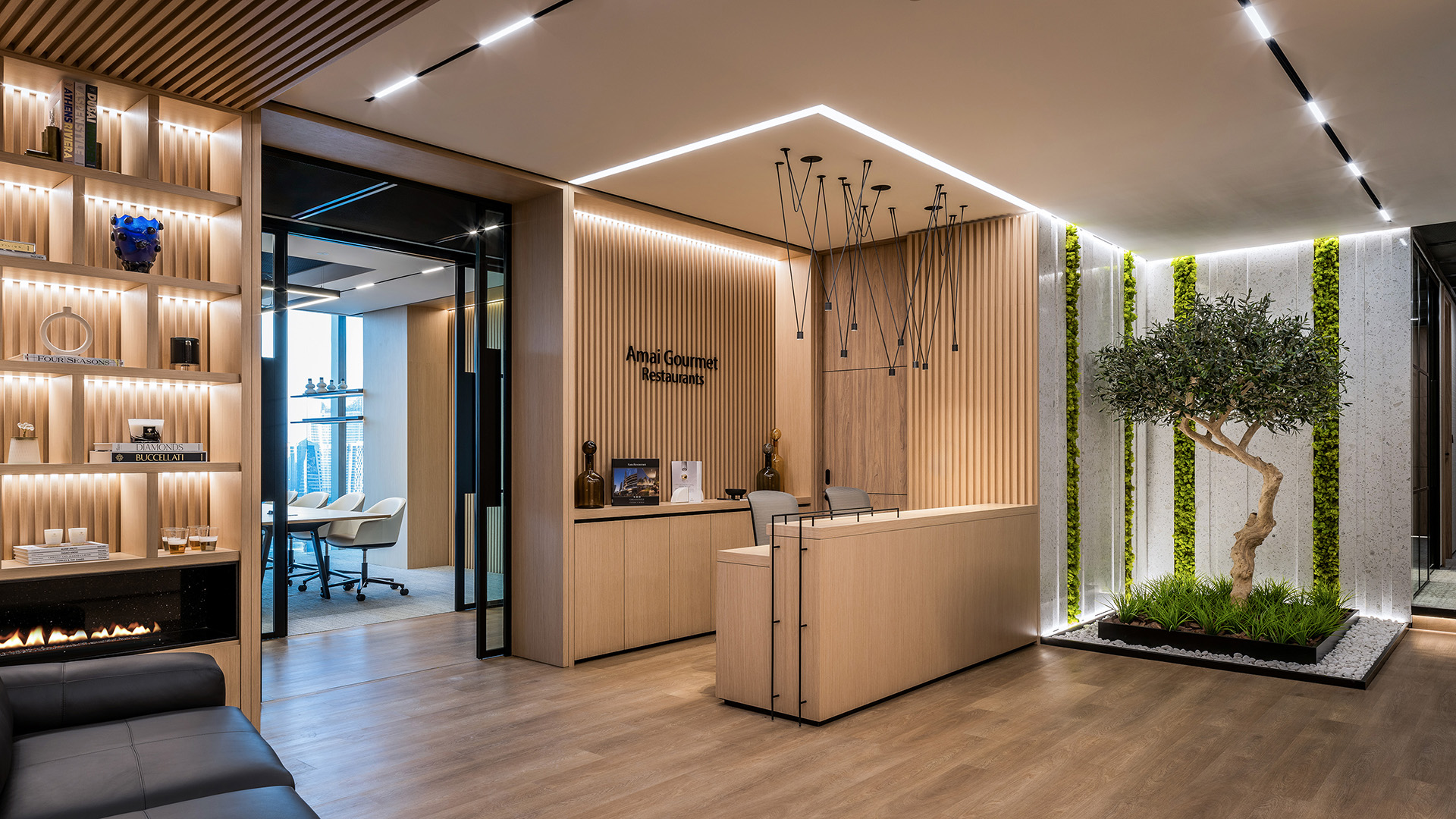
The benefits of indirect lighting extend beyond office spaces into various other commercial settings, such as retail stores, hospitality venues, and public spaces. In open-plan offices, indirect lighting helps create a balanced environment where employees can focus on their tasks without being overwhelmed by overly bright or harsh lighting. In private meeting rooms, it creates a more comfortable and focused atmosphere, encouraging productive discussions without distractions.
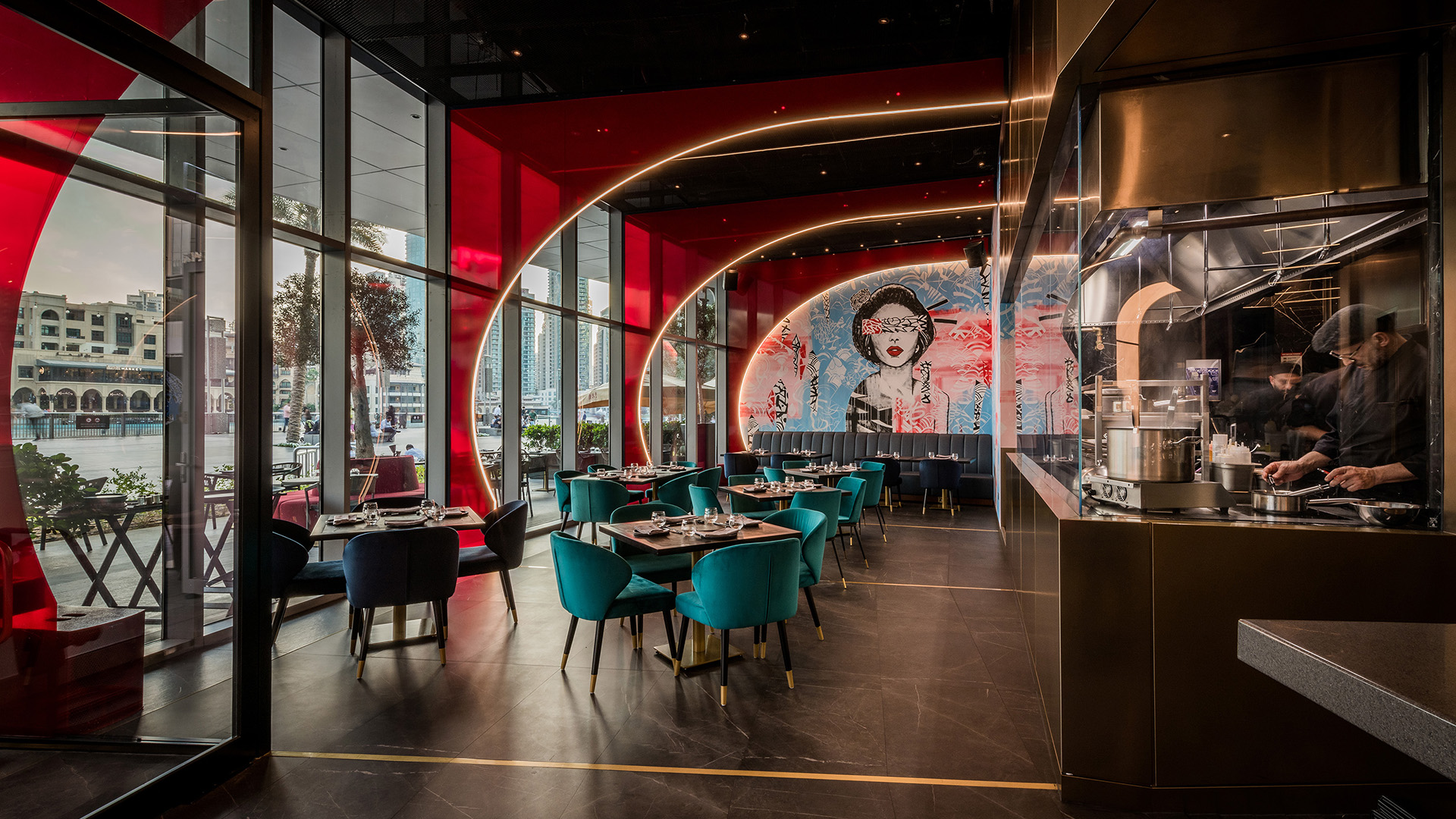
In retail spaces, indirect lighting can play a crucial role in shaping the customer experience. By creating a warm, inviting glow, it helps make the space feel more welcoming and comfortable, encouraging customers to spend more time browsing. It can also be used to highlight specific areas or products without creating the harsh contrasts that direct lighting can sometimes produce.
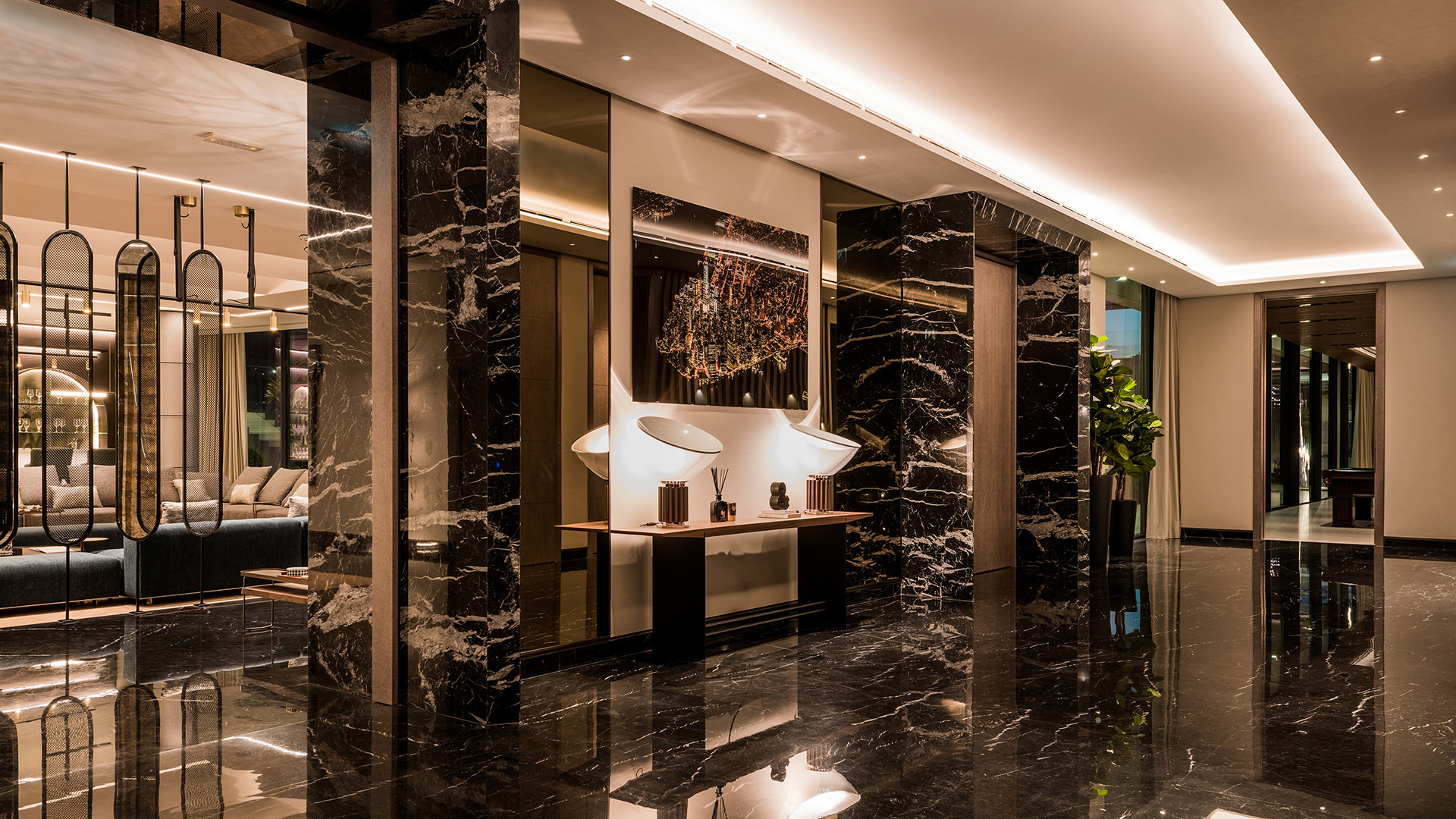
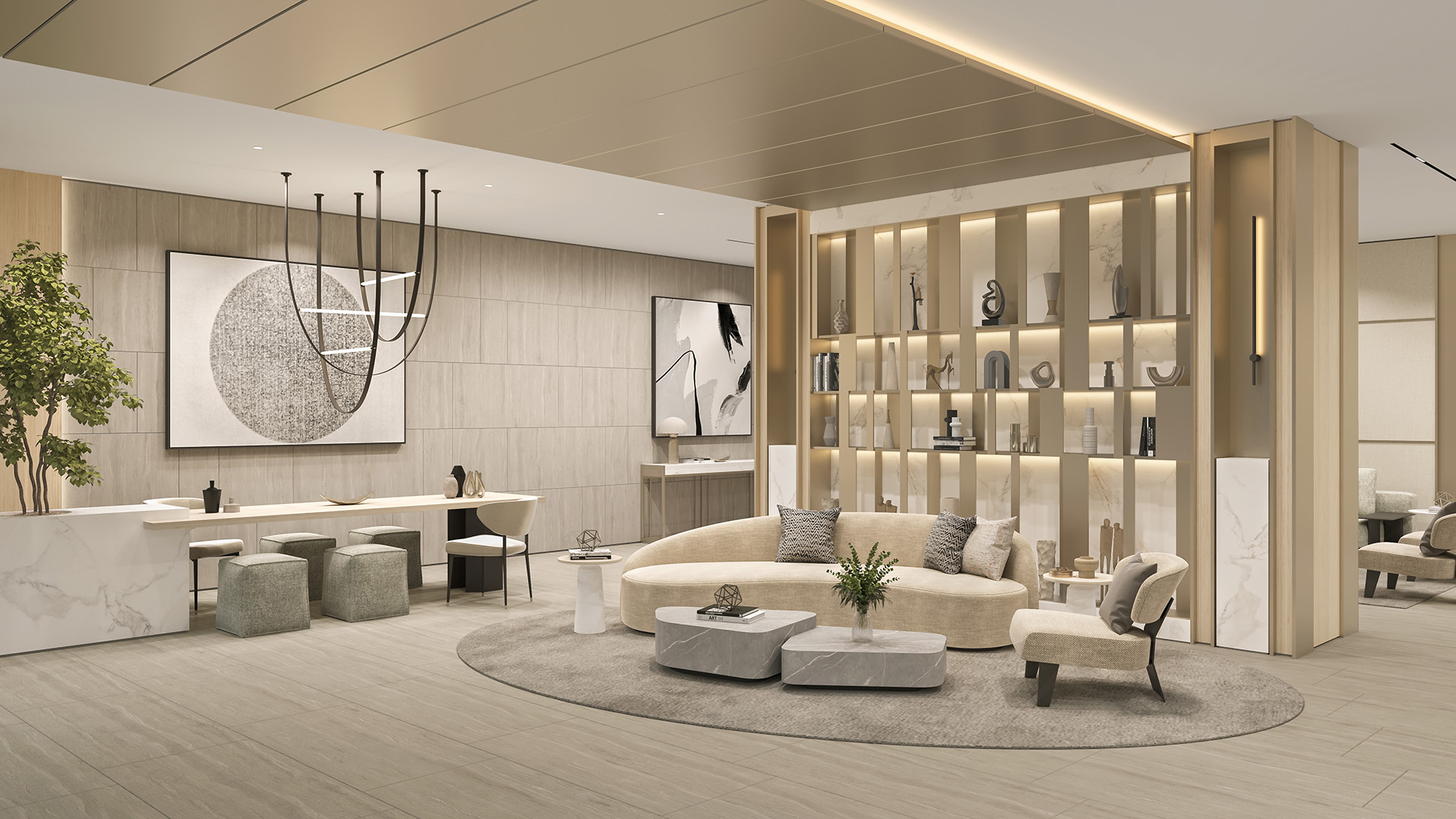
In reception areas and lobbies, indirect lighting can be used to set a positive first impression. The soft, inviting glow it provides makes the space feel more approachable and welcoming, helping to create a sense of calm and professionalism from the moment someone enters the building.
Supporting Well-being and Productivity
Incorporating indirect lighting into office design is not just about creating a visually appealing environment; it’s about fostering a workspace that supports the well-being and productivity of its occupants. Employees who feel comfortable in their environment are more likely to stay focused, collaborate effectively, and contribute to a positive workplace culture.
More businesses are recognising the importance of lighting in workplace design as they seek to improve employee satisfaction and efficiency. As this trend continues, indirect lighting will play an increasingly central role in modern commercial design, providing both functional and aesthetic benefits that support the goals of today’s businesses.
At XBD, we understand how critical lighting is in creating a productive work environment.
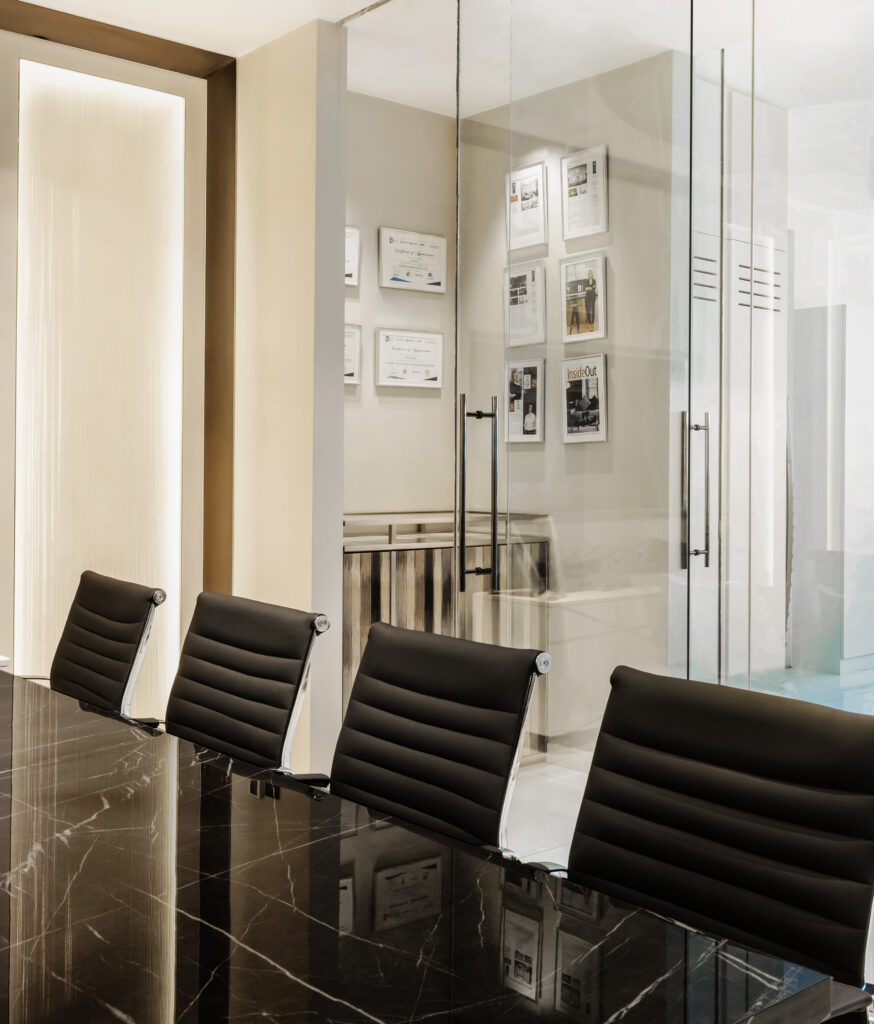
Indirect lighting is a key element in our office designs, as it helps reduce eye strain and the discomfort often caused by direct lighting. By using indirect lighting systems, we create a softer, more even illumination that supports better focus and concentration. This thoughtful approach not only enhances comfort but also improves the overall well-being of our employees, fostering a space where they can work efficiently without distractions. At XBD, we are committed to using smart design solutions like indirect lighting to boost productivity and create an environment where our team thrives.