



How Technology is Shaping the Future
The Evolution Of 3D Visualisation In Architecture

Huzefa Shabbir, 3D Visualiser
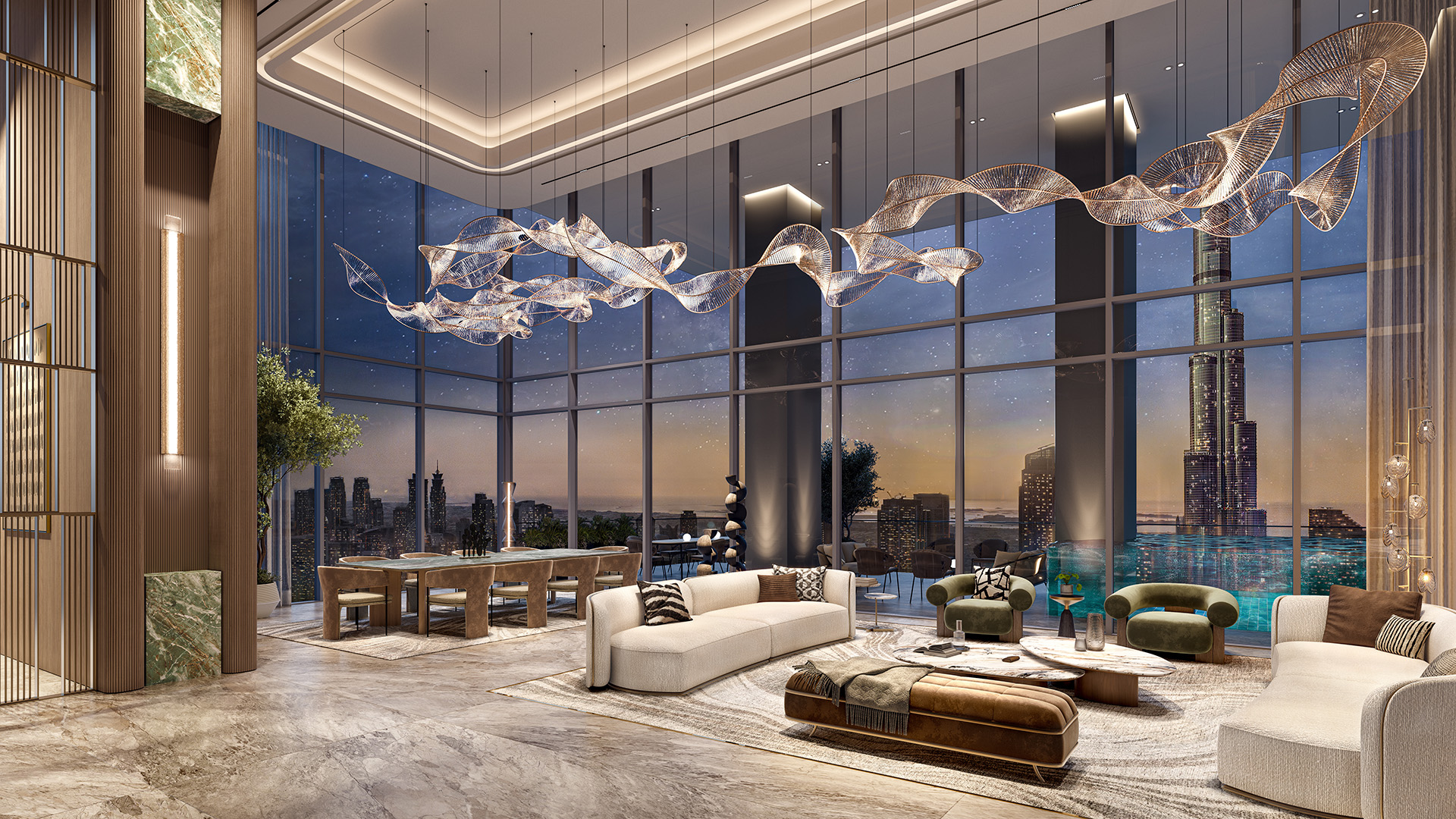
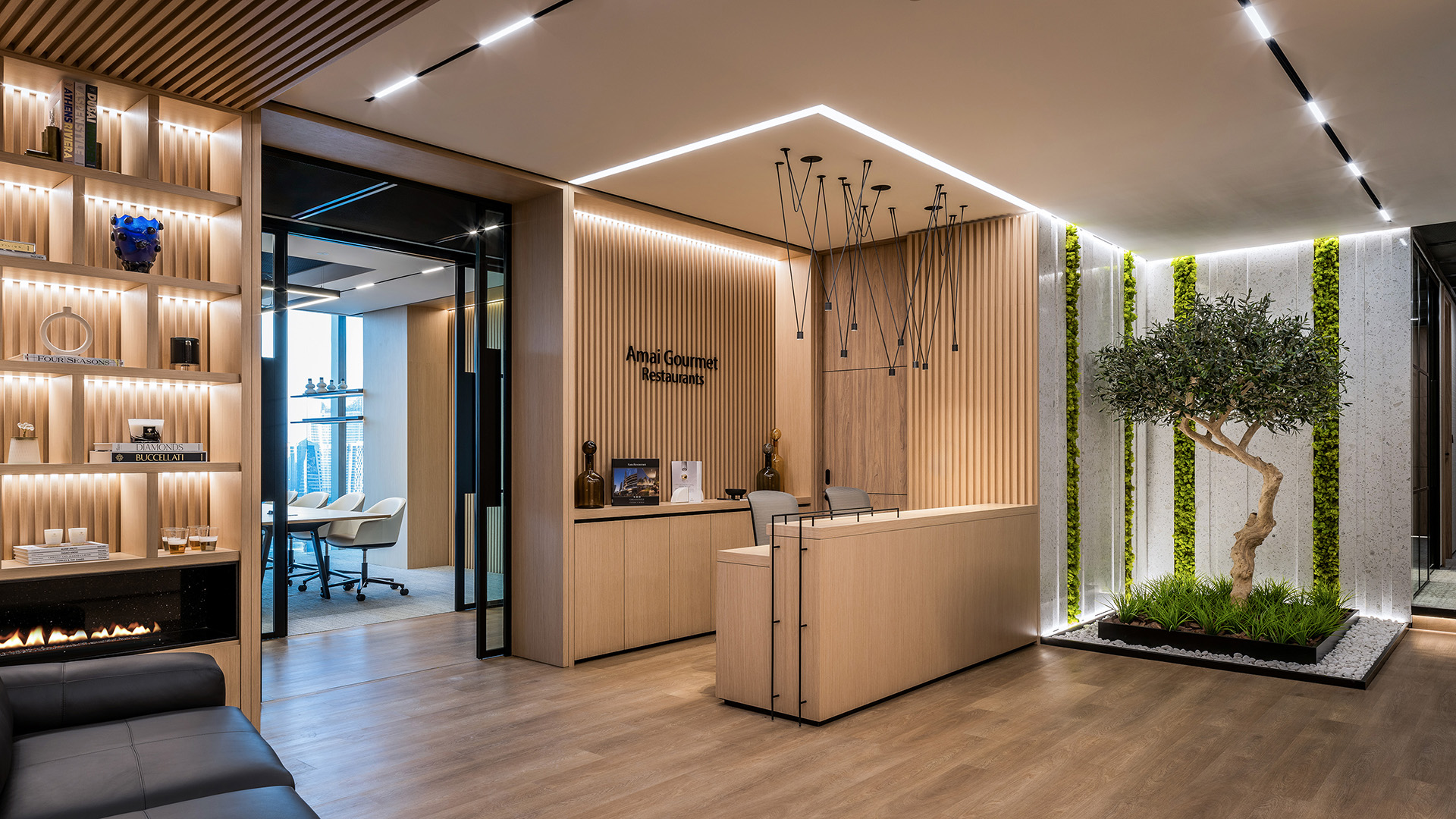
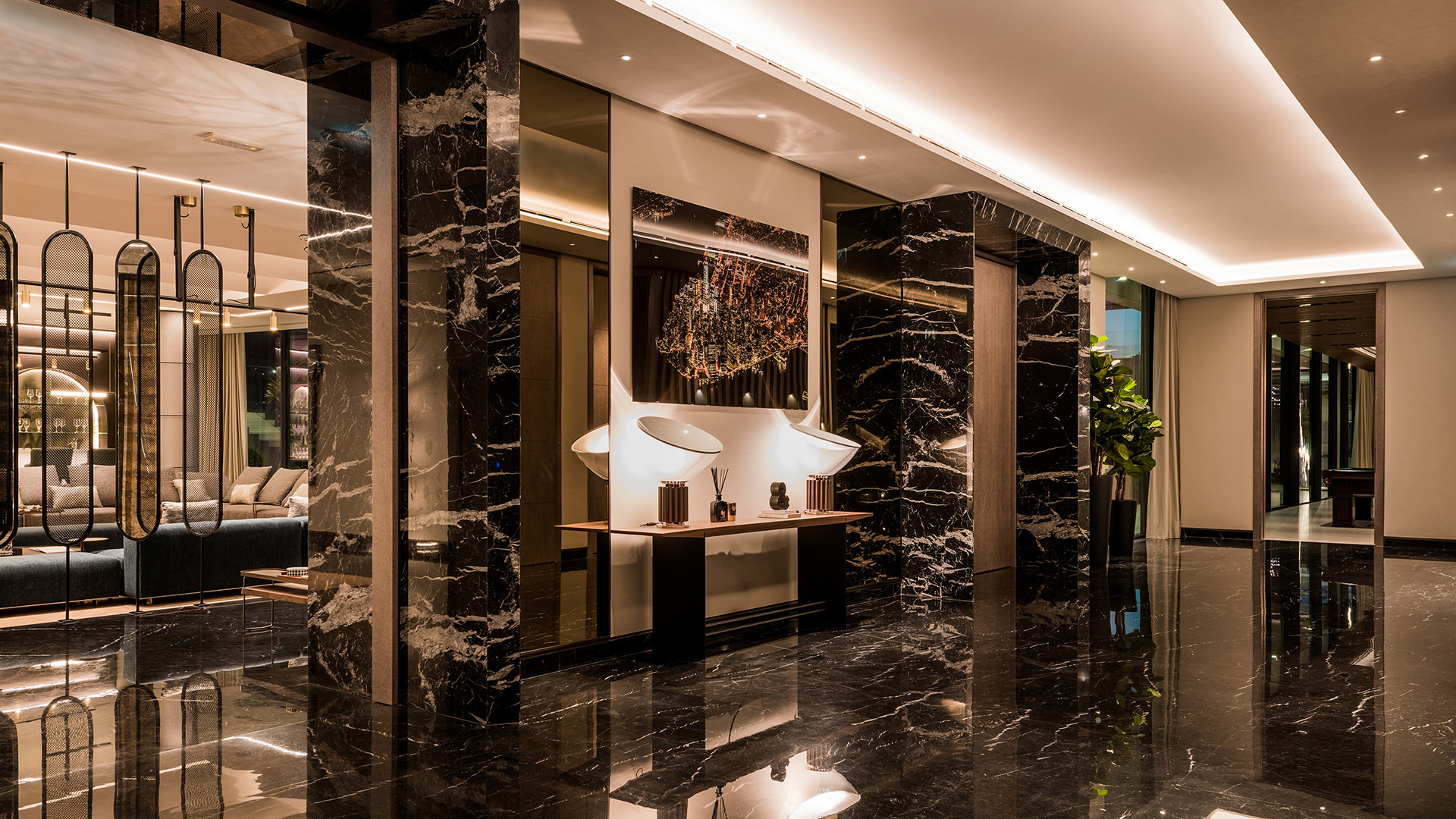
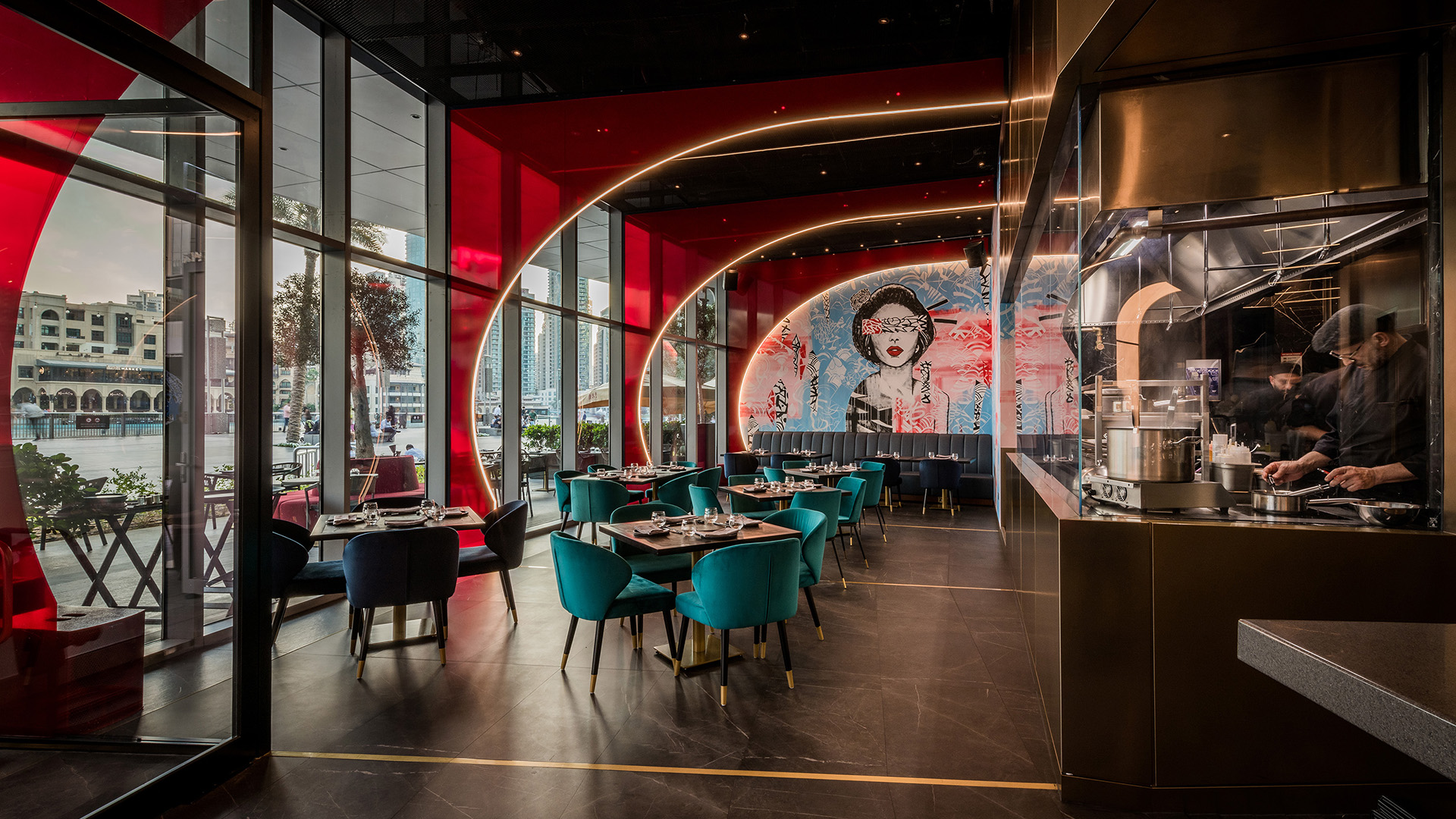
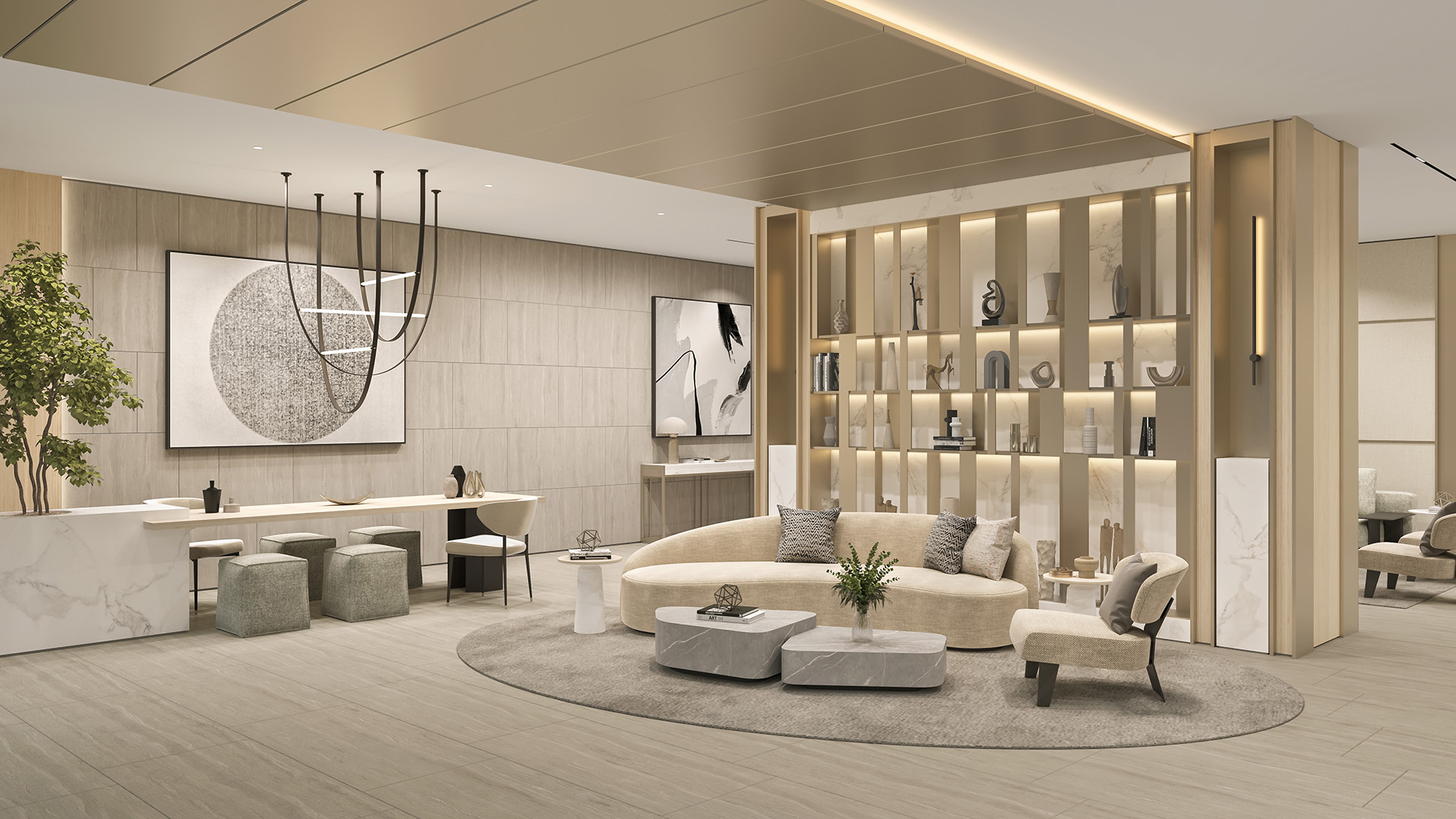
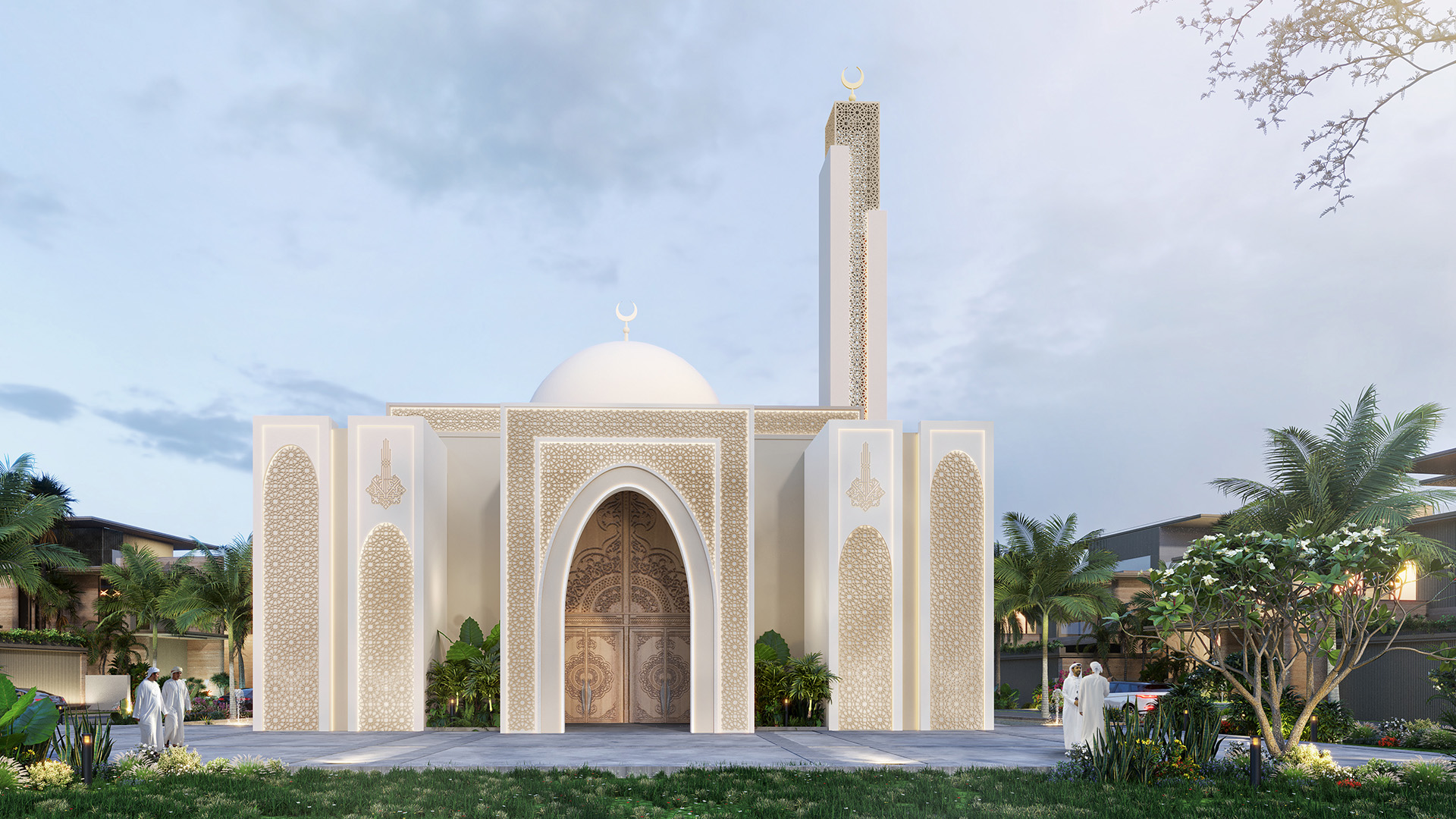
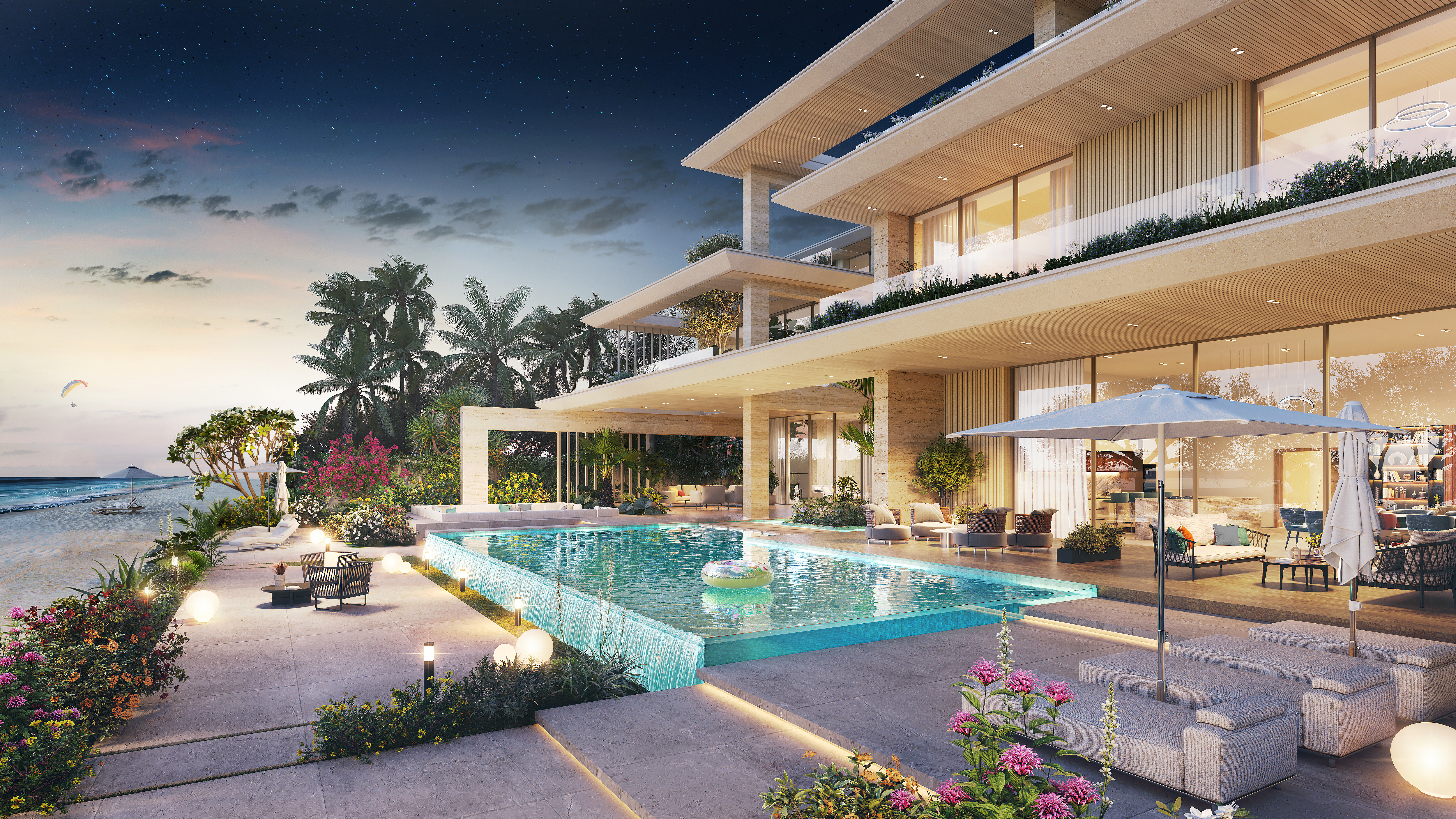
In today’s fast-paced world, the ability to visualise creative and complex ideas and designs is more crucial than ever. 3D visualisation, the process of creating three-dimensional representations of designs, has become an indispensable tool for architecture, interior design, and marketing industries.
The realm of architecture and interior design has undergone a radical transformation over the past few decades, largely due to technological advancements. As we move further into the 21st century, the integration of technology into 3D visualisation is reshaping how architects and designers conceptualise, communicate, and execute their visions. This article explores how emerging technologies such as real-time rendering, virtual reality (VR), augmented reality (AR), artificial intelligence (AI), and real-time rendering are influencing the future of 3D visualisation in both architecture and interior design.
The Evolution of 3D Visualisation
The Shift from 2D to 3D
Historically, architectural design relied heavily on 2D drawings and blueprints. While effective for conveying technical information, these formats often lacked the spatial depth necessary to fully understand a project. The introduction of 3D modelling software in the late 20th century marked a significant turning point, allowing designers to create more realistic representations of their ideas. It fundamentally changed the way projects were communicated to clients and stakeholders, paving the way for more informed decision-making.
Real-Time Rendering: A Game Changer
Real-time rendering technology has taken 3D visualisation to new heights. Unlike traditional rendering processes that could take hours or even days, real-time rendering allows visualisers and designers to see their changes instantly. Software such as D5 Render, Lumion, Enscape, Unreal Engine, and Twinmotion has revolutionised presentations by enabling high-quality visualisations to be produced on the fly. This allows for a more dynamic design process and enhances client interactions.
Immersive Design Experiences with Virtual Reality
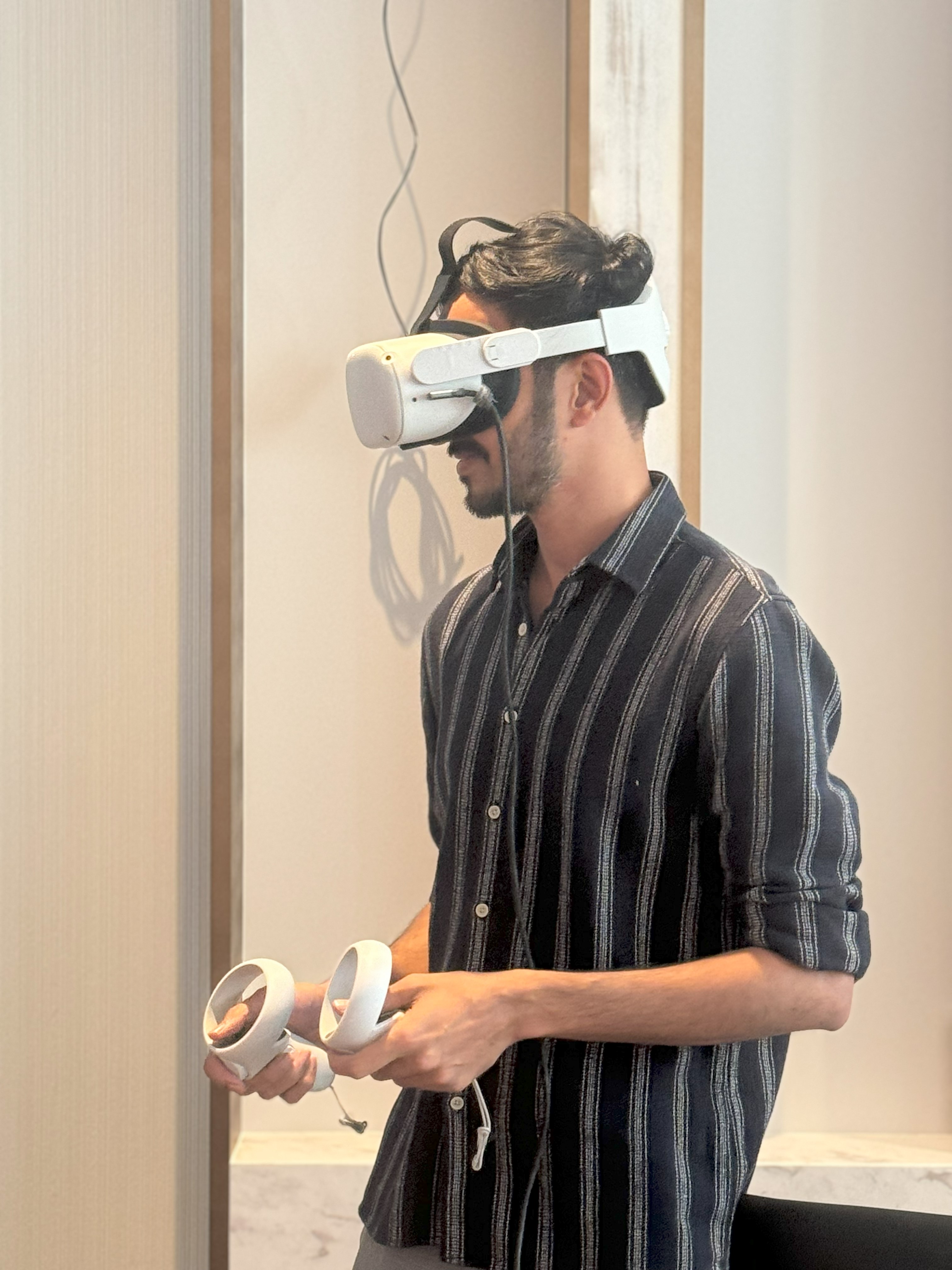
Virtual Reality (VR) is transforming the architecture and interior design industry by providing 3D visualisers with a powerful tool for creating immersive design experiences. VR allows architects and designers to create fully interactive virtual environments where clients can explore their projects at a true-to-life scale before construction begins. This immersive walkthrough experience helps clients understand spatial arrangements, lighting, and material choices in a more tangible way compared to traditional blueprints or 2D renderings.
VR also enables designers to experiment with different layouts, materials, and finishes in real-time, allowing for quick adjustments based on client feedback. By offering a more engaging and realistic preview of projects, VR enhances client communication, speeds up the decision-making process, and minimises misunderstandings, leading to more efficient and successful project outcomes.
Augmented Reality: Bridging the Physical and Digital
Augmented Reality (AR) is revolutionising 3D visualisation for architects and interior designers by providing immersive and interactive ways to conceptualise and present spaces. AR allows architects to overlay 3D models onto real-world environments, enabling clients to visualise proposed structures in their actual settings, which improves understanding of spatial relationships and design impact. AR makes client presentations more interactive and engaging. Instead of relying on blueprints or static 3D renderings, designers can offer a hands-on experience where clients visualise designs in a more immersive way, helping them better understand the layout and design elements.
Artificial Intelligence in 3D Visualisation
Artificial intelligence is rapidly becoming a crucial tool in architectural and interior design. AI-driven software can analyse vast datasets to provide design alternatives that meet specific criteria, such as sustainability or aesthetic appeal. AI can also improve visualisation techniques through predictive algorithms that simulate how lighting, materials, and textures will behave within a space. By analysing historical data and applying machine learning, AI can generate realistic renderings that account for environmental factors, enhancing the accuracy of visualisations. This not only saves time but also helps architects and interior designers present more credible proposals to clients.
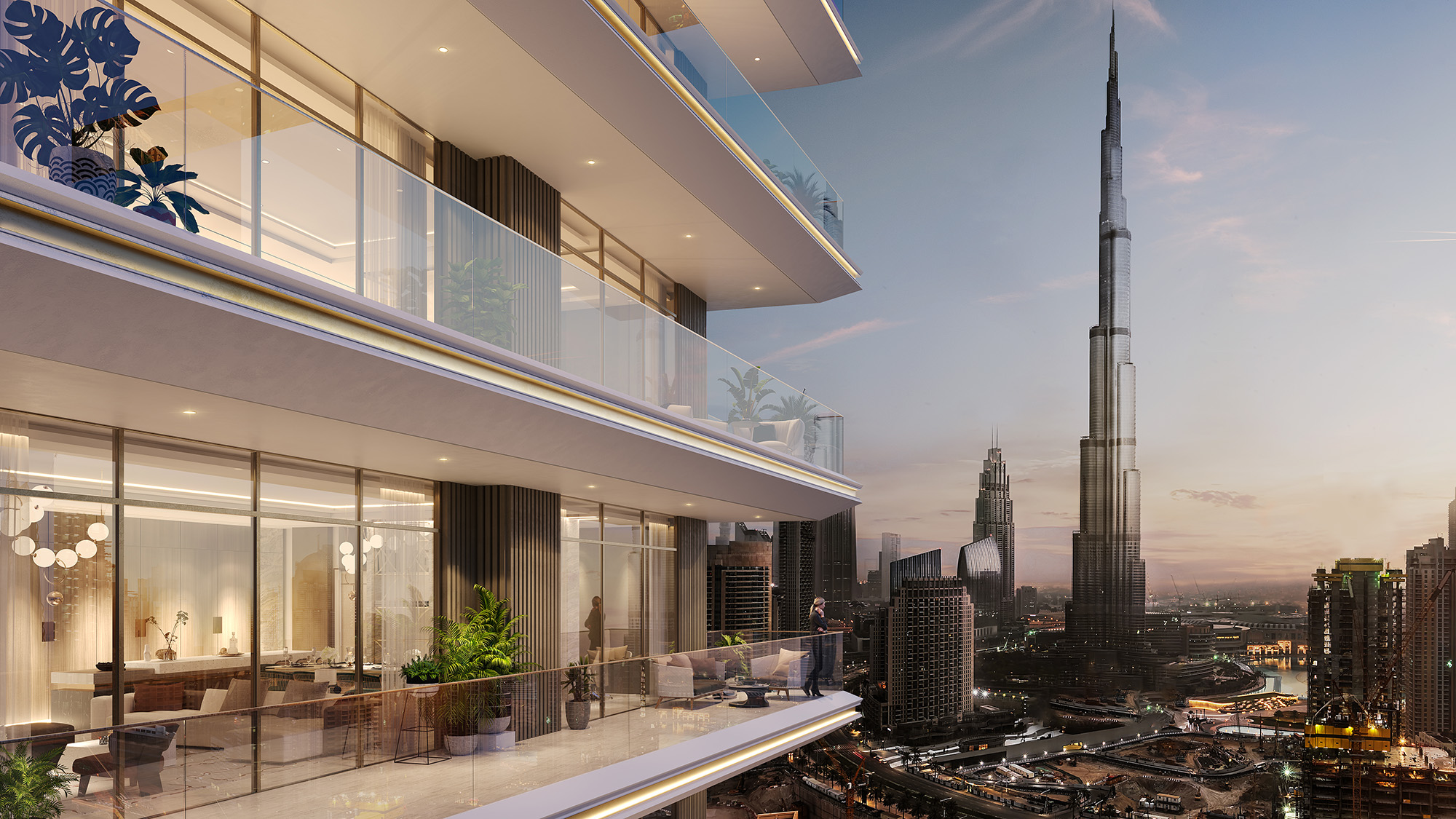
The Future of 3D Visualisation: A Fusion of Technology and Creativity
Balancing Technology and Human Insight
While the technological advancements in 3D visualisation are impressive, the essence of architecture and interior design remains rooted in human creativity and intuition. The future will likely see a harmonious blend of technology and human input, where designers use advanced tools to enhance their creative processes rather than replace them. The ability to manipulate designs in real-time encourages exploration and innovation, allowing for a richer design experience.
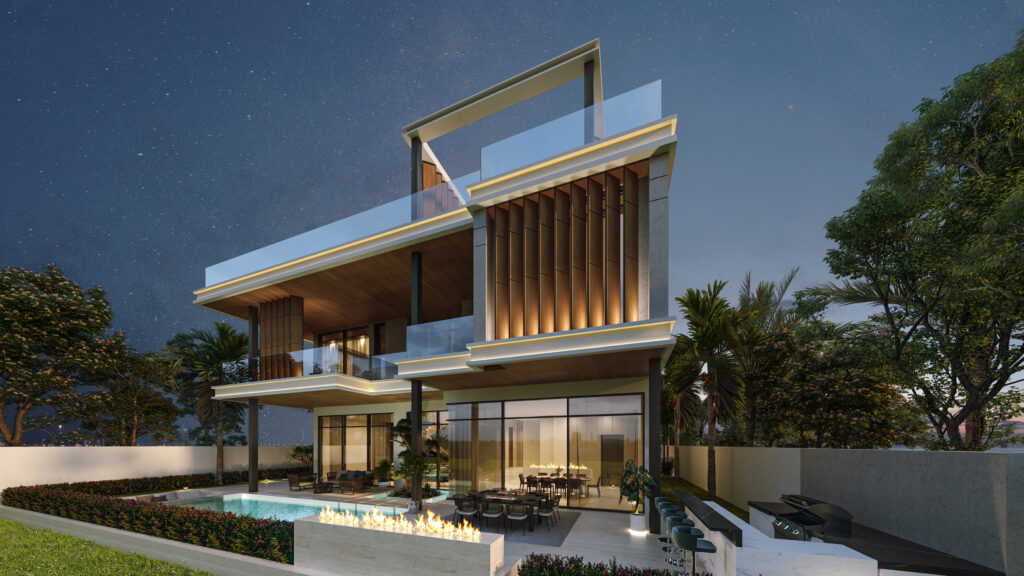
Continuous Learning and Adaptation
As technology continues to evolve, professionals in the architecture and interior design fields must adopt a mindset of continuous learning and adaptation. Staying updated on the latest tools and techniques is essential for maintaining a competitive edge. This includes not only mastering software but also understanding the underlying technologies, such as AI, VR, AR, and real-time rendering, that are shaping the industry.
The future of 3D visualisation in architecture and interior design is bright, fuelled by the integration of cutting-edge technologies such as real-time ray tracing, VR, AR, AI, and cloud computing. These advancements not only enhance the design process but also promote collaboration, sustainability, and creativity. As professionals navigate this evolving landscape, the key will be to embrace technology while retaining the human touch that defines their work. By harnessing the power of these technological innovations, architects and interior designers can create more impactful, sustainable, and aesthetically pleasing spaces that resonate with clients and communities alike. The future of architectural and interior visualisation is not merely about creating stunning images; it is about envisioning and realising built environments that enhance quality of life and foster a deeper connection with the world around us.