






The Importance of Work Culture in Creative Industries
Insights from Your Friendly HR Manager

Amy Burns, HR Manager
As the HR Manager at an interior design and architecture consultancy, I have seen quite a bit over the years, mood boards coming to life, sketches evolving into striking masterpieces, and yes, the occasional existential crisis sparked by a font choice. While these moments are the heartbeat of any creative industry, there is one thing that keeps our team motivated, productive, and even joyful: a positive work culture.
Now, when I say “work culture,” I am not talking about extravagant office perks like a sushi bar in the breakroom (although that would be brilliant, wouldn’t it?). I am referring to the environment, the unspoken values, and yes, that unspoken rule that we all love a good meeting that could’ve just been an email.
Let us dig into why work culture is vital, especially in creative industries, and how it shapes not just our work but the people who create it.
Creativity Needs Room to Breathe
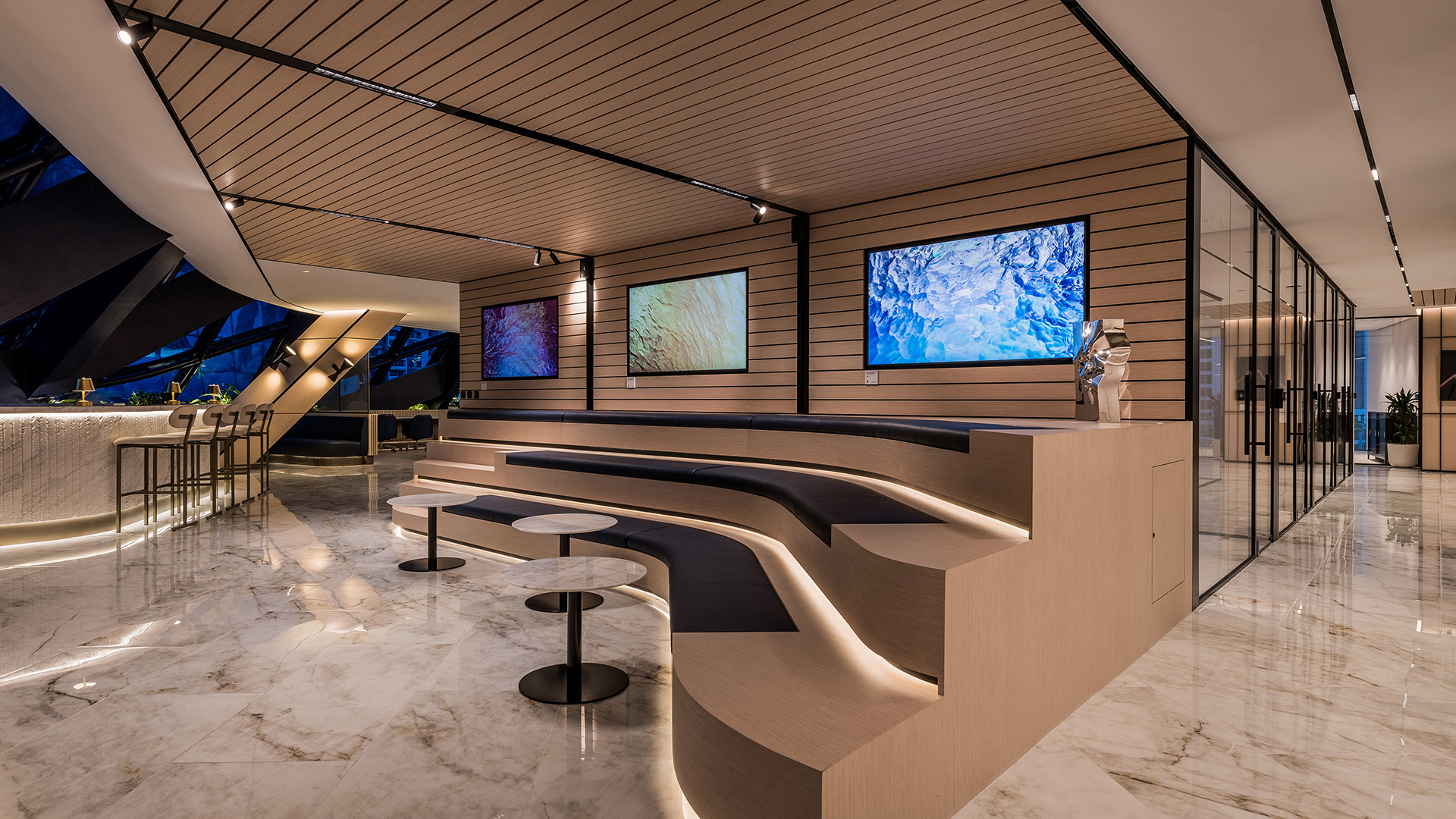
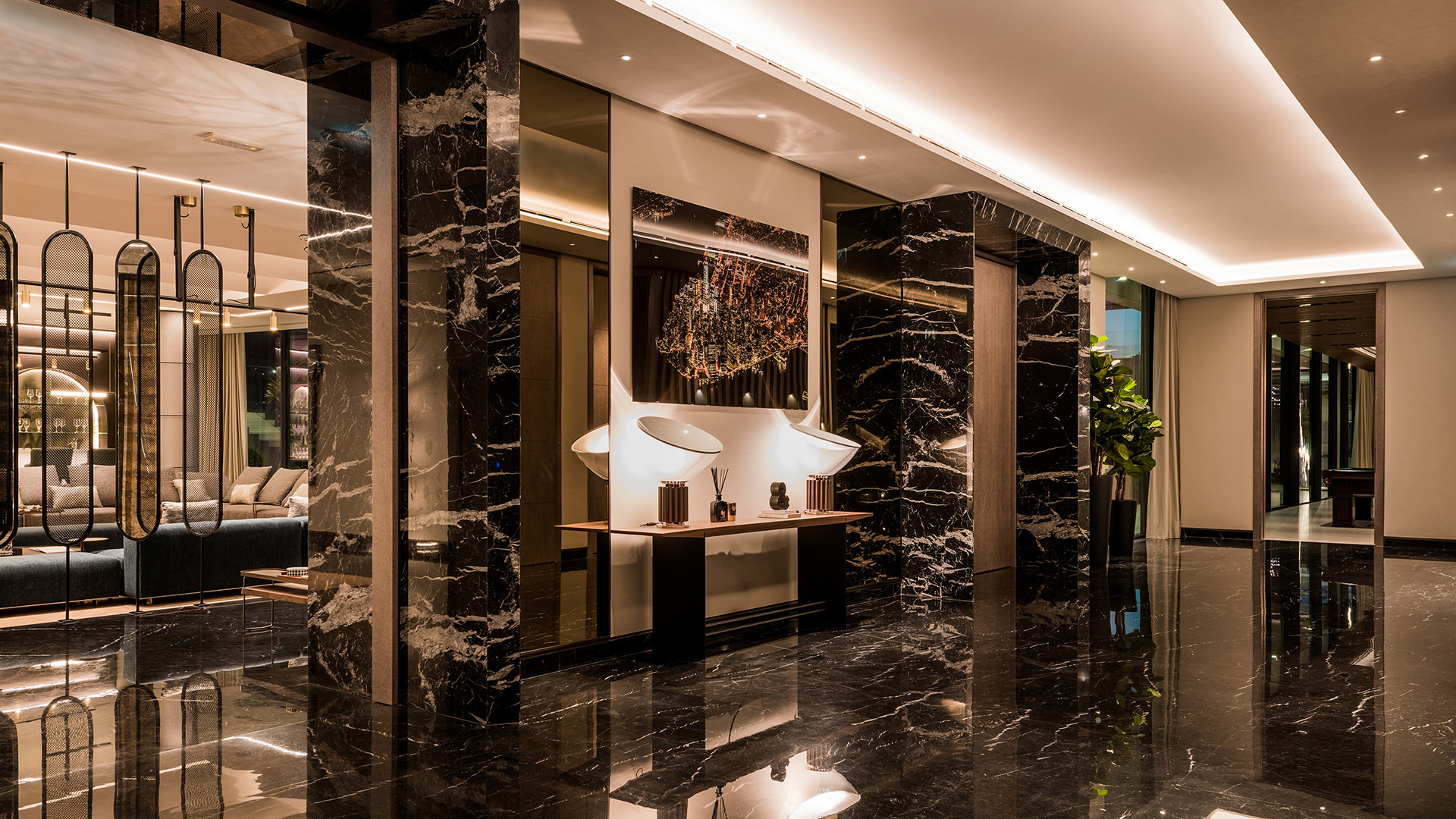
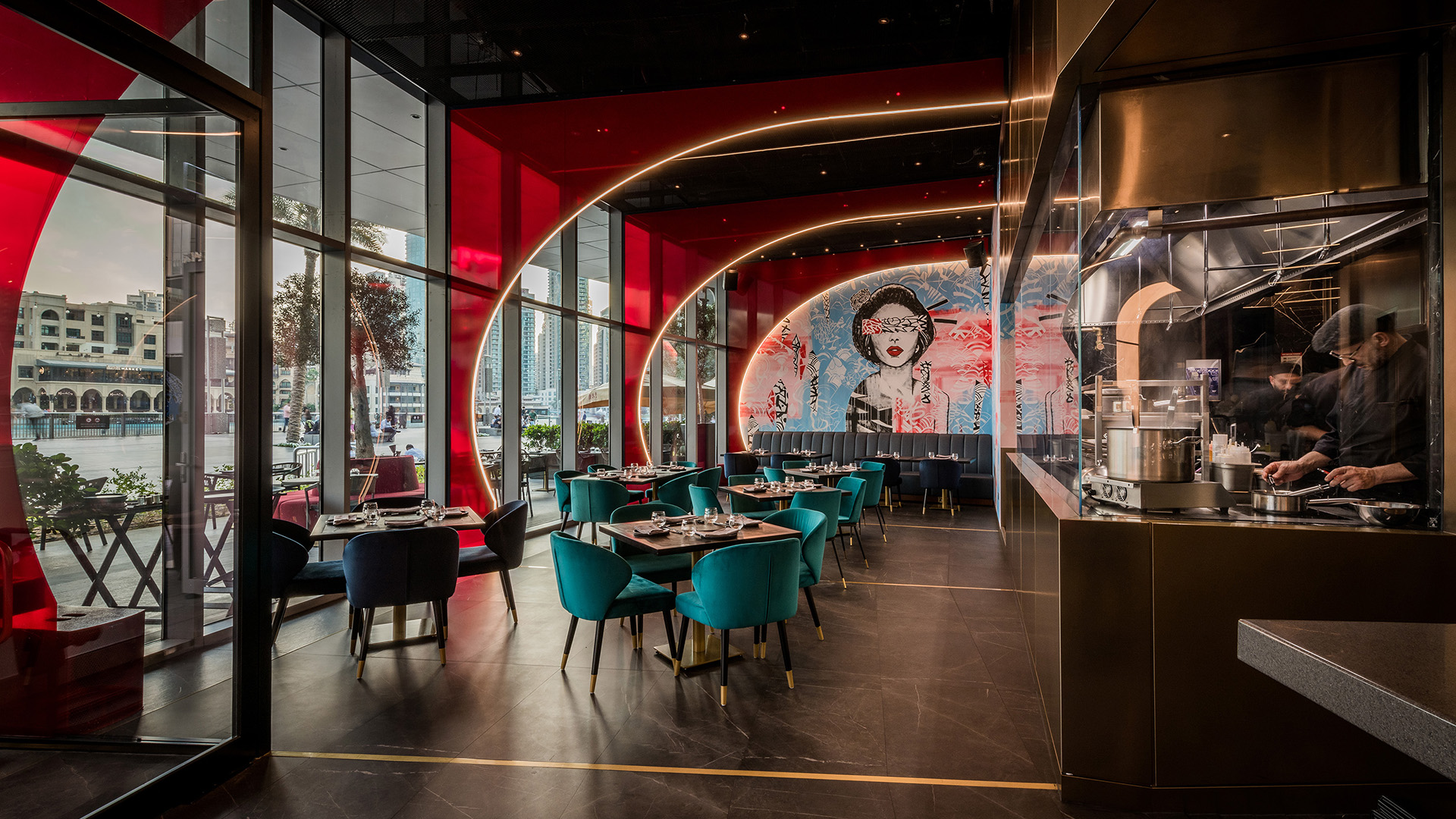
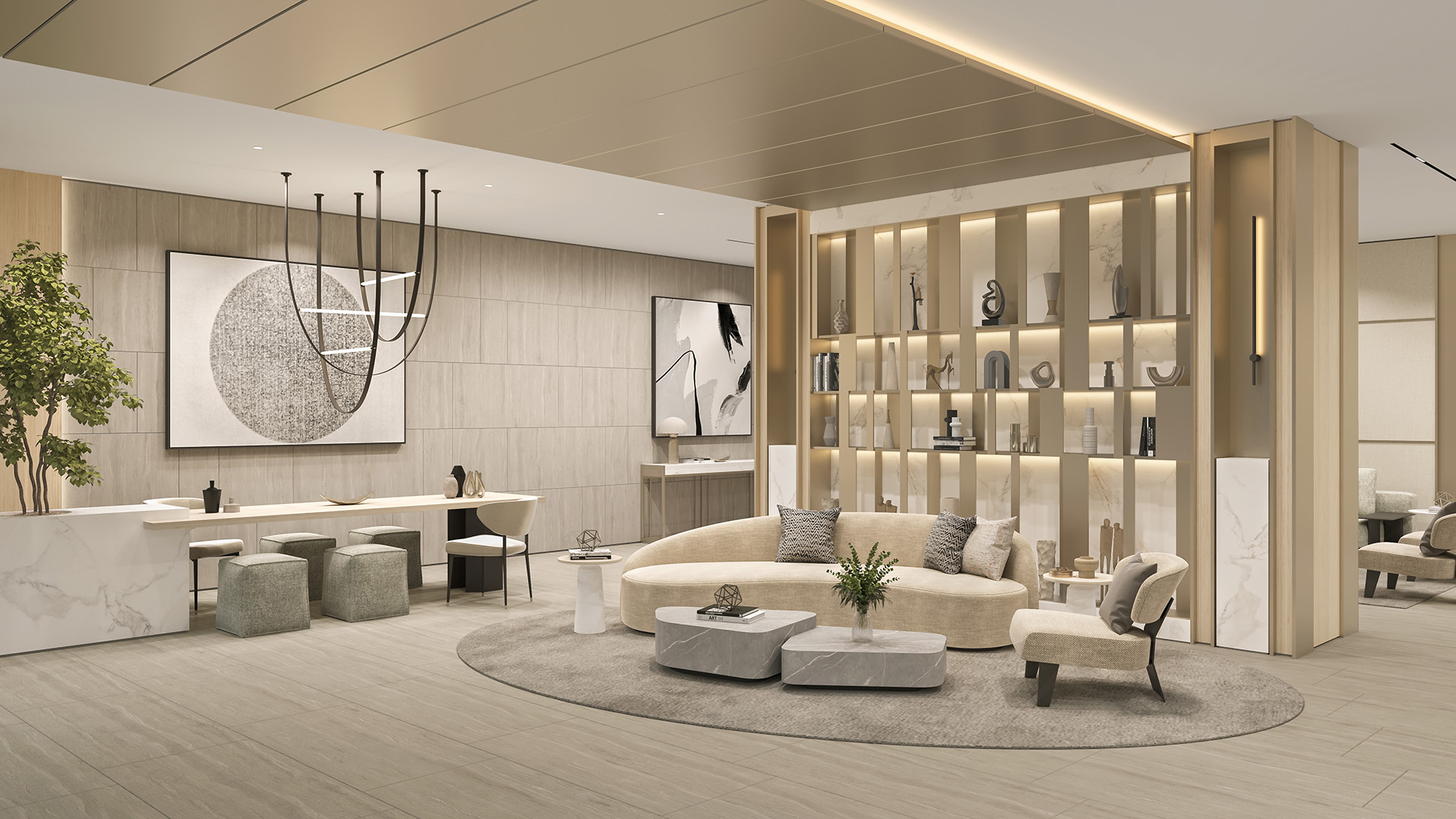
Our team specialises in designing beautiful, inspiring spaces for clients, so why should our own work environment be any less inspiring? A positive creative culture does not just mean access to top-notch design tools and materials; it is about creating a space, physically and mentally, that allows ideas to flourish. People need freedom to think outside the box, and to do that, they need an environment that feels vibrant, open, and flexible. For our team, this means spaces filled with natural light and an open-plan layout with room to collaborate with the rest of the team.
In short, a healthy work culture creates room for creativity. It encourages team members to take a step back, assess their surroundings, and nurture ideas in an environment that inspires them. After all, it is hard to create beautiful, unique spaces for others if we are confined to a drab, uninspiring space ourselves.
Collaboration is a Must
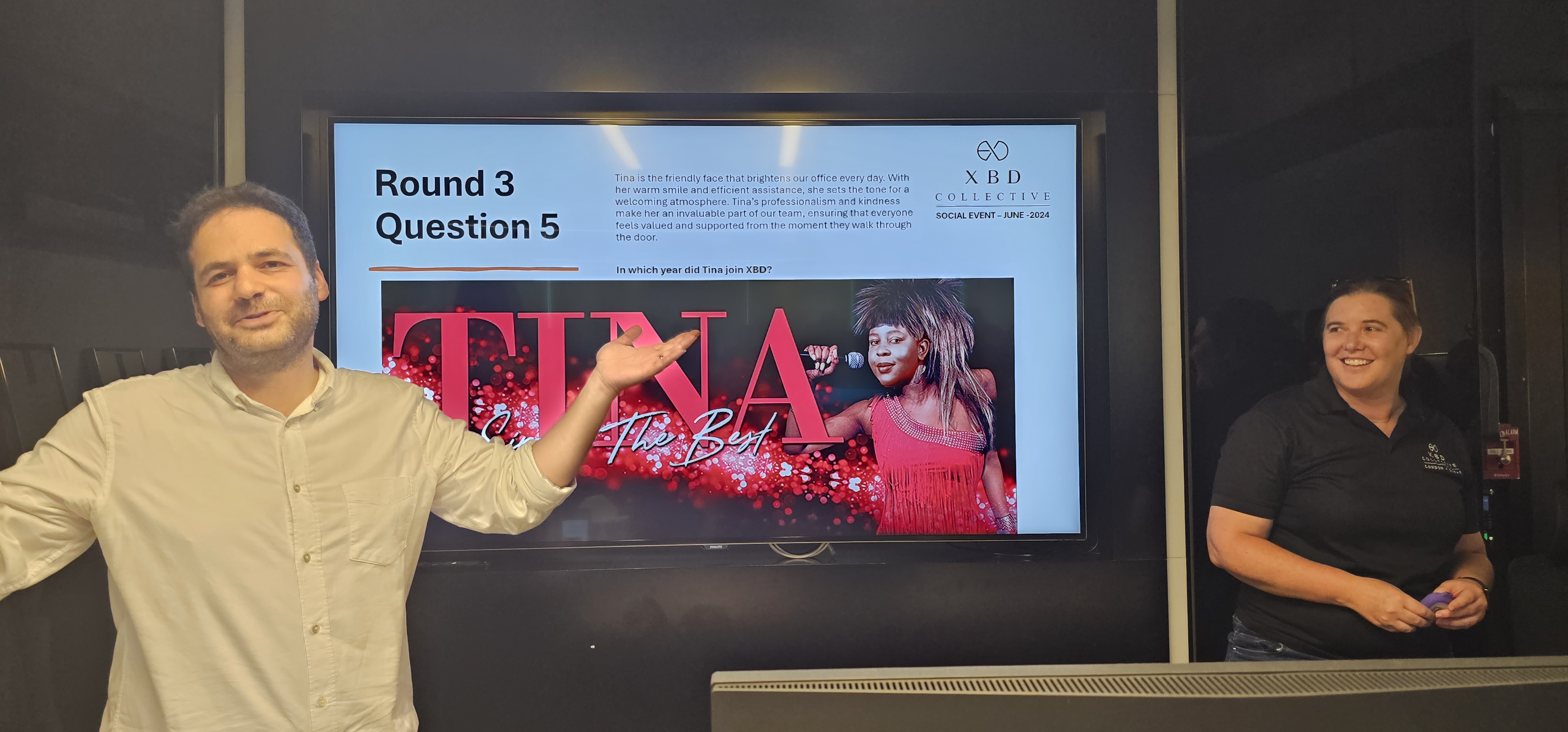
In the world of design, no one works in a vacuum. As architects, interior designers, project managers, and every role in between, when we collaborate, we create magic. A work culture that encourages open communication, transparency, and mutual respect can lead to those incredible “wow, we actually did that?!” moments.
But let us not forget: collaboration in creative industries often involves critiques, and sometimes, that means delivering tough feedback. A positive work culture is one where feedback is given constructively and received with openness. When everyone feels comfortable sharing their honest opinions and when we view critique as an opportunity to improve, we produce work that reflects the collective strengths of our team.
Burnout is Not a Design Aesthetic
Here is the thing about burnout: it kills creativity. And in an industry where our work is fuelled by imagination and innovation, that is a risk we cannot afford to take. When people are exhausted, their creative spark dims. Encouraging a work culture that prioritises balance is essential.
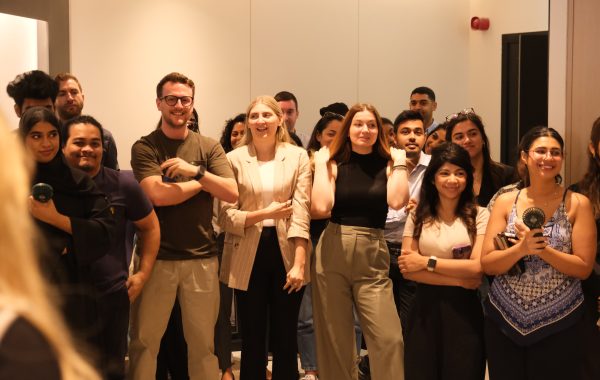
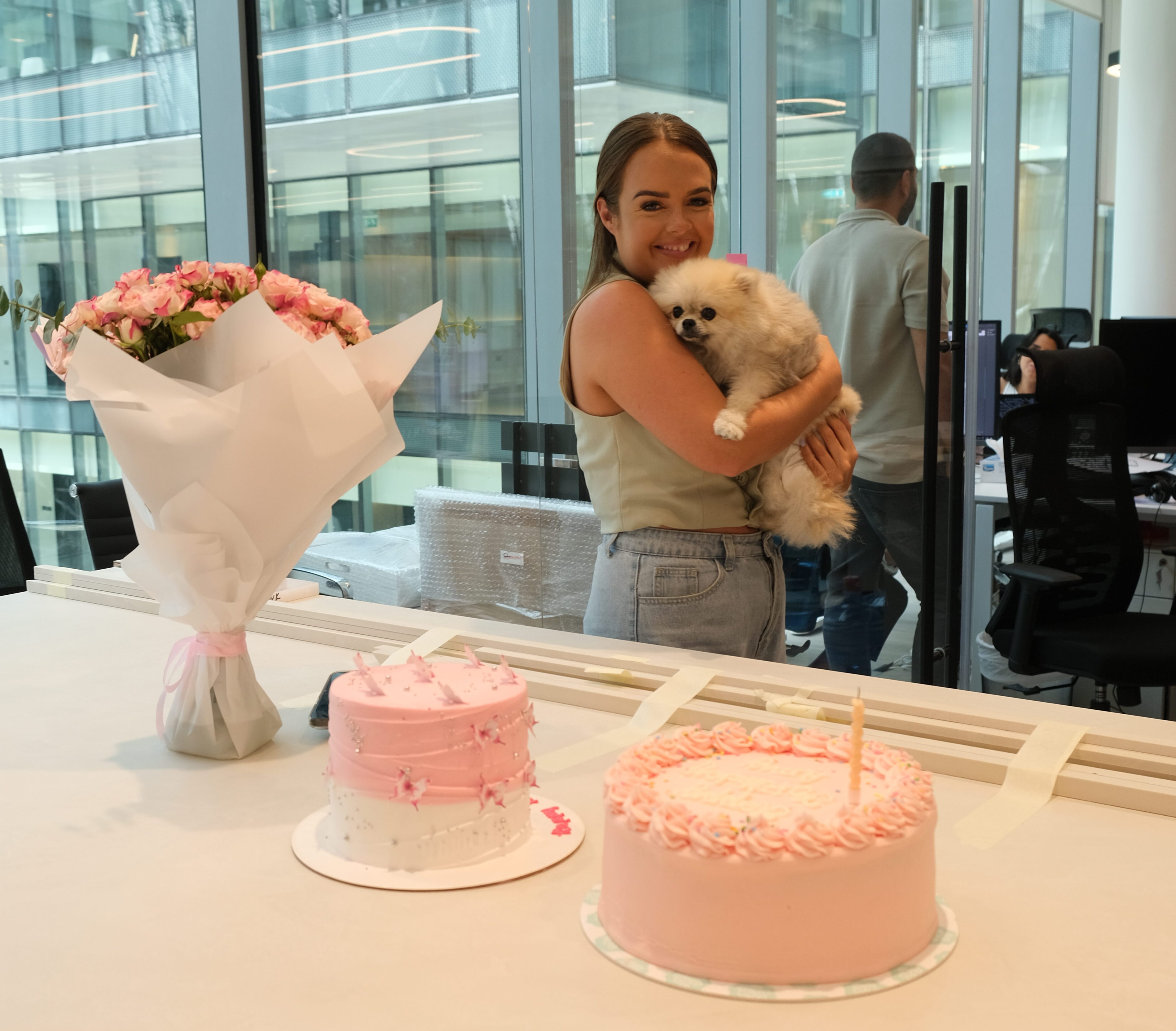
This is not just about regular breaks or reasonable hours. office. It is about making sure that our work culture includes moments of lightness, whether that is a spontaneous coffee run, meme-sharing sessions, or chatting about our current Netflix binge. It is important to remind ourselves that life exists outside of our current projects and responsibilities.
Sometimes, the best ideas emerge when we are away from the computer screen, letting our minds unwind and reset. A team that understands the importance of rest and laughter is a team that comes back to the drawing board recharged and ready to create.
Fun is Productive, Seriously
There is a long-standing myth that “fun” and “productivity” are mortal enemies, but in creative industries, nothing could be further from the truth. Those light-hearted brainstorming sessions where jokes are flying and ideas are bouncing? Those are often the breeding grounds for innovation.
Creating a culture that celebrates humour, curiosity, and even a bit of silliness can make a massive difference in how team members feel about their work. A team that can share a laugh together is more likely to come up with the out-of-the-box ideas our clients adore. Plus, let’s be honest: who would not want to work somewhere with a few great inside jokes?
Feedback, The Good, the Bad, and the “Could You Clarify This?”
Feedback is essential for growth, and it is one of the most valuable gifts we can give and receive in the workplace. However, not all feedback arrives wrapped in a sparkly bow. In a strong work culture, feedback is not a surprise attack or something to dread; it is an ongoing, everyday process that helps us improve, refine, and elevate our work.
Constructive feedback is the backbone of quality control, ensuring that our designs are not just trendy but also timeless. At XBD Collective, feedback from both clients and colleagues is encouraged, not avoided. Whether it is a quick comment from the colleague next door or an in-depth review from a client, feedback gives us the opportunity to see our work from new perspectives, ultimately making our projects stronger.

At the end of the day, work culture is the foundation of everything we do. It is the canvas for creativity, the structure for collaboration, and let’s face it, the reason we do not lose our minds when a project needs its fifth revision.
A positive work culture does not just make the office a pleasant place to be; it is a strategic advantage that drives our success as a team. So, as your HR Manager (and yes, your unofficial team cheerleader), I am here to remind you that work culture is not just a “nice-to-have.” It is essential. When we invest in building a work culture that prioritises balance, openness, and fun, we are not just creating beautiful spaces for our clients; we are crafting an environment where we love to work. And trust me, that is the real masterpiece.