


Navigating Interior Design Trends with Care
How Designers Add Value with Innovation and Creativity

Georgina Musa, Senior Interior Designer
The world of interior design is constantly evolving, with new trends emerging at a rapid pace. As designers, we are always at the forefront of these changes, seeking to innovate and integrate fresh ideas into our work. However, this fast-paced evolution requires careful consideration. Not every trend suits every project, and our role is to filter what aligns with the vision, purpose, and lifestyle of our clients.
Trends develop quickly, with new elements often rising to popularity in a matter of months. But as appealing as they may be, designers must ask themselves an essential question: does this look suit the design? Should we incorporate it, or is it a fleeting trend that doesn’t align with the client's needs?
Trends Aren't Universal – They're Personal
There is no such thing as a design that is completely "out of trend" because trends are subjective and influenced by multiple factors, including geography, tradition, and individual taste. This is why custom design, tailored to the unique preferences and traditions of the end user, is so important in our work. Before we decide to implement a trendy element, we must reflect on whether it truly fits the client's environment. Trends should enhance, not overwhelm, the personalised nature of the space.
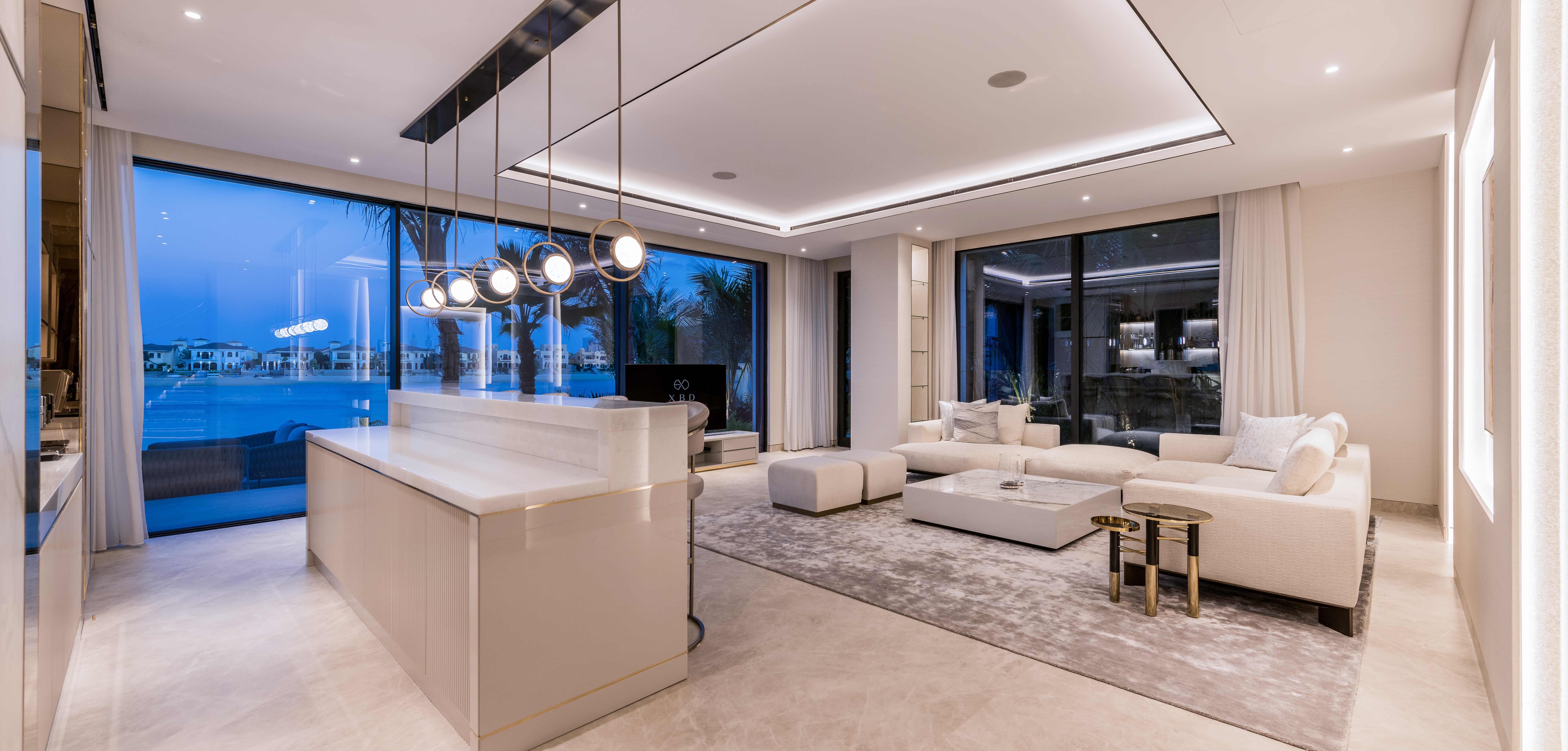
Consideration of Functionality and Longevity
Another key point to consider is how functional and long-lasting a trend will be. What may be visually appealing now may not have the durability or practicality needed in the long term. Clients’ needs evolve over time, and a trend that works today may not fit their lifestyle a few years from now. Designers must, therefore, assess whether a trendy element is just a passing phase or something that will stand the test of time, both aesthetically and functionally.
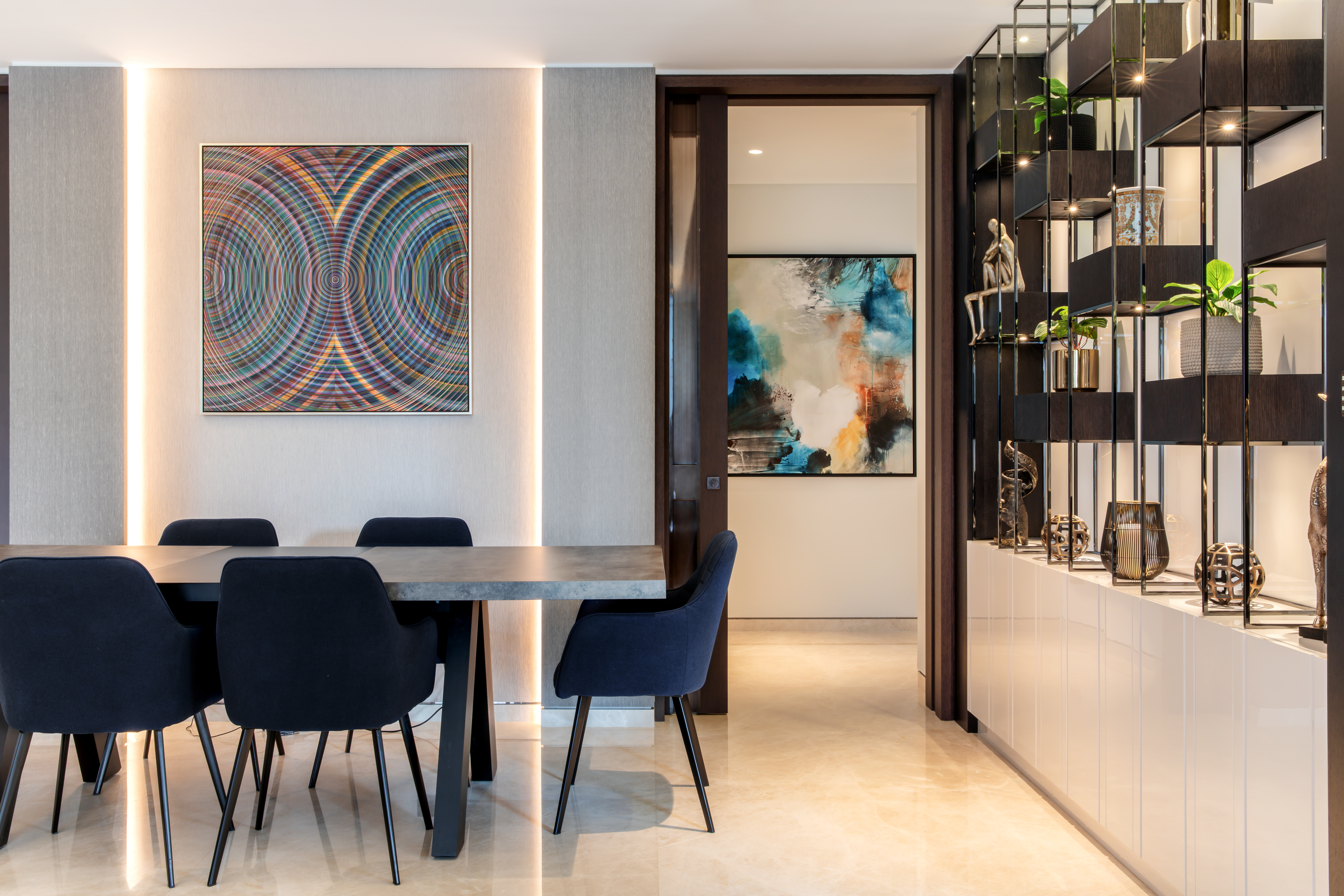
For example, open shelving has been a popular trend, but for a busy household, it might not be the most practical solution. Designers need to consider the lifestyle of the clients, ensuring that trends don’t sacrifice functionality for style. Similarly, certain materials or finishes might be trending, but their maintenance requirements or longevity in high-traffic areas must be considered carefully.
The Client-Centred Approach
At the heart of every design lies the client. Most of our work, especially in residential projects, revolves around creating personalised spaces that not only look good but also enhance the lives of those who inhabit them. This means we must always consider whether a trend fits into the broader picture of the client's lifestyle, beliefs, and traditions. Designing for a family with strong cultural roots might mean that incorporating traditional design elements is more suitable than pushing the latest minimalist trend. Similarly, an open-plan layout might be a popular trend in one part of the world, but in another, a more closed-off and compartmentalised space could be what’s culturally preferred.
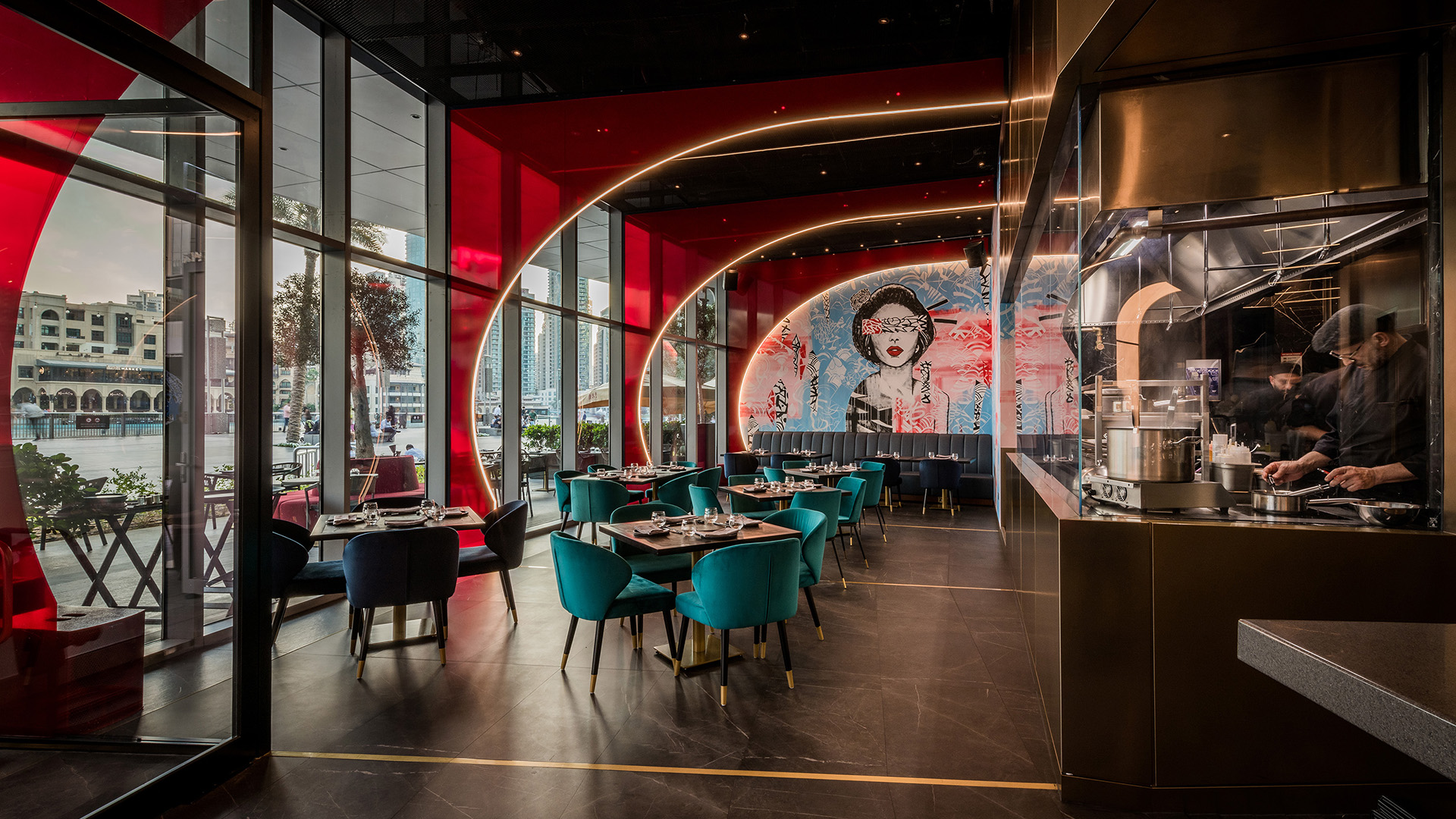
For instance, in some regions, contemporary styles are the height of luxury, while in others, classic or neoclassic designs dominate the market. Similarly, a minimalist aesthetic may be on-trend globally, but in specific areas, it may not align with the local perception of what constitutes luxury or comfort.
Cultural Sensitivity and Regional Trends
Understanding cultural context is another vital component of design. What’s considered stylish or trendy in one region may be completely different in another. Design preferences are shaped by cultural traditions, and as designers, we need to be sensitive to those differences. A bold, modern design might not resonate with a client whose cultural background values more conservative or traditional aesthetics.
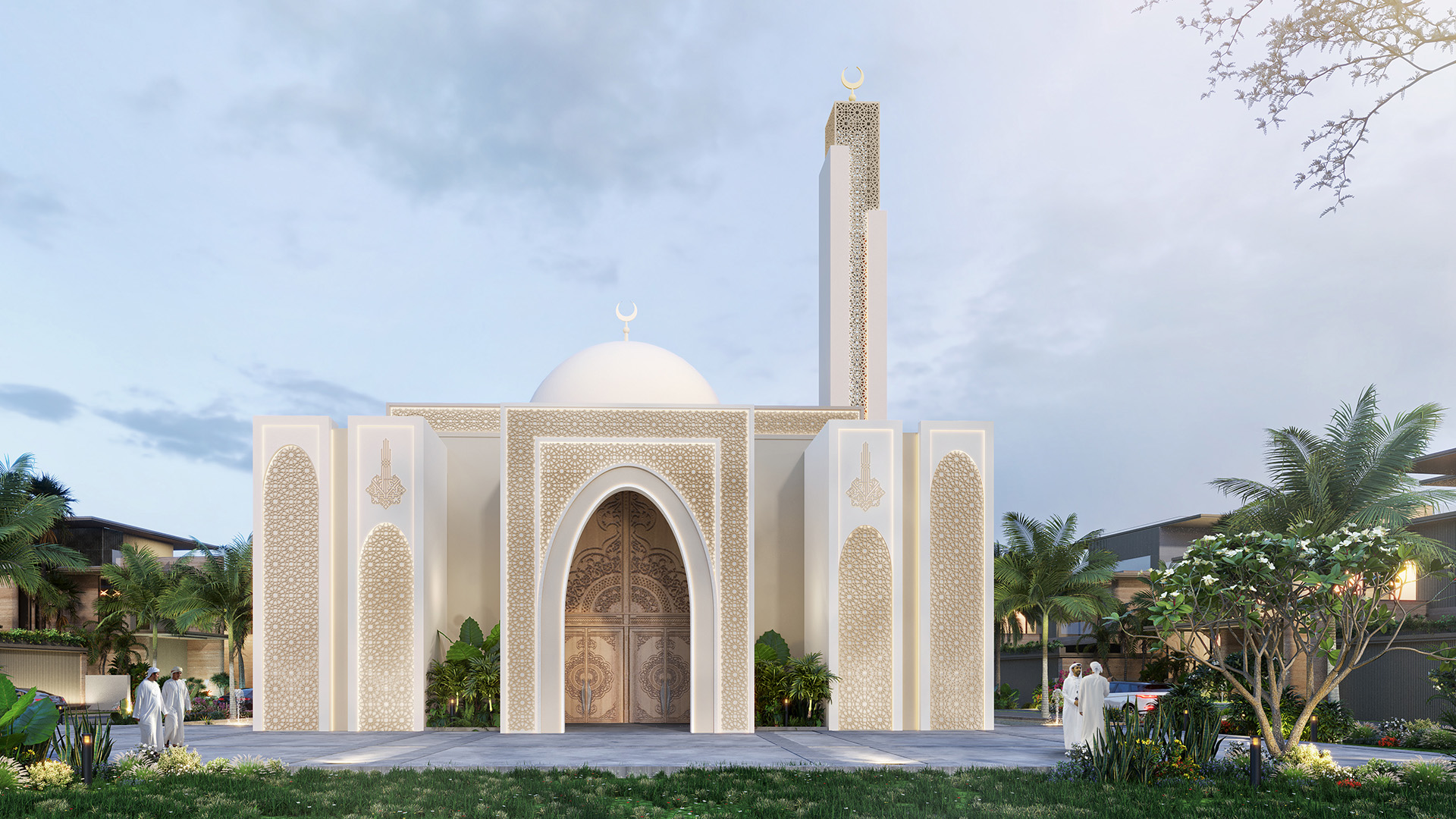
In some Middle Eastern countries, large, closed-off spaces and ornate, intricate designs are preferred for privacy and tradition. In contrast, Scandinavian countries tend to embrace minimalism and open-plan living, prioritizing functionality and natural light.

Eco-Friendly and Sustainable Trends
One of the biggest trends in design today is the shift towards sustainability and eco-friendly materials. This is one trend that is here to stay, as more and more clients are becoming environmentally conscious. However, even with this rising demand, it’s important to match sustainable design choices with the clients' needs and values. Not all clients may prioritize eco-friendly elements, and it’s our role as designers to educate them on the benefits while ensuring it aligns with their lifestyle and budget.
A client might be interested in using reclaimed wood or recycled materials, but the overall aesthetic of the design must still appeal to their sense of style. Energy-efficient lighting or green building technologies may be trending, but not every client may have the resources or desire to fully integrate these elements into their home.
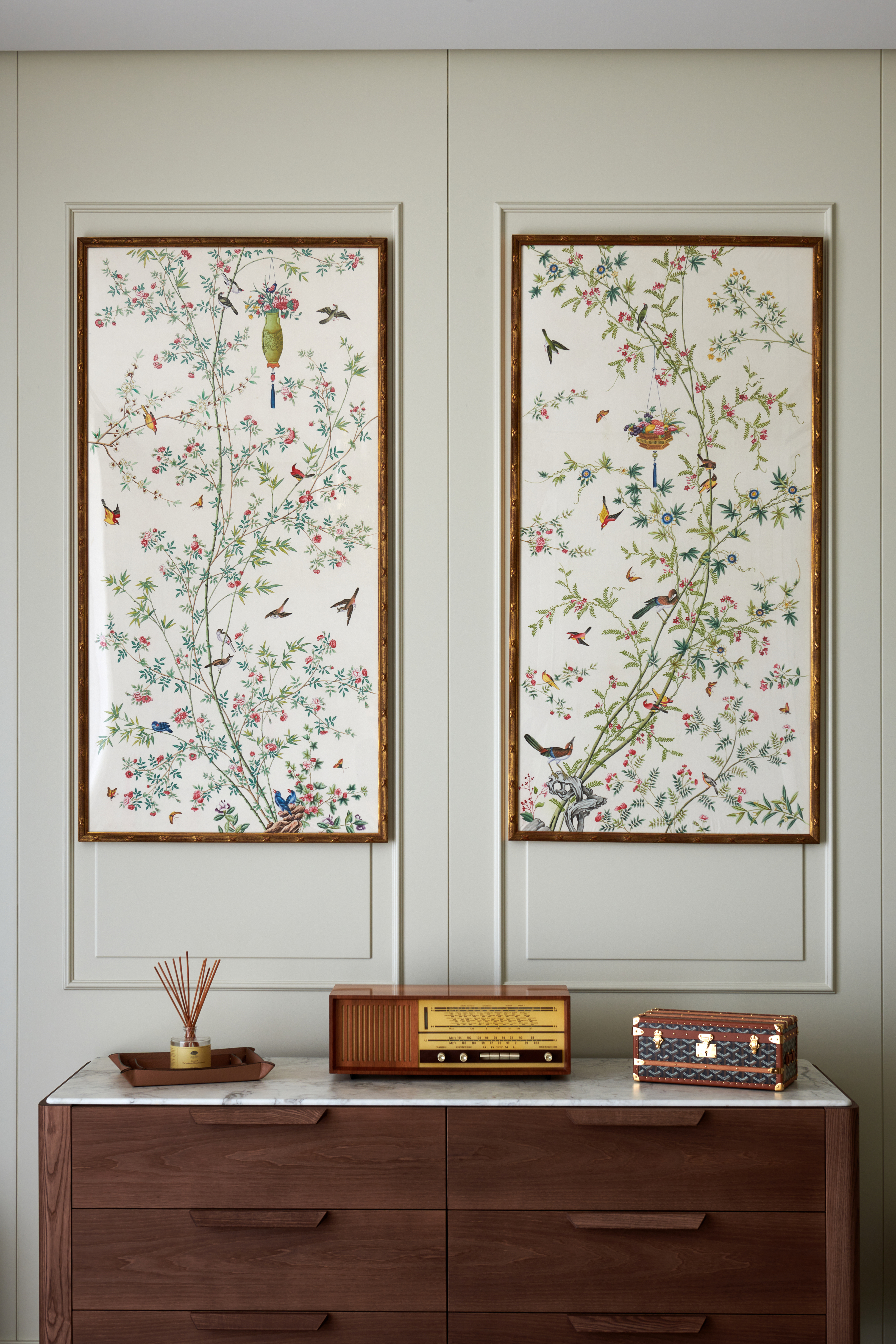
The Balance Between Innovation and Practicality
Of course, this doesn’t mean that as designers we should ignore innovation. On the contrary, staying up to date with the latest trends and technologies is a key part of what makes us successful. Our job is to adopt and transform these ideas in ways that are purposeful and suited to the client’s vision.
The challenge lies in finding the right balance. It's not just about following what’s popular—it's about thoughtfully selecting trends and applying them to the spaces we create with care, understanding, and creativity.
Adapting Trends to a Timeless Design
One final consideration is how to create designs that are timeless, while still incorporating trends. Trends are important to keep designs fresh, but too much reliance on them can date a space quickly. Instead, trends can be used as accents or layers within a broader, timeless design framework.
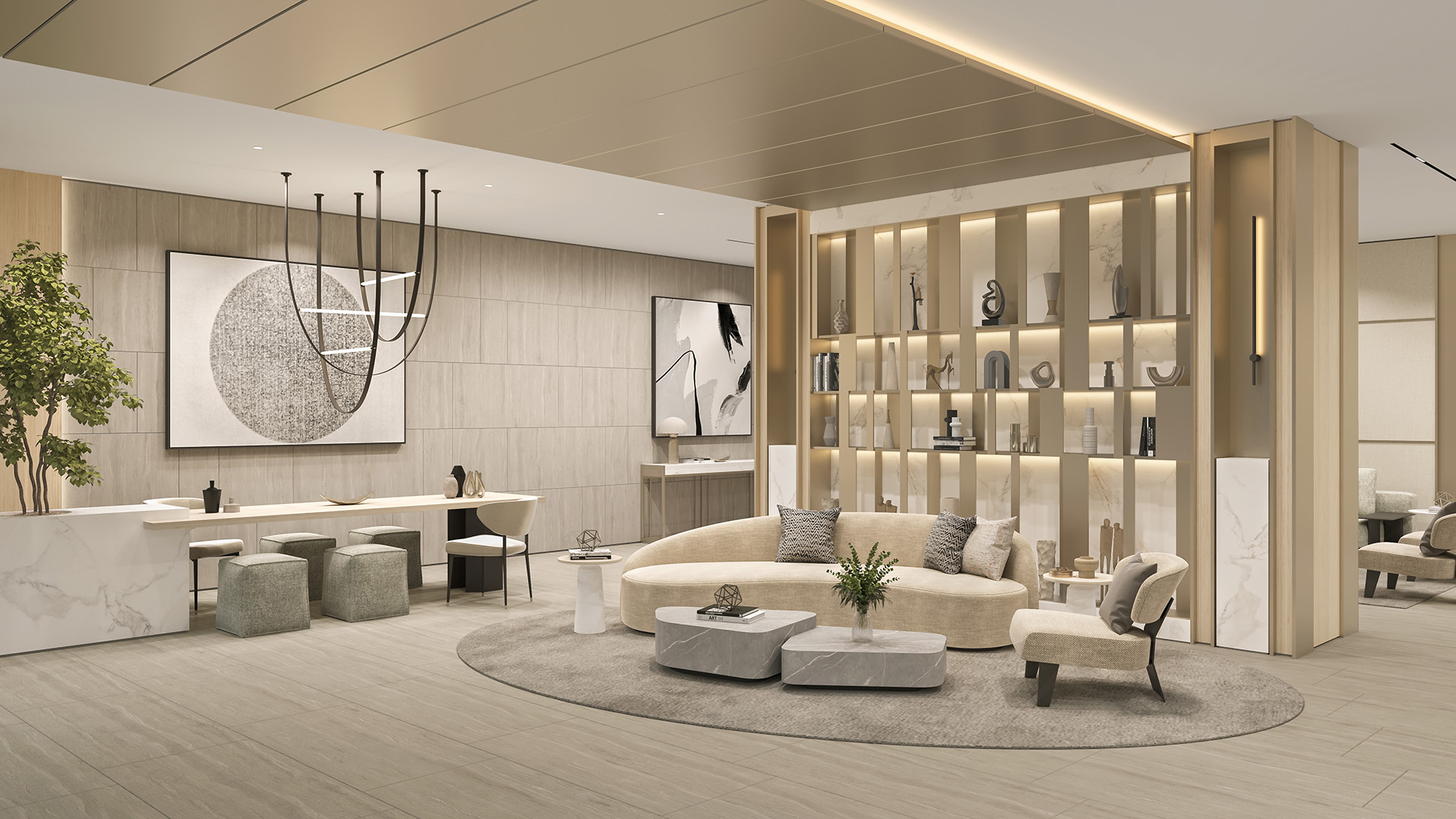
Using neutral or classic base elements allows for flexibility in adding trendy colours, textures, or patterns that can easily be swapped out as styles evolve. Another approach is to integrate trends in smaller, non-permanent design choices—like textiles, light fixtures, or decor—that can be updated without overhauling the entire design.
As designers, we need to find the balance between innovation and timelessness, ensuring that we create spaces that are not only beautiful and on-trend but also deeply personal and functional for the end user.
In conclusion, while trends will continue to shape the world of design, our role is to approach them with discernment. It’s about making informed choices, ensuring that these trends enhance our clients’ unique needs and preferences, rather than simply chasing the next big thing.